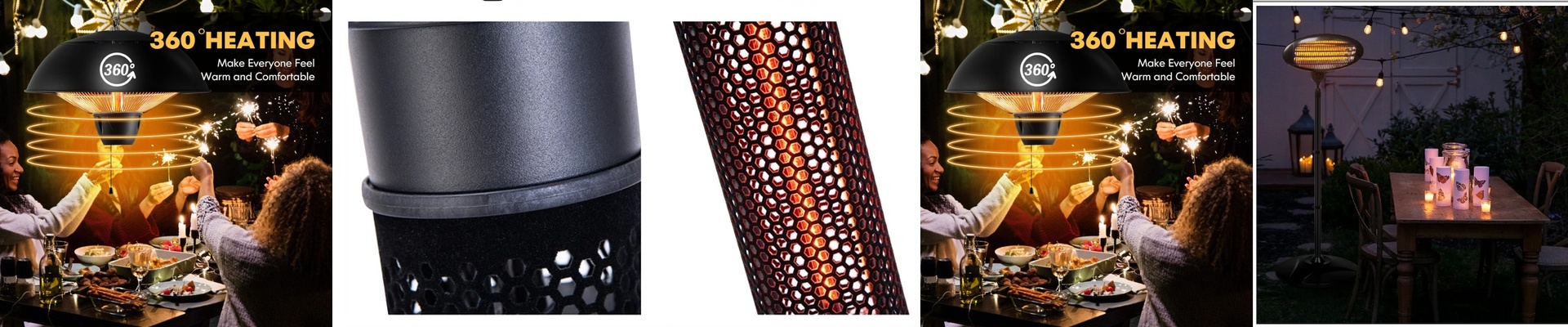
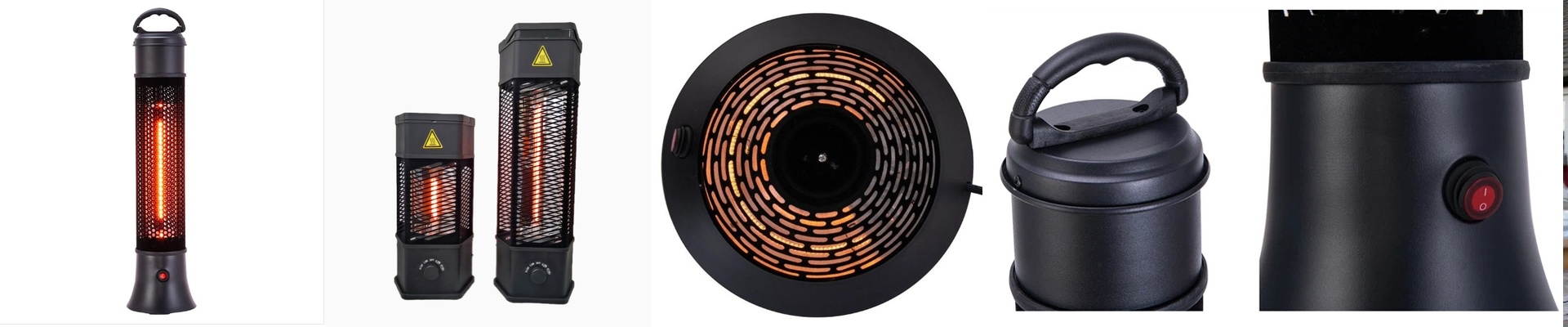
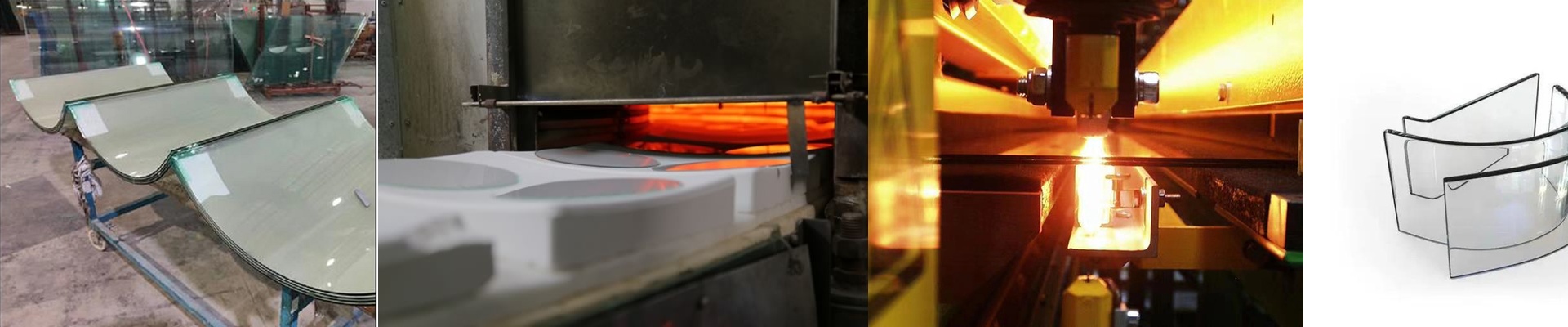
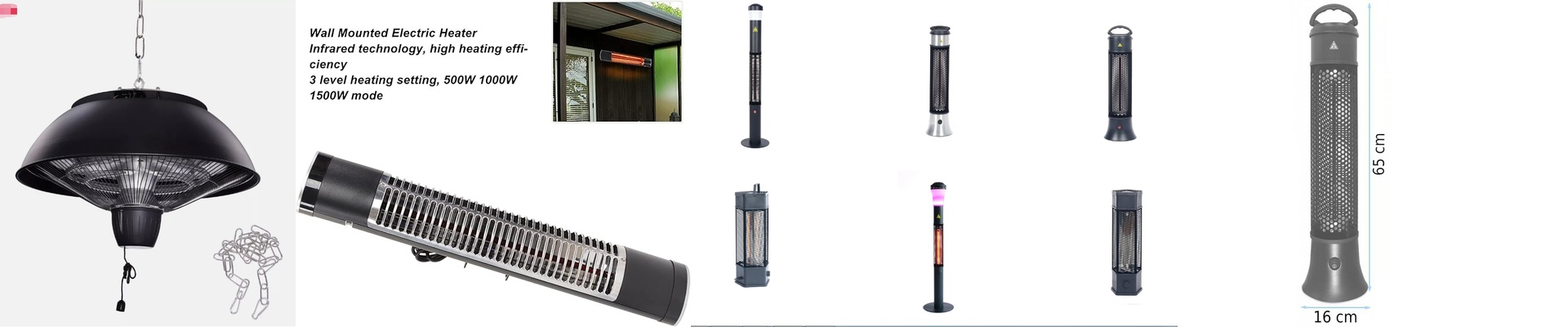
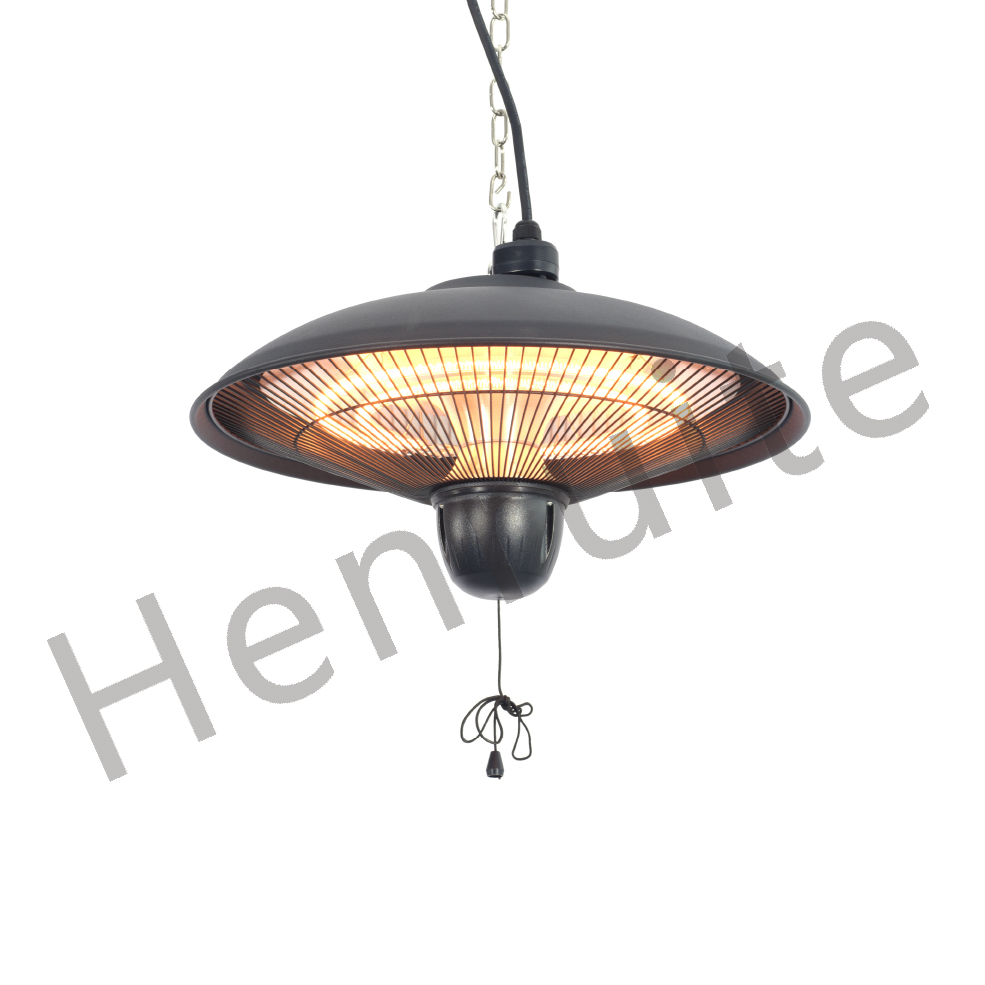
When the temperature takes a dive, greenhouses can’t afford to wait around. One cold snap can stall growth, take out seedlings, and erase months of work. That’s exactly why we built our CE-certified infrared heaters—the kind global chains specify for their facilities.
What matters, technically
At the heart is medium-wave infrared technology. It throws instant, targeted warmth that heats plants, soil, and benches directly—not just the air. The result is consistent, gentle heat that feels more like the sun, and it avoids the drafts and bone-dry air you get with forced-air systems.
We pair that with a tough quartz tube and a carbon fiber element, both built to live in the high-cycle environment of commercial greenhouses. The unit runs on standard voltages, plugs into existing controls without a fight, and carries full CE marking for compliance.
Why this works in a greenhouse
Greenhouses need heat that responds quickly and spreads evenly. Infrared warmth reaches into the plant canopy and helps keep root-zone temperatures steady—supporting faster cycles and stronger yields.
Because it’s radiant heat, you don’t lose all your warmth every time a door opens or ventilation kicks on. You get predictable performance, lower energy use, and fewer temperature swings that stress plants. For multinational teams, the global standard means installation, training, and maintenance stay consistent across regions—one spec, one level of reliability.
The practical details
For best results, position heaters to cover plant zones evenly and avoid aiming prolonged direct heat at one spot. Infrared heating is efficient, but ambient humidity and airflow can shift how heat distributes, so a simple thermostat and smart placement make a real difference.
Installation is straightforward, but always confirm local voltage and mounting requirements before you lock in the layout.