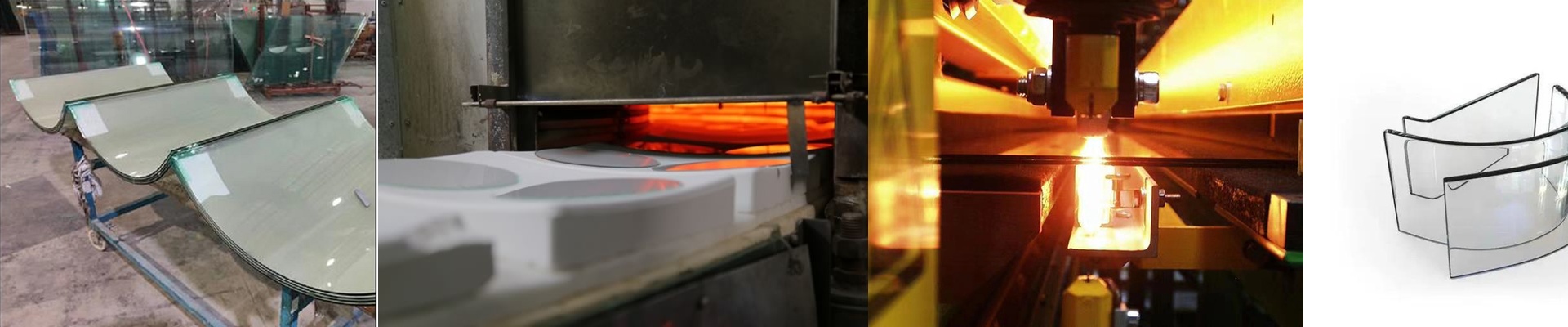
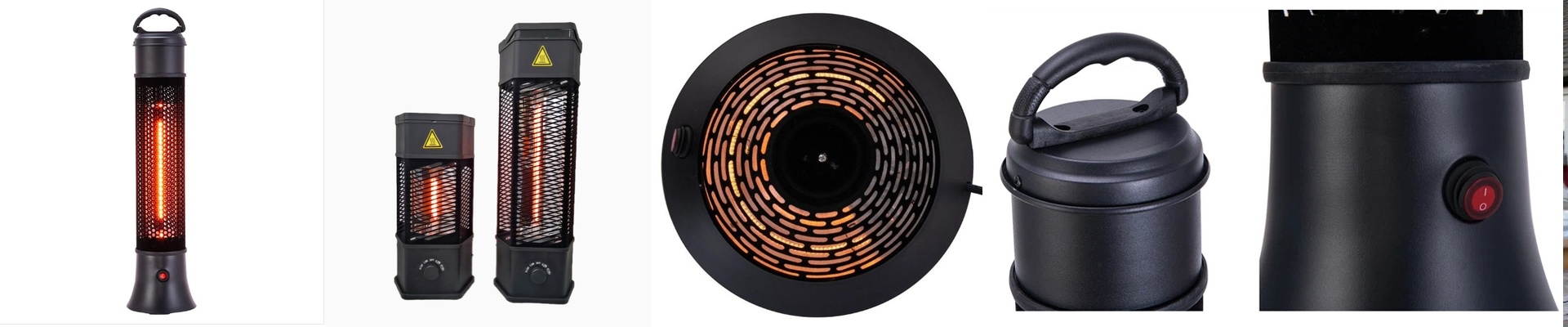
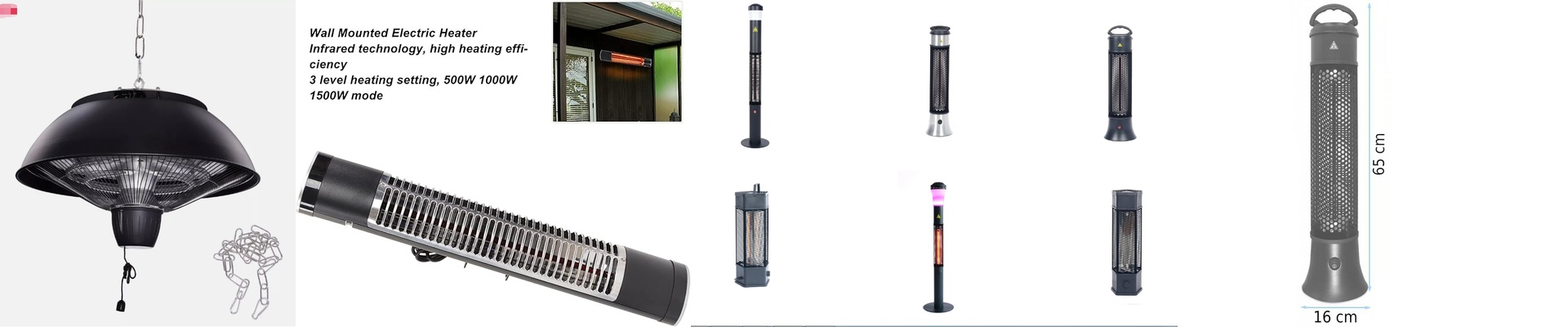

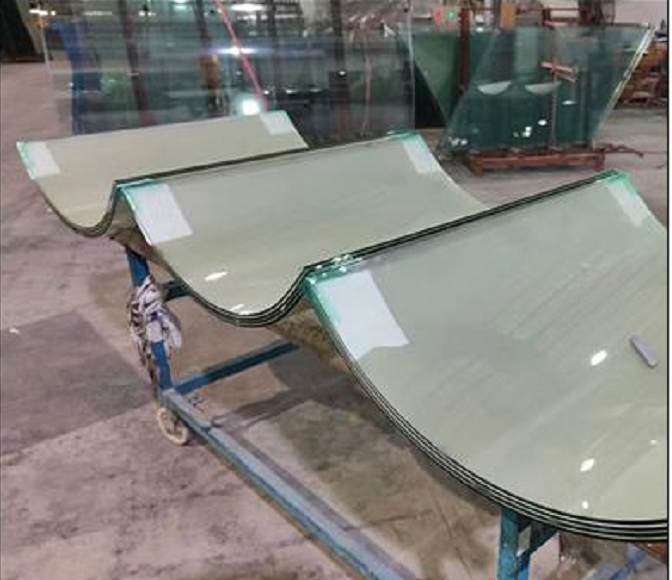
On the glass line, heat isn’t a background detail. It is the detail. A tempering furnace that misses its soak, a lamination press that drifts off profile, a coating oven that fights its own convection — any of those will punch a hole in yield, push you into rework, and slip the schedule. We built our certified industrial heaters for glass work because production pressure doesn’t forgive unstable heat. What we focused on, technically We spec the heating around quartz short-wave infrared elements. Fast response, high power density, and not a lot of thermal mass dragging things down. The emitters come in 230–480 V configurations to match plant power, and they’re rated for continuous duty in high-cycle environments. Output is closed-loop regulated, so the thermal field stays consistent across the load. For glass, that means tighter temperature uniformity, less thermal stress, and fewer surprise fractures. Why this approach fits the process In tempering, the heater has to hit setpoint quickly and hold it even. If it doesn’t, quench gives you inconsistent surface compression and you start chasing rejects. In bending, a predictable hot zone keeps the sag profile repeatable. That’s what keeps edge roll-off and optical distortion from creeping in. In lamination, stable top and bottom heat matters. It helps you avoid voids in EVA/SGP/PVB and prevents edge squeeze-out, so you can keep throughput up without bleeding yield. The same heating modules also carry coating drying and insulating glass sealing. In those steps, temperature stability directly affects adhesion, cure, and edge-seal life. Here are the practical things to keep straight These heaters are engineered as drop-in replacements for common OEM footprints, but the details still matter. Mounting tolerances, airflow direction, and control interfaces vary by line. Before installation, confirm duct geometry and thermocouple type. Also verify clearance around the emitters so you don’t create hot spots on nearby components. And expect a bit more inrush current on cold starts. Plan contactors and fusing accordingly.