

Stop Wasting Money Heating the Air in Your Glass Line
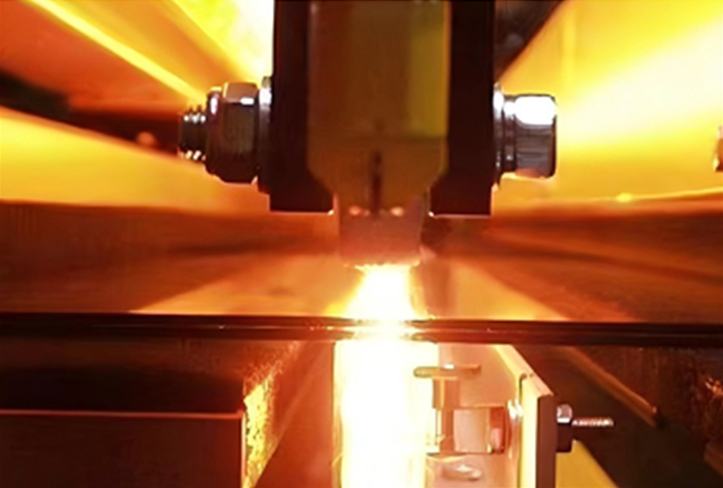
If you’re running a high-gloss finishing line, you already know the biggest headache: the annealing stage. It’s usually where the most energy disappears. Most shops are still using those old-school convection ovens. The problem is they try to heat everything—the air, the walls, the floor—just to get the glass to the right temperature. It’s like trying to warm up a single slice of pizza by heating your entire house to 400 degrees. It’s a waste. We do things differently. We swap those ovens for targeted shortwave infrared (IR) lamps. How it actually works Here’s the thing about shortwave IR: it doesn’t care about the air. It ignores the space around it and shoots energy straight into the glass surface. We use high-density quartz elements that hit the exact frequencies glass absorbs. Instead of paying to heat your factory floor, the heat sinks right into the material. It happens fast. Really fast. And that means your glass spends way less time sitting in the dryer. Getting the heat right To get that perfect gloss and make sure the glass is structurally sound, you need a lot of heat in a small space. We build our lamps to handle the heavy lifting of industrial power grids. By packing more wattage into a shorter tube, we crank up the surface temperature of the emitter. This gets you to your target temperature almost instantly. But a heads-up: this kind of power creates some serious localized heat. If you’re dropping these into an old setup, please check your wiring. Make sure your cooling fans are up to the task, or you’ll end up burning out your connectors. What this does for your wallet The best part is the control. Traditional dryers have this annoying “thermal lag”—they take forever to warm up and even longer to cool down. With IR, you can tweak things on the fly. Line speed picking up? Bump the power. Slowing down for a specific run? Dim it. No more energy bleeding out of the system. You’ll notice it on your power bill, and you’ll probably find you have a lot more room on your shop floor since the drying tunnel doesn’t need to be a mile long.