Introduction
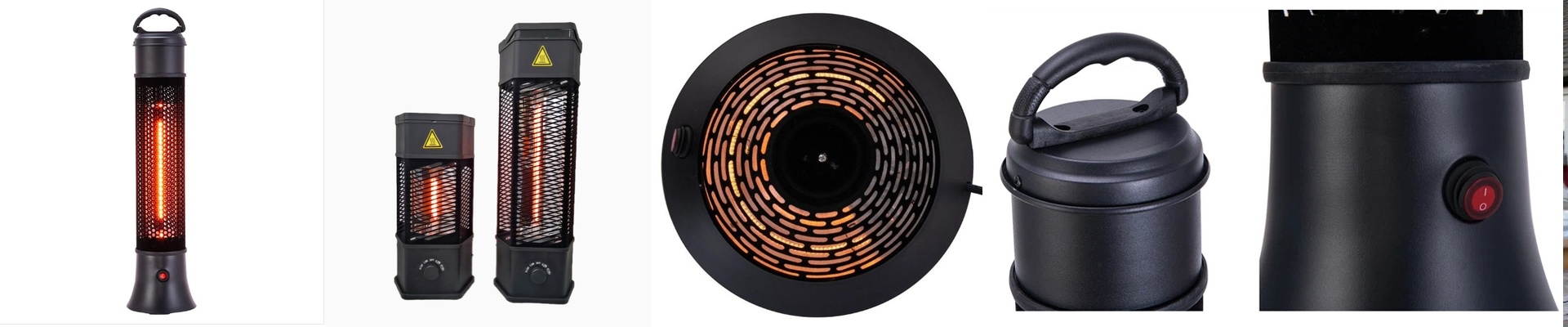
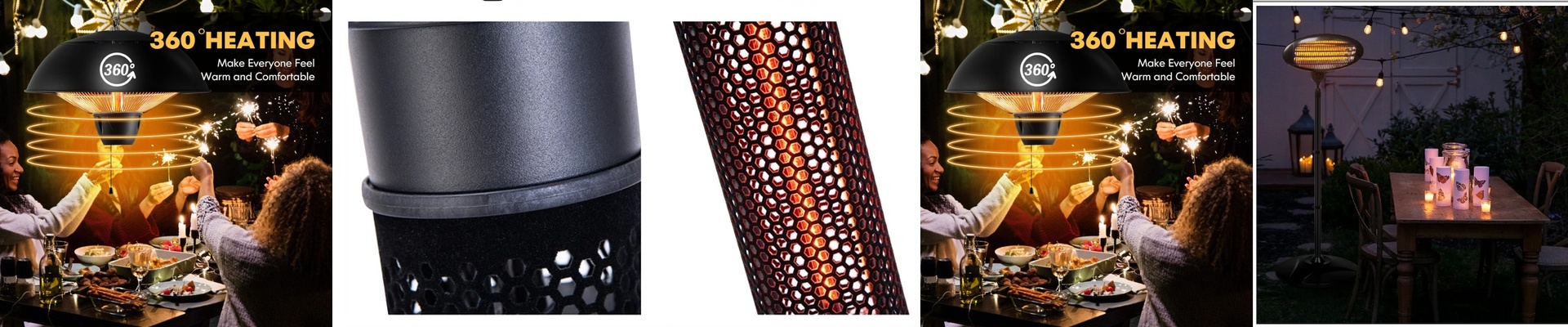
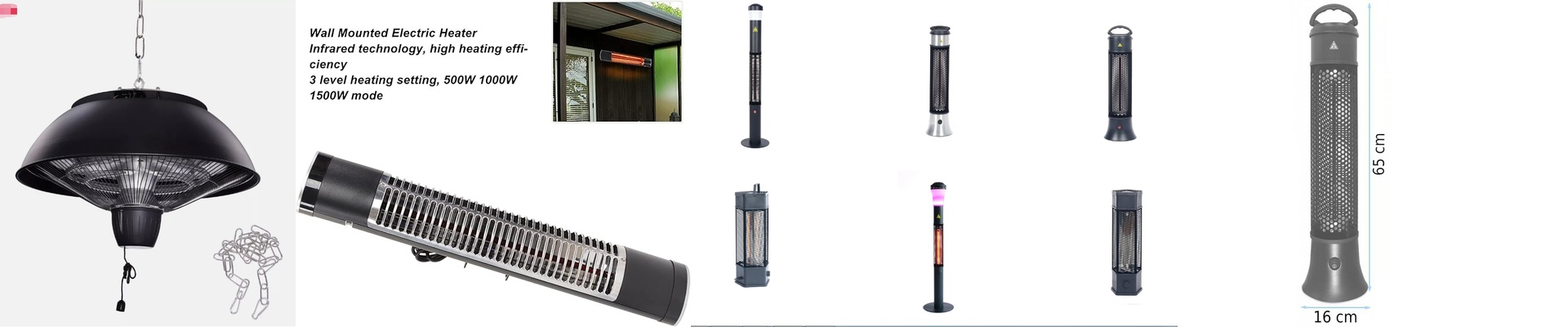
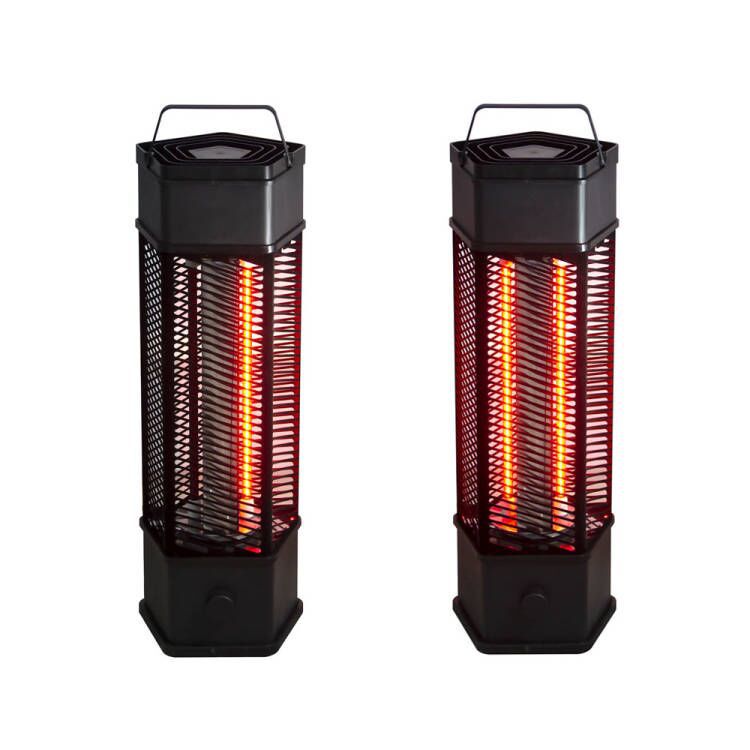
We built a Bluetooth electric heater that works like an infrared halogen lamp. Its whole reason for being? Delivering direct, focused warmth—right where you need it most. Think of it as spot heating for the parts of you that get cold first: hands and feet. It doesn’t warm the air around you. It sends energy straight to the spot that needs it.
The Tech, Without the Fluff
Here’s the magic: infrared halogen lamps throw off heat in the shortwave spectrum. That means the warmth goes straight to your skin and the tissue underneath, skipping the air altogether. The physics are simple. The filament gets seriously hot, and that heat radiates outward. We designed these heaters to pack a lot of power into a small space, so the surface heats up fast. And the Bluetooth? It’s not just a flashy add-on. It’s genuinely useful. You can control the power and set timers from across the room. On a busy shop floor, that’s a big deal. Mount the unit where you want it, then adjust everything without having to move around. Less disruption. Smoother flow.
What It’s Made Of
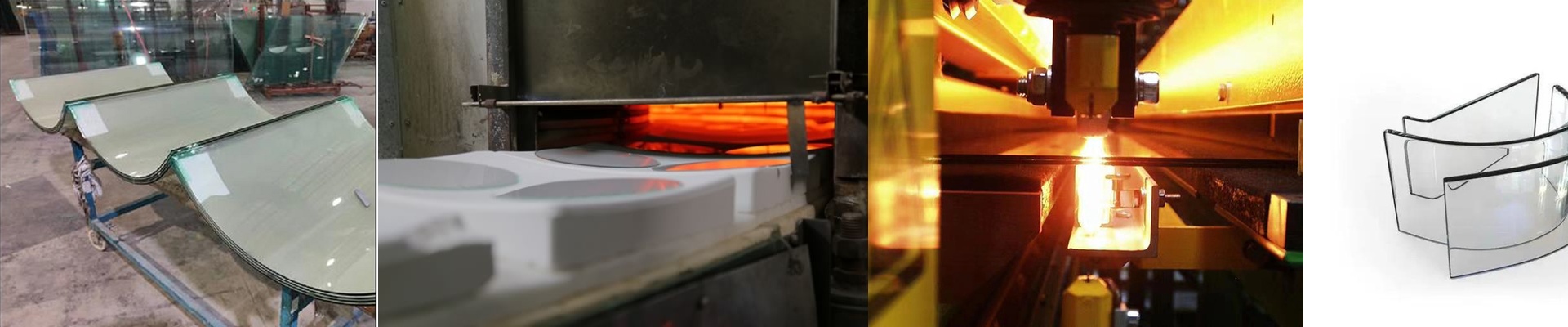
We chose a halogen-filled quartz envelope because it can handle extreme heat and stays clear over time. Inside, a halogen cycle puts evaporated material back onto the filament, which helps the lamp last way longer than a standard bulb. For the connection, we went with an R7s connector. It’s the practical choice for this kind of tube lamp. It gives you solid, two-point contact and can handle the way the quartz tube expands and contracts with temperature without ever coming loose. The coating and reflector are all about focus. They aim the infrared energy forward, so you waste less heat and keep the warmth steady on the target area.
What It Feels Like to Use
If your hands and feet are always cold, this is for you. The radiant heat warms the tissue, which opens up those tiny capillaries and gets the blood moving better. The feeling is immediate—less of that deep, bone-chilling cold, especially in places where just raising the room temperature never seems to work. It’s straightforward to wire and easy to fit into your setup. But keep this in mind: the output is strong. You’ll want to pay attention to clearances and make sure the surrounding area can handle the extra heat without causing trouble for nearby components.