

Why We Put Our Heaters Through the Wringer
We make tower heaters for bathrooms, and we know exactly what they go through. It’s a tough environment. Steamy, damp, and the temperature swings wildly from hot to cold, over and over. So before a single heater leaves our shop, we put it through the ultimate stress test. We run it hot and wet, day after day, to simulate months of use in just a few days. This isn’t just a box we check. It’s how we know, for sure, that the guts of the unit can take the pressure. We want to find any weak spots long before your customer even unpacks the thing.
The Power Behind the Heat
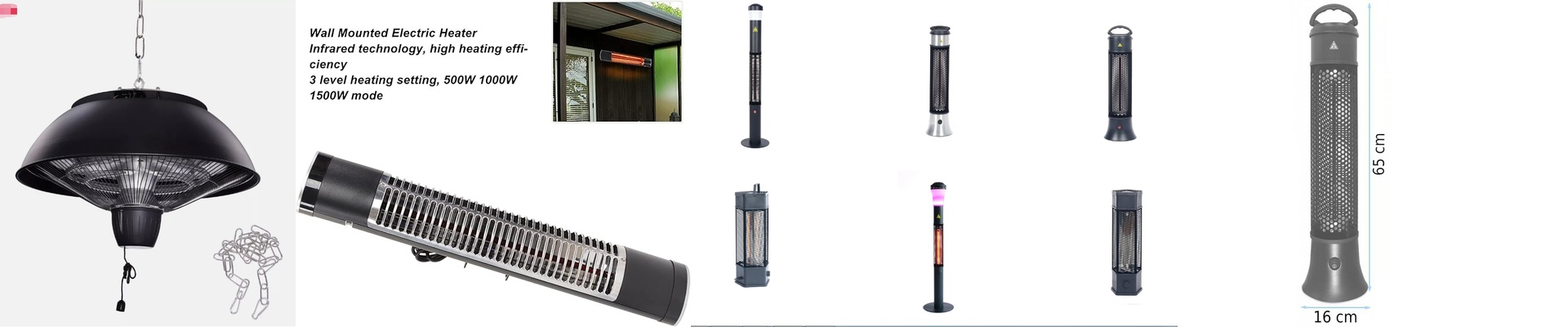
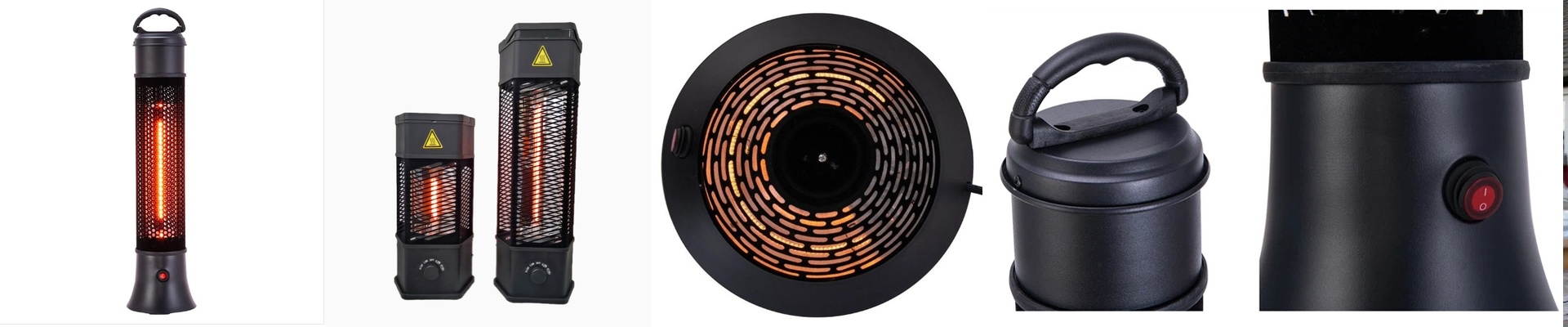
Here’s the thing about our design: we pack a lot of power into a small space. We carefully balance the wattage and voltage to deliver a focused blast of infrared heat that warms you up fast, without tripping the circuit. The whole unit is slim and built to squeeze into tight corners. But that compact size means the internal thermal management system has to work as hard as the heating element itself. You get serious heat in a small footprint, but it’s crucial to give it the breathing room it needs.
The Heart of the Matter: What It’s Made Of
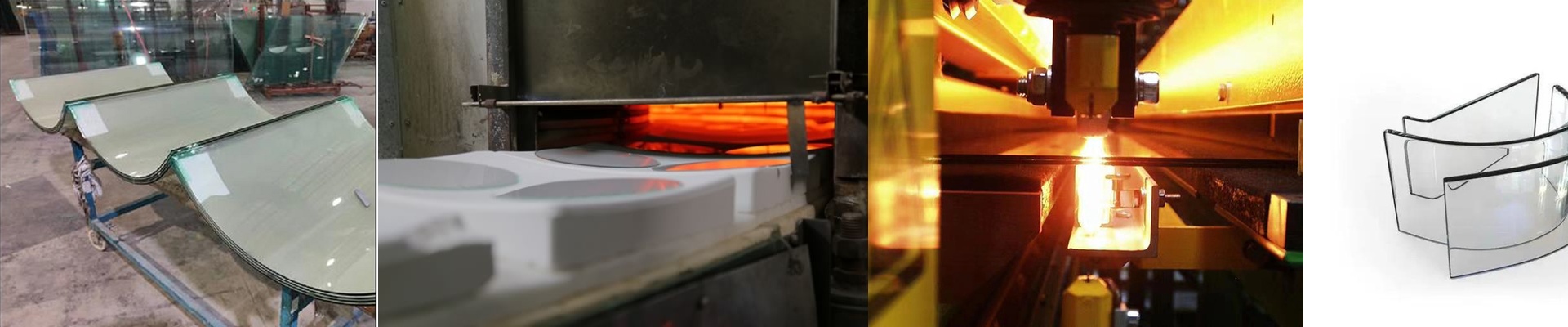
The heating element is a halogen-filled quartz tube. Quartz is the real hero here—it can handle the shock of heating up and cooling down over and over, way better than regular glass. The halogen keeps the heat output steady and strong for the life of the lamp. And the R7s connector? We chose it for a reason. It’s a solid, high-temp connection that’s easy to wire and holds tight. It won’t loosen or spark. It’s built to take the heat and the vibration without breaking a sweat.
Built for the Bathroom. Period.
In a bathroom, a heater can’t afford to fail. It’s not just an inconvenience; it’s a safety issue. That’s why our aging test puts the seals, the connector, and the element itself through hell. We’re looking for the weak links. The payoff is a heater that can survive the bathroom and just keep going, delivering steady, predictable warmth. For you, that means fewer headaches, fewer service calls, and a product you can trust to do its job, every single time.