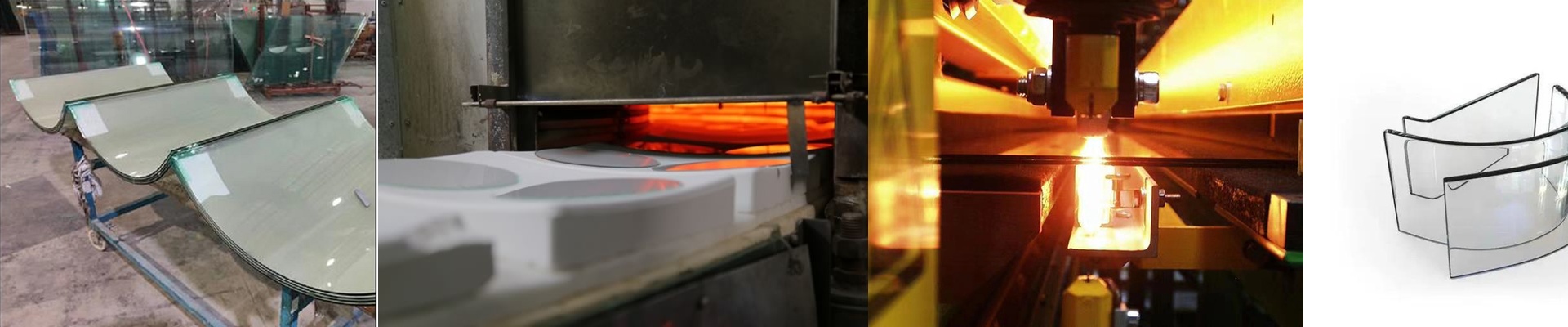

On the finishing line, heat isn’t just a setting. It’s the line between a pane that clears inspection and one that fractures under thermal stress. When the oven lamp starts to drift, you know it instantly: coatings dry uneven, lamination bonds come up weak, and tempering tolerances slip outside spec. We built this lamp to take that guesswork out.
What matters, technically
We run short-wave quartz infrared emitters so the glass absorbs the energy efficiently. That means less wasted heat and fewer convection-driven hot spots. In practice, the lamp jumps from ambient to 650°C in 18 seconds, so the oven profile recovers fast after door openings and batch changes. Across the irradiated zone, uniformity holds within ±2%. Power density is engineered at 45 W/cm², giving enough heat flux to keep up with high line speeds without pushing the system into the red. Input is 400 V three-phase, and the footprint is laid out as a direct swap for common OEM oven zones—standard mounting, standard terminals.
Why it holds up on the line
This lamp is tuned for the work we actually do—tempering, bending, lamination preheat, coating curing, and insulating glass sealant activation. The quick response cuts cycle time and trims scrap that shows up when the process lags thermally. Tighter uniformity reduces the risk of optical distortion and edge stress fractures, especially on coated and laminated products. Energy use drops because the emitter turns a high share of input into usable radiant heat, and the faster ramp means less idle power. We’ve seen units run 5,000+ hours with under 5% output drop, so you’re swapping modules less and running glass more.
What to watch for
Installation is straightforward, but alignment is where people get tripped up. Set lamp height and angle to match the specified irradiance profile—even a small offset throws uniformity off, and that shows up as banding on coated glass. Keep reflectors clean, and check the quartz tube in the hot zone for sagging and oxidation. Those issues bite output long before the lamp flat-lines. The lamp performs best when the ambient oven temperature stays below 45°C and the power supply stays stable. Voltage swings will shorten emitter life. If you’re running 24/7, plan an annual inspection and keep a spare emitter module on the shelf to avoid unplanned downtime.