
Cold air pooling under your desk doesn’t just make your feet miserable—it makes the whole room feel sharp and unsteady. And for families with infants, that chill comes with an extra worry: many conventional heaters that warm the air also dry it out and consume oxygen as they run. In a nursery, or a quiet home office where the baby naps nearby, comfort has to be clean and dependable.
What matters, technically
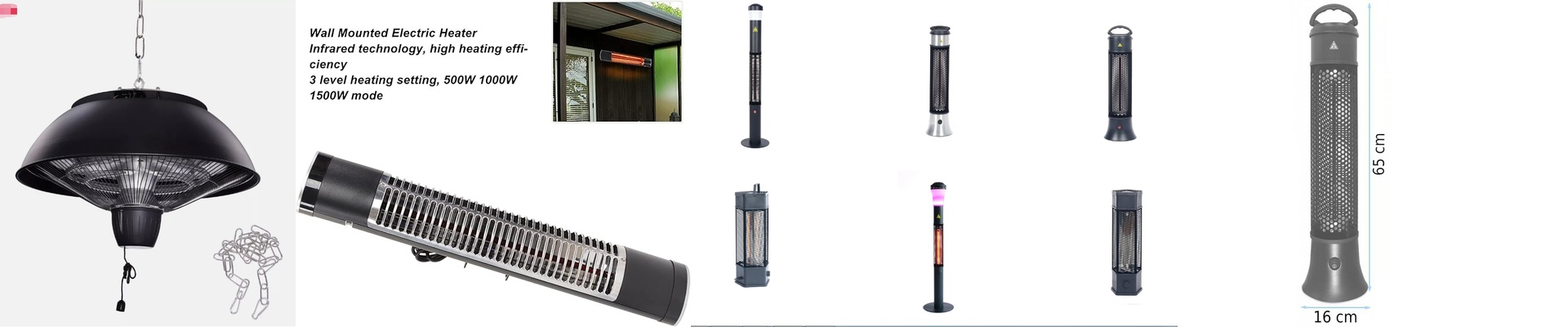
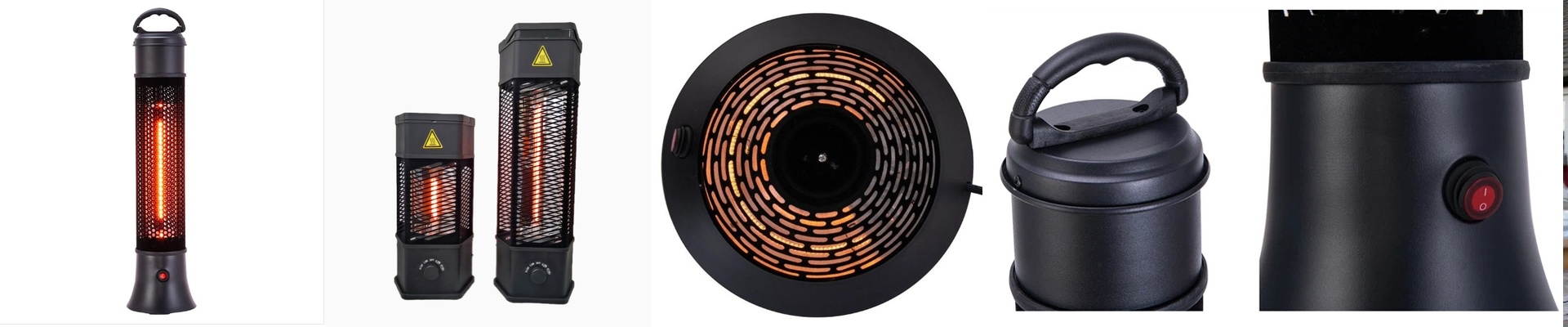
An infrared office desk heater delivers warmth the way the sun does—by radiating heat directly to people and objects—without moving air around. Inside, you’re typically looking at a quartz tube or a carbon fiber filament producing short-wave or medium-wave infrared, so you get warmth almost the moment you switch the unit on. Because it doesn’t pull air through a heating chamber, there’s no oxygen consumption during operation, and no open flame or combustion byproducts. The unit runs quietly, too—often just the faint sound of a fan if one is included—while putting out focused radiant heat.
Why this approach fits this space
In a home office that also sits next to a nursery, the real win is the combination of silence and oxygen-free operation. You can keep your work area comfortably warm without stirring up dust, without the drafty feel of a fan heater, and without the steady background noise that can break a baby’s sleep. For you, the radiant warmth eases stiff shoulders and cold hands, which helps you stay focused. For the room, it means fewer temperature swings and less of the dryness that can irritate sensitive skin.
The practical details
Infrared desk heaters do their best work when they have a clear line of sight to the target area—they warm what they can “see.” They’re built for personal comfort and small-space use, not whole-room heating. Keep the unit on a stable, level surface, and look for tip-over protection and a cool-touch housing. Most models plug into a standard outlet and can be paired with a thermostat, but even with a thermostat, they won’t replace central heating in very large rooms.