
Precision Heat, Built for Your Glass
We built these batch furnace heating elements for one simple reason: to hit the exact absorption peak of your specific glass additive. Because when you’re running a specialized formula, generic, all-over heat just won’t do the job. We don’t take a one-size-fits-all approach. We scientifically customize the infrared spectrum to match your chemistry.
Power, Packed into a Compact Frame
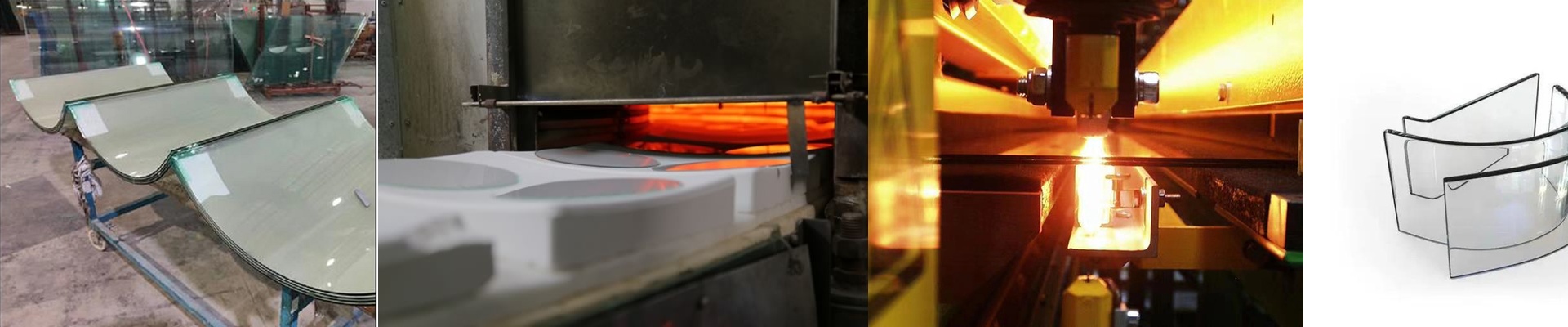
At the heart of this system is a 400V, 2500W halogen lamp, all housed inside a 300mm quartz tube. It’s a combination designed to deliver serious heat density in a small footprint. That 400V input? It’s a deliberate choice. It lets you plug right into your existing industrial power supply, so you can skip the heavy step-down transformers. And that 2500W output gives you the raw intensity needed to bring batch loads up to temperature fast. But that kind of power density puts demands on the whole system. You’ll need a cooling setup that’s properly spec’d to handle the ambient heat load.
The Secret to Control: The Materials
Everything starts with the quartz envelope. It’s what lets the shortwave infrared energy pass through, giving you that deep, penetrating heat. Then comes the real magic. We apply a proprietary coating to the inner surface. This coating fine-tunes the emission spectrum, shaping the wavelength to line up perfectly with your glass additive’s molecular absorption. And for the connection, we use an R7s connector. It’s the practical, no-nonsense choice. It holds up to the extreme heat inside a furnace and makes lamp replacements a quick, simple job when it’s time for a changeover.
What This Means for You on the Floor
Faster heating cycles. Less wasted energy. You’re not just heating the glass. You’re delivering energy exactly where the chemistry needs it. The payoff is a more consistent melt, shorter cycle times, and a predictable lifespan for the element. This is about repeatability, not crossing your fingers and hoping for the best. And because the custom spectrum ensures the heat is absorbed efficiently, you’re kinder to the furnace lining and reduce the unnecessary thermal stress on the whole system.