
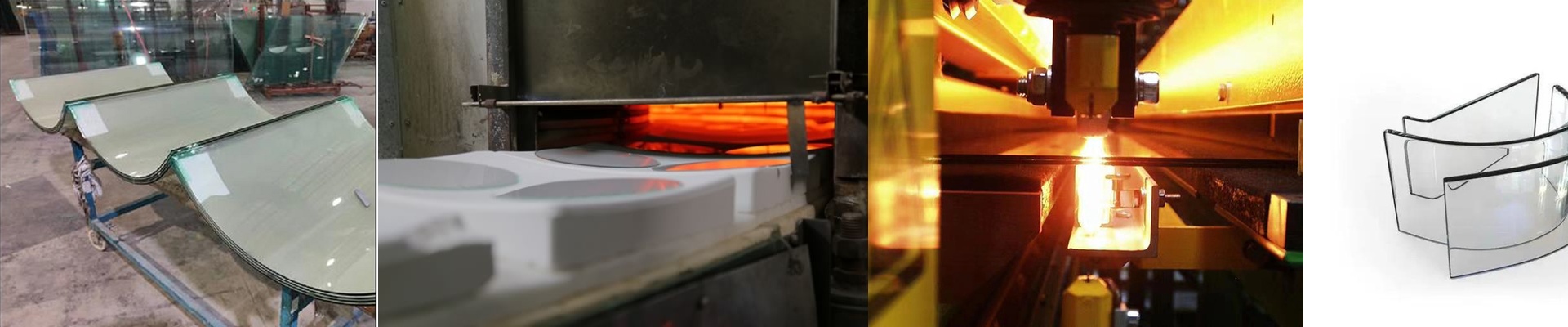
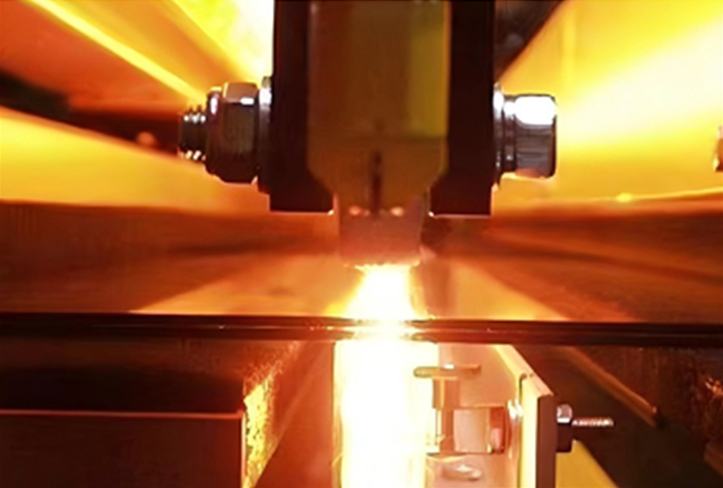
On the glass blowing line, temperature stability isn’t a “nice to have.” It’s the line between making it on the first pass and watching it hit the scrap pile. If the heat is uneven during forming, you drive thermal stress right into the glass. And if annealing is weak, those latent fractures don’t stay buried—they pop up later, in tempering or bending. We built the heating modules to keep the profile predictable, cycle after cycle. What actually matters on the technical side We set the process up to match the physics, not fight it. Short-wave quartz emitters hit the hot zone fast with direct radiant heat, and you get tight control where you need it. Medium-wave and carbon-fiber options give you deeper penetration, which helps keep the surface-to-core gradient lower. That translates to a more uniform thermal field, so viscosity stays consistent during blowing and cooling is controlled through the annealing lehr. The output is tuned for production—fast ramp-up, stable dwell—so you’re not chasing temperature swings. Energy use drops because the heat goes into the glass, not into heating the surrounding air and fixtures. Why this approach fits glass blowing In blowing, the heat has to follow the blow mold and parison geometry, not just the ambient furnace conditions. We layout the heating to target the forming surfaces directly, which cuts down cold spots and hot bands that give you uneven wall thickness. Then, that same discipline carries into stress relief during annealing. Better stress relief means less risk of breakage when the glass moves downstream—bending, tempering, or heading into insulating glass assembly. The payoff is shorter cycles, fewer reworks, and steadier throughput. On a lot of lines, first-pass yield climbs measurably, and gas or electric consumption drops in a way you can actually see on the bills. A few practical details you’ll want to plan for Installation always comes down to the line geometry, clearances, and what you already have for burners or electric layout. Expect that existing mounting points and power connections may need minor tweaks to get a true drop-in fit. Plan for emissivity differences, especially across glass colors and coatings—setpoints need re-verification during commissioning. Keep emitters and reflectors clean; soot and scale will eat your uniformity. Pair the module with routine calibration, and it will hold the profile you need, day after day.