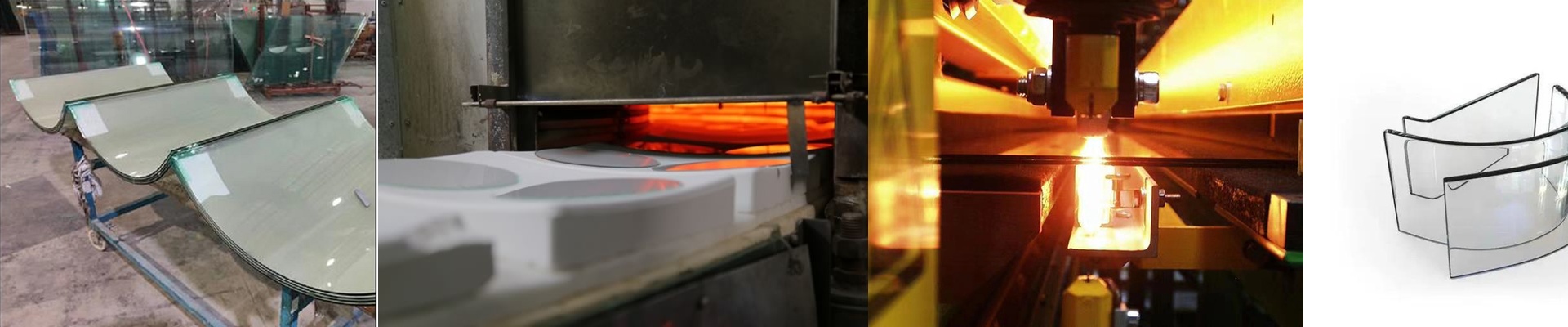
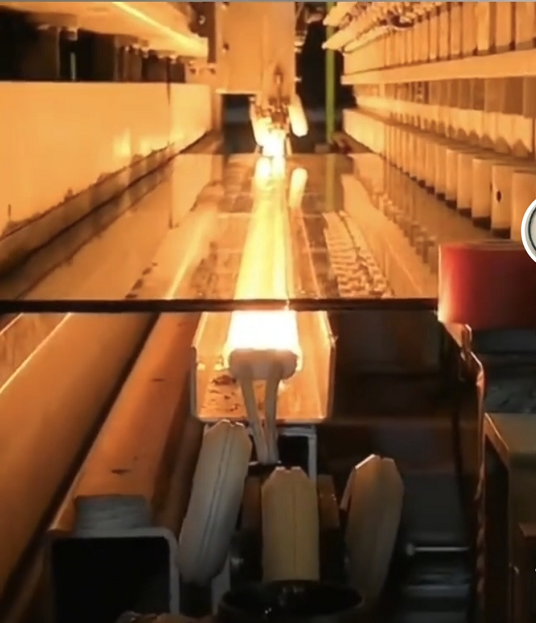
On the glass line, heat is never just heat. It’s cycle time, it’s optical clarity, and it’s the difference between a sheet that ships and one that gets scrapped. When you’re tempering, bending, or drying coatings, uneven temperature or a lagging response forces you to back off the speed—or risk thermal stress cracks and warp. Bulk-buy infrared bulbs for glass put control back in your hands. What matters, technically We build these bulbs around quartz infrared emitters, tuned for glass processing. The energy is directional, so it goes straight where the process needs it, not into heating the air. Response is fast—millisecond-scale—so the furnace or oven tracks the recipe without overshoot. You get a uniform thermal field across the target, which cuts down hot spots that cause bow and cold zones that lead to uneven sag. And we match standard voltages and footprints, so the bulbs drop straight into common OEM fixtures without re-engineering the machine. Why it works in the real processes In tempering, the quench has to be repeatable. Directional infrared gives you stable heat across the sheet, which improves optical quality and lowers breakage. In bending, the glass hits the set point quickly, shortening dwell and boosting throughput. In lamination and coating drying, the heat penetrates without scorching the interlayer, so adhesion is consistent and rework drops. Energy use falls because the bulb heats the glass directly, not the whole chamber. Here are the practical details Infrared is line-of-sight, so fixture alignment matters. Keep reflectors clean and set the focal plane to the glass surface to maintain uniformity. Handle quartz carefully—contamination on the bulb shortens life and shifts output. On high-humidity lines, pick the right end-seal option to keep moisture out. Plan for thermal expansion in the holder to avoid stress cracks. Run within rated voltage and the bulbs deliver long service with stable output, keeping you on high-volume schedules.