
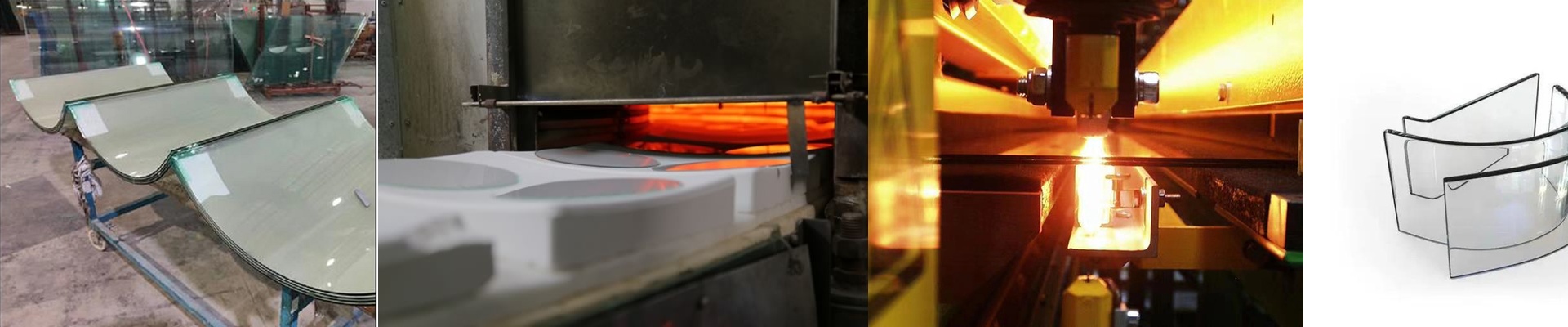
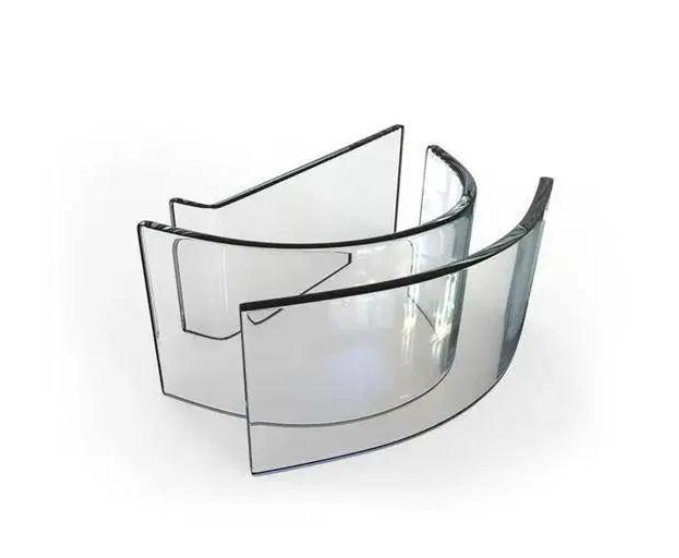
Out on the line, a sluggish heating zone doesn’t just slow one station—it pins the whole process. Coatings cure patchy. Laminates kick up bubbles. Tempered glass starts to bow as thermal stress builds. When the heat isn’t pulling its weight, yield slips and rework stacks up fast. What matters under the hood We run Alibaba glass processing heaters with short-wave infrared and high-emissivity quartz emitters. The goal is a uniform thermal field across the glass surface, top to bottom. They come up to full power in seconds, so cycle time stays tight. Directional radiation puts the energy where it’s needed, which trims wasted heat and lowers energy draw per part. The build is industrial: output that holds steady over thousands of hours, repeatable temperature control, and terminals that take high-current cycling without folding. Why this works on the processes we know In tempering, uniform heating cuts down thermal stress, so breakage drops and optical clarity improves. In bending, the fast response gives you repeatable sag control—the curve lands the same every time, matching the mold. In EVA/SGP/PVB lamination, the heater brings the stack to bond temperature quickly and evenly, which keeps bubbles and voids to a minimum. For insulating glass sealing, the heat profile stays consistent along the spacer, so adhesion is cleaner and the seal holds longer. The payoff is higher throughput, fewer defects, and fewer kWh per square meter. Here are the practical details Infrared heating is line-of-sight, so mounting geometry and reflector layout have to match the glass shape and travel path. Check clearances and emitter orientation to avoid shadows and hot spots. The heater performs best when you know the glass emissivity and tune the control system to the specific process window. Retrofit is straightforward, but plan for alignment and edge thermal insulation to keep the work zone stable.