
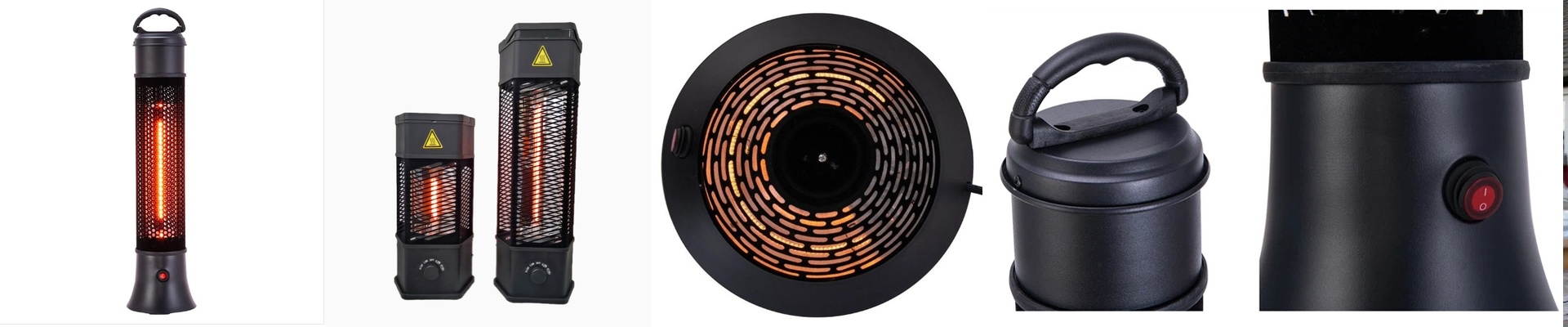
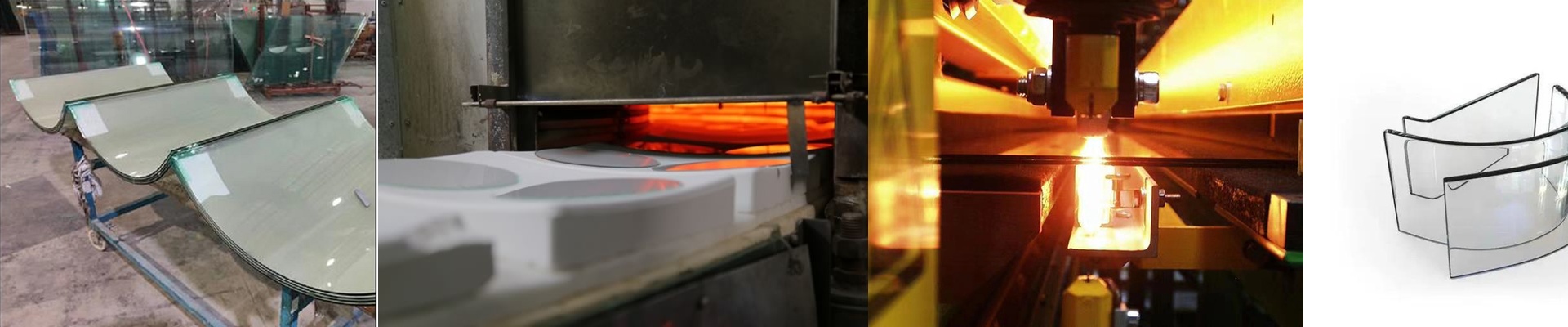
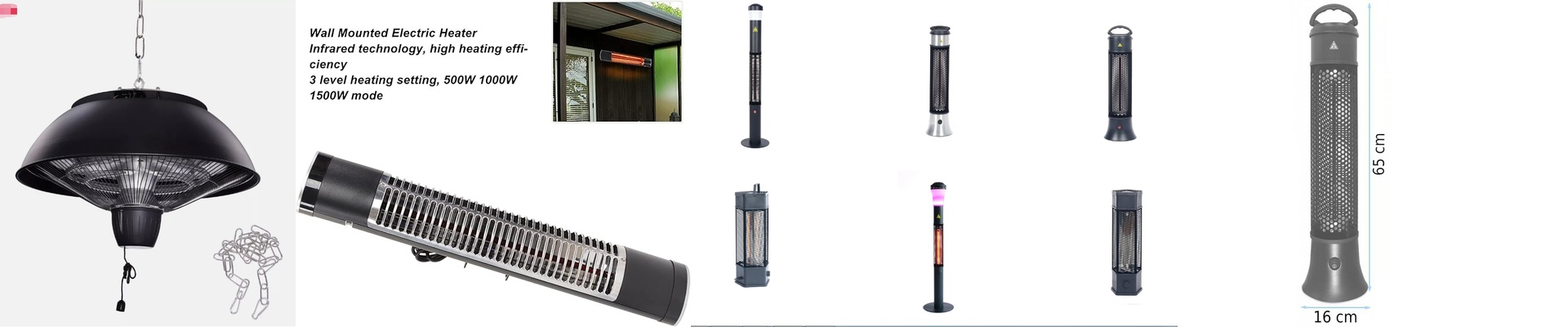
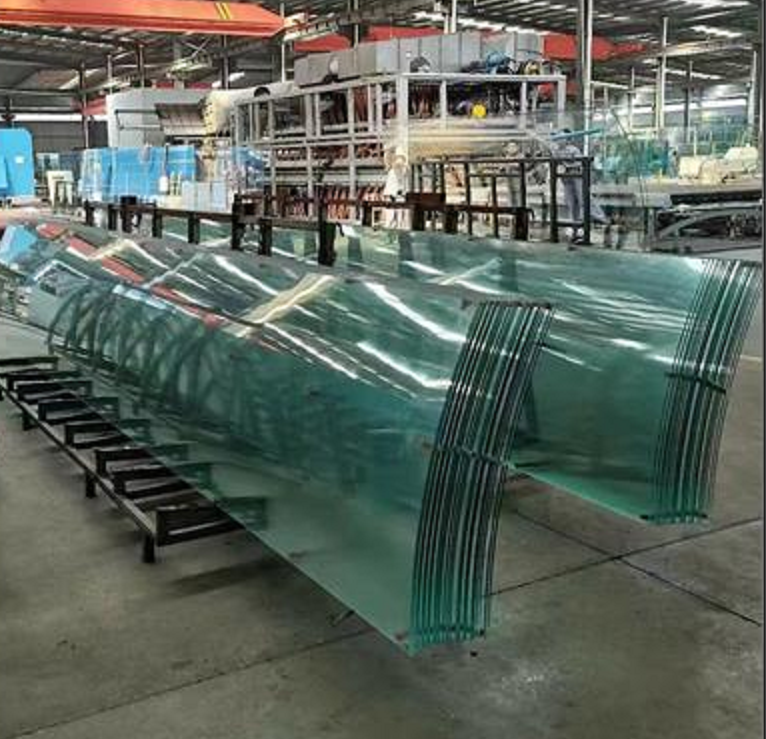
On the line, the glass heater does more than warm the glass. It draws the thermal boundary that decides your yield. When the heat is uneven or the response lags, you spot the fallout fast: roller impressions in tempering, optical distortion in bending, weak adhesion in EVA lamination, and coatings that skin over while the core stays wet. Downtime piles up, and scrap isn’t just glass—it’s furnace time and labor you can’t get back.
What matters, under the hood
We lean on infrared because industrial glass work needs controlled radiation, not just hot air. The payoff is measurable: a uniform thermal field across the active zone, so the center and edges hit setpoint together and cut down the thermal stress that cracks or bows glass. Response is quick—power adjusts on the fly as the glass passes, which keeps cycle time steady on high-throughput lines. Directional radiation puts the energy where it needs to be, so you waste less heat to the frame, insulation, and the surrounding space. In practice, that means repeatable temperature profiles, tighter control on curing and preheat, and fewer surprises when you switch thicknesses or coatings.
Why it holds up on the floor
In tempering, uniform infrared heat keeps the glass at a consistent, quench-ready temperature, so you don’t fight breakage from uneven thermal gradients. In bending, it gives predictable sag control without chasing hot and cold spots. In lamination, it delivers even preheat for EVA, SGP, or PVB, which helps edge clarity and cuts down on voids. In insulating glass sealing and coating drying, the directional heat reduces reliance on convection, so you get a faster, cleaner cure without scorching the pane. The upshot is fewer line stops, higher first-pass yield, and less rework.
Here’s what to watch
Infrared heaters read the target. Reflective coatings, low-emissivity glass, and surface films shift absorption, so setpoint often needs tuning when the product changes. Installation tolerances matter—gaps, mounting pressure, and reflector condition all influence uniformity. Plan for clean power, stable voltage, and proper thermal management around the heater body. Treat the system like part of the process, not a bolt-on.