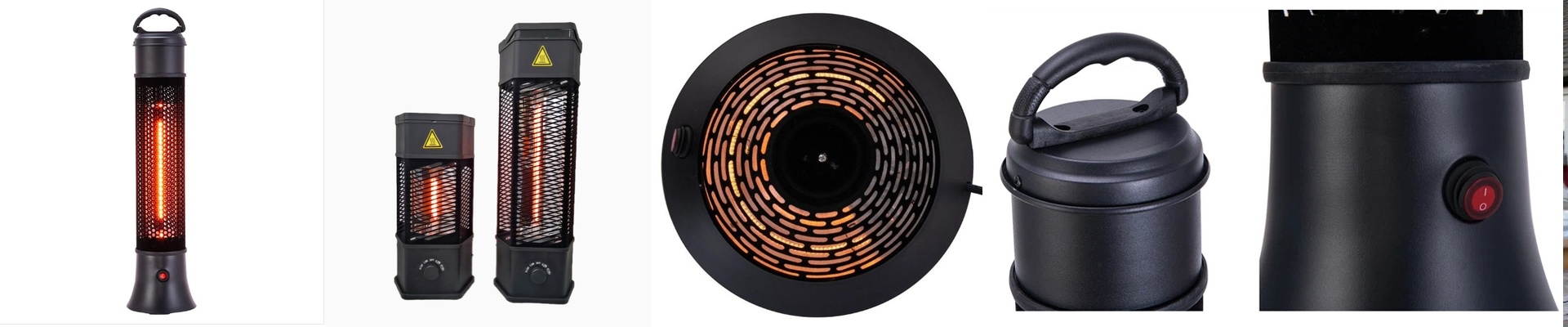
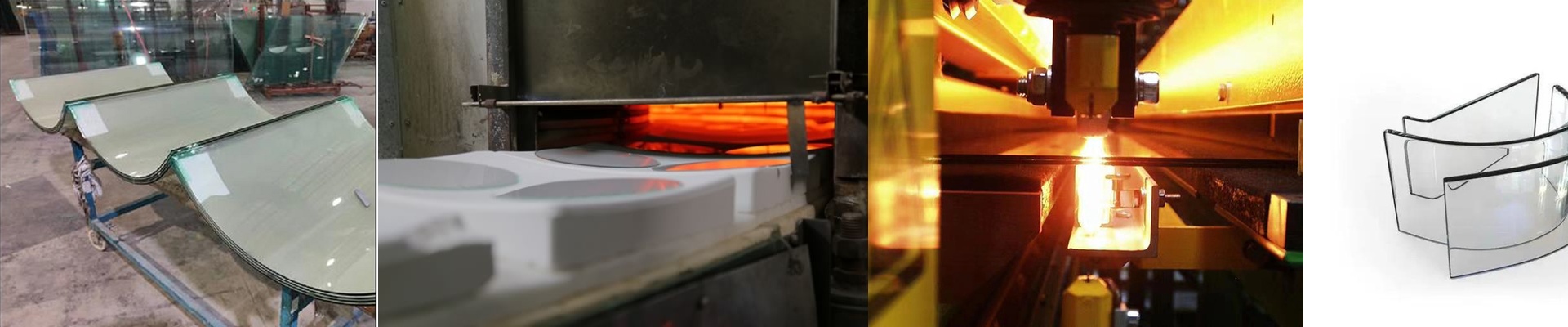
On the insulating glass line, the sealant window is tight. If the dryer can’t keep up, the butyl and secondary sealant cure unevenly, and you end up throttling the line just to avoid rejects. That idle time and scrapped units cost more than the heater ever will. What matters, technically We built the window glass sealant dryer around near-infrared (NIR) quartz emitters, tuned to the absorption band of the common sealant chemistries. It hits operating temperature in 60 seconds from a cold start and holds ±2.5°C across the drying width. Power density runs at 45 kW/m², dumping energy in fast without scorching the glass edge. The payoff is consistent curing depth—no soft skin, no trapped solvent. Control is clean: set the profile, and the closed-loop feedback holds it. Why it works in the real world Insulating glass sealing needs repeatable thermal input to hit adhesion targets and keep structural integrity. The NIR dryer shrinks the dwell window, so you can keep the table moving. The uniform field cuts thermal stress at the glass edge, lowering the risk of micro-cracks that tend to show up later in cutting, tempering, or handling. Energy use drops because the emitters switch fast and spend less time idling. In practice, we see cycle time reductions around 30–40% compared with convection-only setups, and fewer reworks from under-cured beads. Here is the thing to keep straight. NIR drying is line-of-sight, so spacing and emitter layout have to match the bead geometry. Keep the emitter-to-glass distance between 150 and 250 mm to hit the stated uniformity; step outside that window, and the temperature spread grows. The unit runs on standard 230/400 V, but give it a dedicated circuit to handle the peak load. After maintenance or lamp replacement, expect a short warm-up before full output settles. Plan the mounting so you can get in there for cleaning and inspection—dust on the quartz tube changes output fast.