

If you deal with seasonal allergies, you know the drill. The heat kicks on, and suddenly you’re bracing yourself. Forced-air systems churn up dust, kick pollen around, and dry the air out. You end up stuck, choosing between staying warm and breathing comfortably. It doesn’t have to be that way.
What actually matters, technically
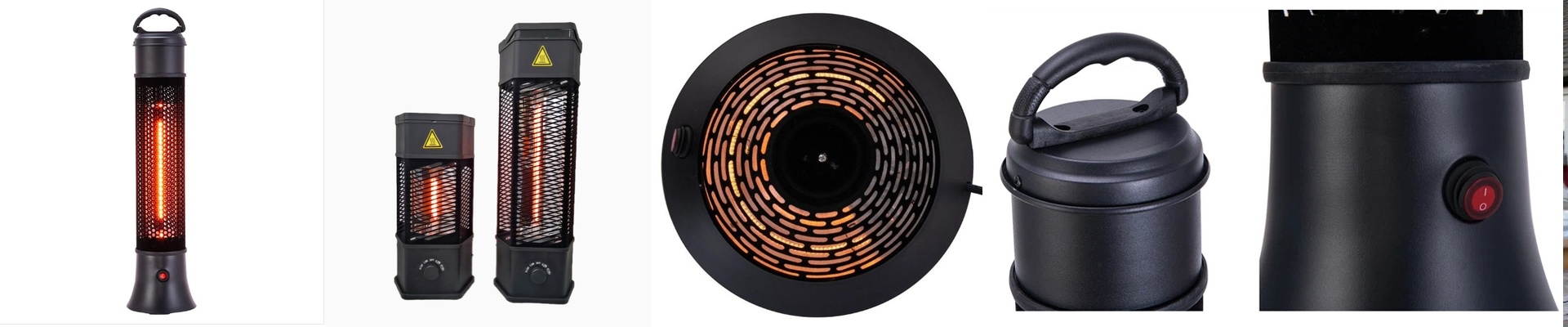
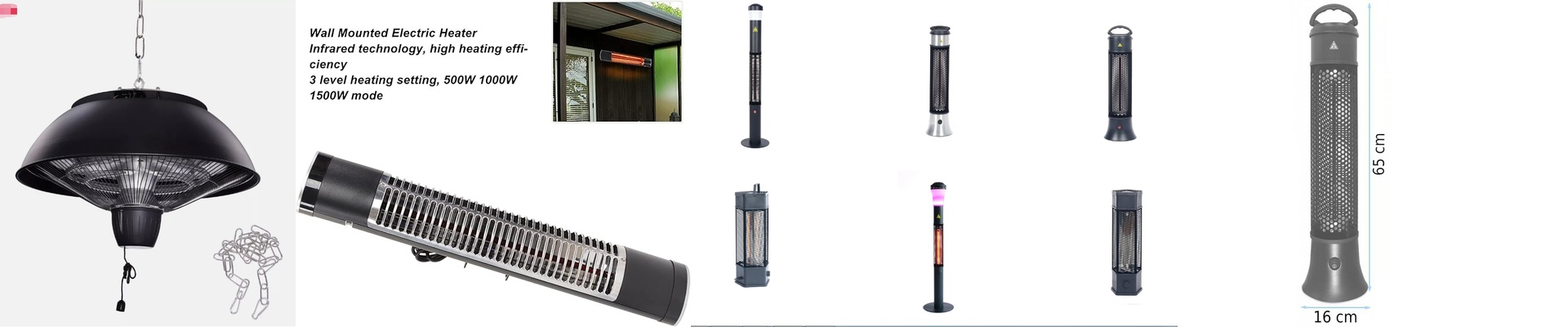
Infrared space heaters work like the sun—they radiate heat straight onto people and surfaces, not by moving air. Inside, a carbon fiber or quartz element heats up fast and throws out gentle infrared warmth. No fan means no dust storm every time the unit starts. A built-in thermostat keeps the room at the temperature you set, so you avoid those dry, on-off blasts that irritate sensitive airways. The included remote lets you adjust the heat and thermostat settings from your chair, so you don’t have to touch the unit and stir up particles.
Why this approach helps
When allergies are a factor, clean air is the real comfort. Infrared heating leaves the air still, so pollen and dust stay put instead of circulating. There’s no forced heat to evaporate humidity, which means less irritation for skin and throat. You feel the warmth almost instantly, and it’s steady—no stop-start jolts. For homes where someone has asthma or dust sensitivities, that quiet, draft-free warmth turns winter from a chore into something manageable.
What you need to keep in mind
Infrared warmth works best in line-of-sight, so position the heater to reach the main seating area. It heats people and nearby surfaces directly, which can mean you feel cozy even when the room temperature is a touch lower. Keep the unit on a level surface, well away from furnishings, and use the tip-over protection as your safety backup. If you need whole-room heating, pair the infrared unit with a gentle circulator to even out the temperature without kicking dust back into the air.