
Introduction
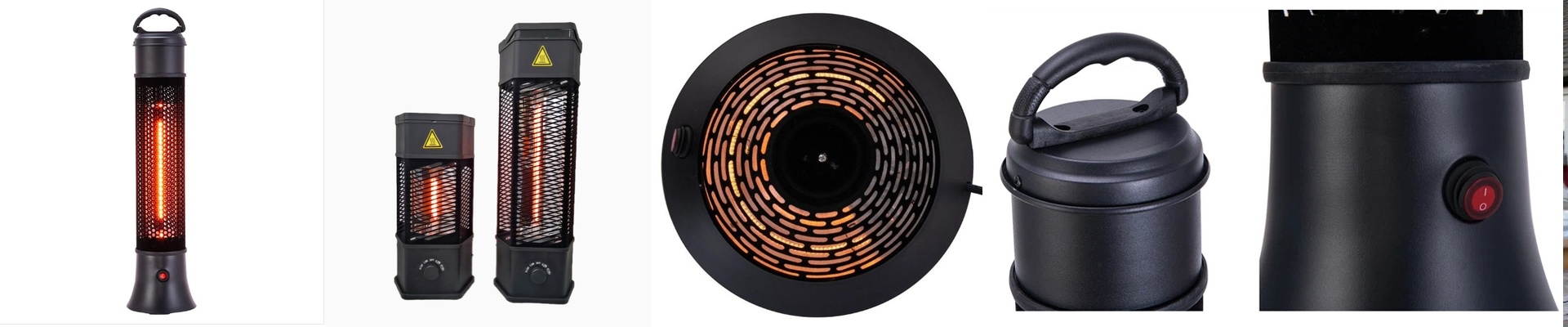
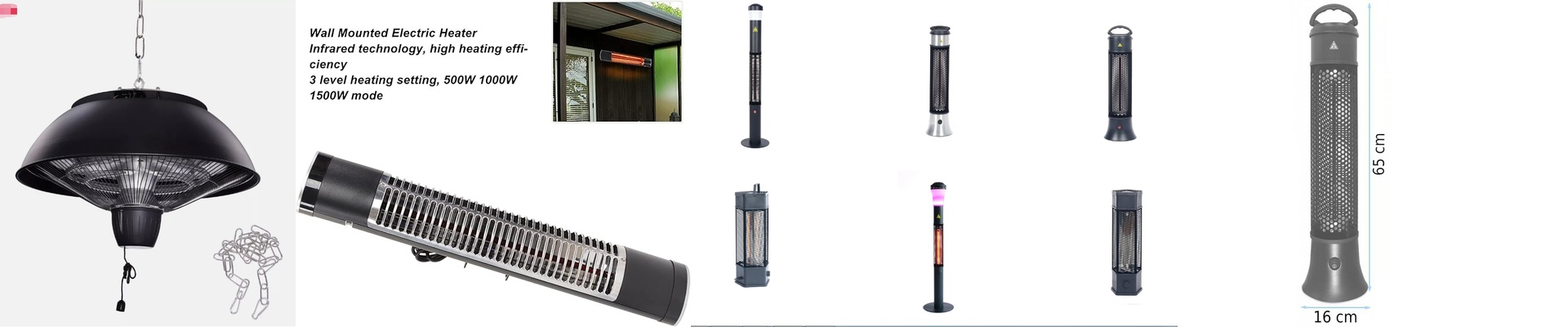
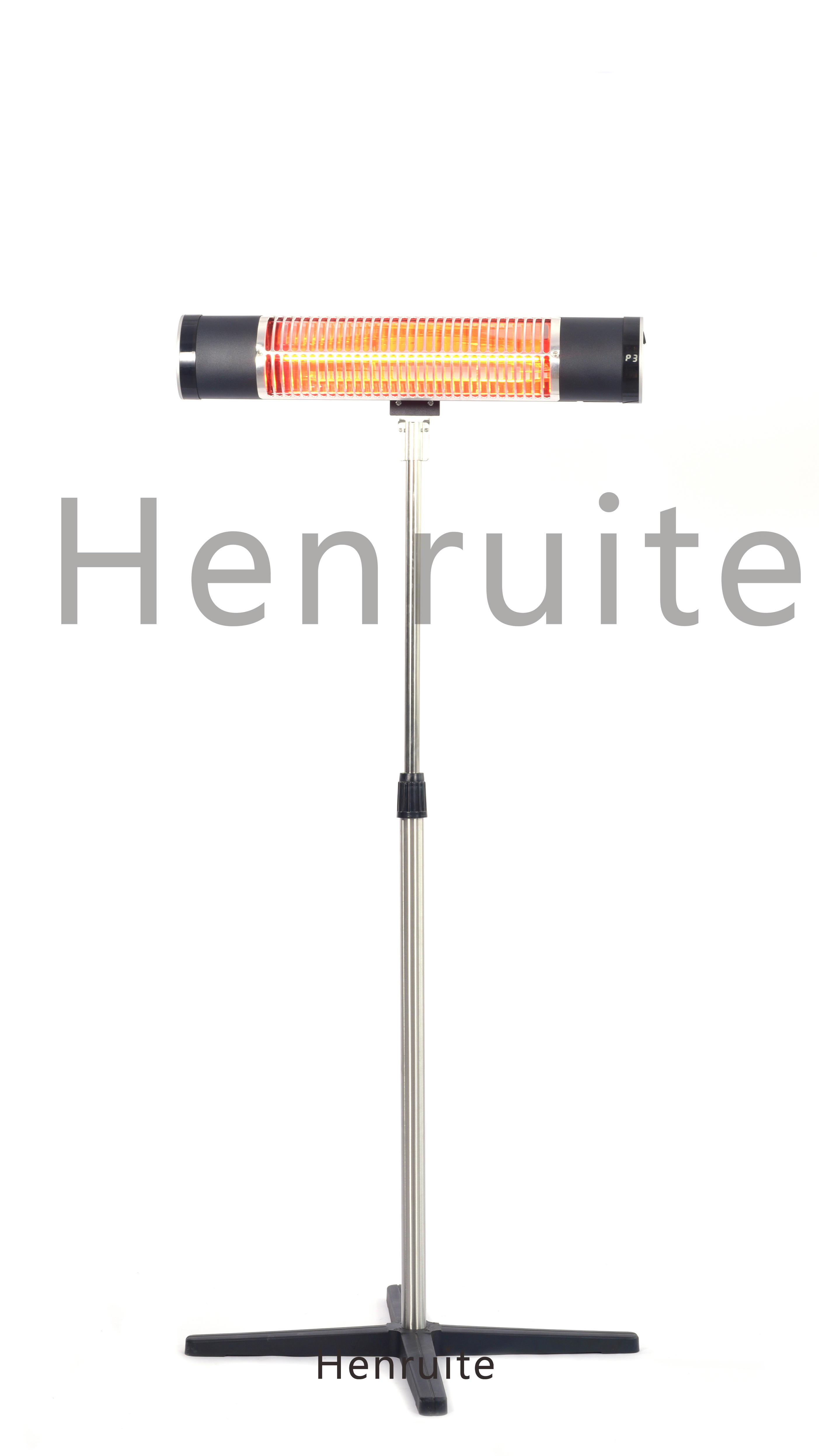
We built this handheld infrared heater for those industrial jobs where you need serious, focused heat—right now. It’s compact, it’s powerful, and it gets to work fast. We designed it around a shortwave halogen lamp core. The whole point? Giving you steady, controllable heat in places where space is at a premium and every minute of downtime costs you.
The Specs, Straight Up
Let’s talk numbers. This thing runs on 400V, cranks out 2500W, and the heating tube is 300mm long. That combo gives you a lot of heat packed into a small space. It heats up quickly and holds the temperature you need, even on tough jobs. And the 300mm length? It keeps the footprint small enough to fit into tight spots without forcing you to redesign your whole setup. Just know this: 400V and 2500W means you need a solid power supply and proper wiring. Plan for enough current capacity and think about heat management. This isn’t something you casually plug in. It delivers, but your electrical layout and cooling have to be ready for it.
What’s Inside
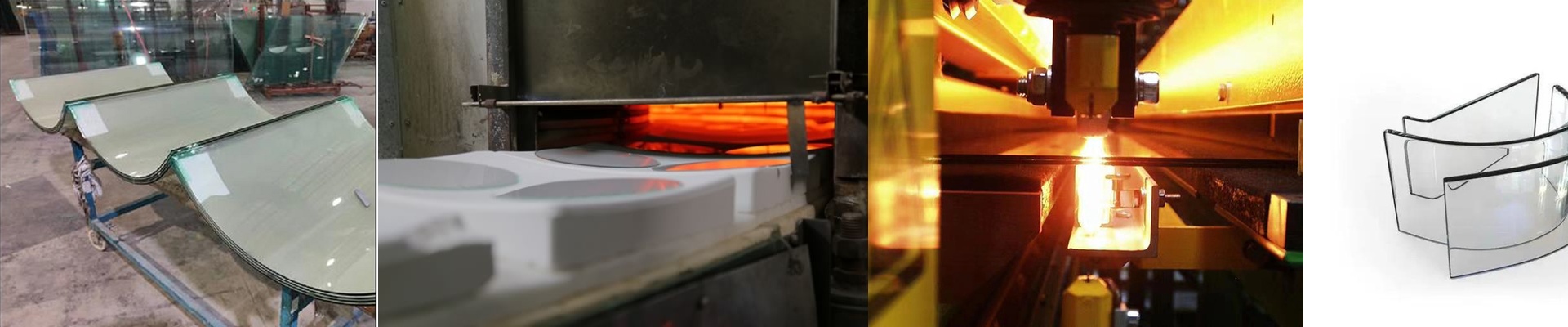
Inside, you’ve got a halogen shortwave element housed in a quartz tube. The halogen design keeps the filament stable over time, which means more consistent output, day after day. The tube itself is coated, which helps lock in heat and shields the element from harsh conditions. That coating reduces hot spots and keeps the lamp from getting hammered by airflow or the occasional bit of contamination. For the connector, we went with R7s. It’s a proven industrial choice—easy to wire, holds up under vibration, and simple to service. If you’re swapping out an existing fixture, the R7s makes the changeover quick and painless.
Why This Setup Works
This heater shines when you need fast response and repeatable performance—pre-heating parts, curing adhesives, or keeping a production line at the right temperature. The shortwave output puts the energy exactly where you aim it, so you get heat fast without wasting energy warming up the whole room. It’s handheld and plug-in, so it moves with you. But make no mistake, it performs like a factory-grade heater. That power comes with a trade-off: it runs hot. Give it room when you mount it, and make sure nearby components can handle the heat. For engineers and buyers, the appeal is simple: compact size, fast warm-up, stable output, and an easy-to-work-with connector that keeps installation and maintenance straightforward. If you’re looking at export-ready models, this design hits the sweet spot between performance, serviceability, and reliability in the field.