
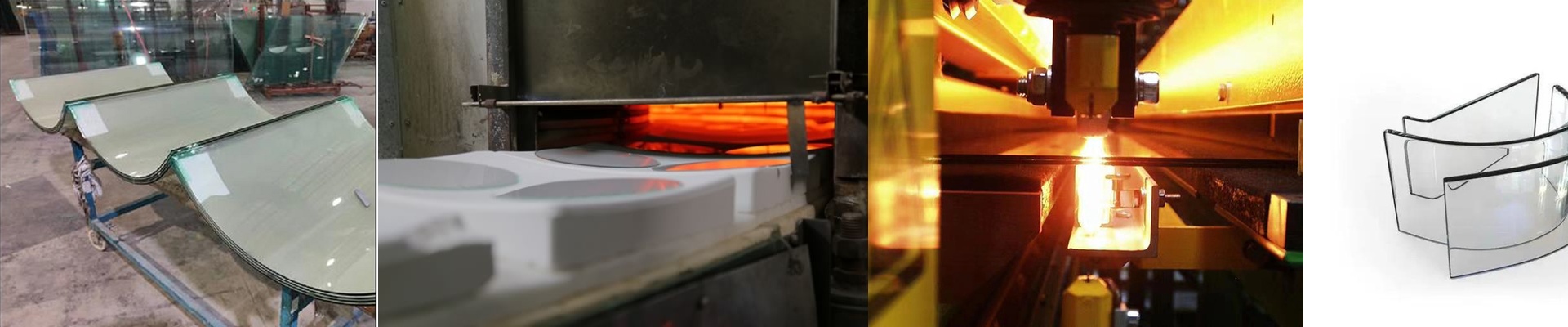
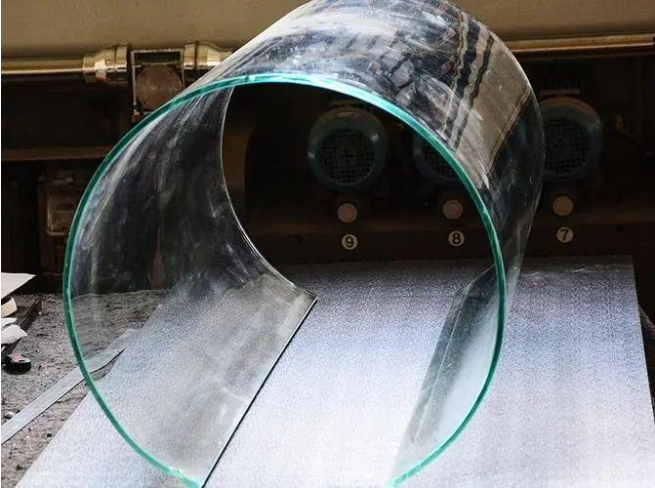
On the glass line, heat isn’t just temperature. It’s timing, it’s distribution, and it’s control. Get the thermal profile wrong—whether you’re tempering, bending, laminating, or drying a coating—and you’ll see optical distortion, thermal stress fractures, and scrap that should have shipped. High power density IR heaters were built for this reality. They give you the intensity and precision needed to hold cycle time and keep yield up. What matters, technically We build these heaters around short-wave IR with high power density so the energy hits the glass surface fast, instead of wasting time heating air. That translates to rapid response—seconds to reach setpoint—so you don’t have to throttle line speed down during changeovers. A controlled thermal field across the heating zone keeps hot spots and edge effects in check, which matters because glass is sensitive to differential expansion. Directionality matters, too: IR energy goes where you need it, with minimal wasted convection, so repeatability holds shift after shift. Here’s why it plays out on the floor. In tempering, uniform heating lowers the risk of thermal stress and breakage, and it supports consistent quench results. In bending, fast, even heating improves shape repeatability without pushing the mold too hard. In lamination and coating drying, the quick response shortens dwell time, boosting throughput without sacrificing adhesion or cure. Energy use drops because heat is applied on demand and focused on the load, not the surroundings. For insulating glass sealing, stable heat at the primary seal improves edge integrity and long-term durability. A few practical notes. High power density IR heaters need careful mounting and clear sightlines to the target. Keep reflectors clean and aligned, and remember that target emissivity directly affects absorbed energy—coated glass behaves differently than clear float. Plan for adequate cooling and electrical clearances, and confirm compatibility with your control strategy and safety interlocks. Handle those basics, and the heater runs like a dependable workhorse instead of turning into a maintenance bottleneck.