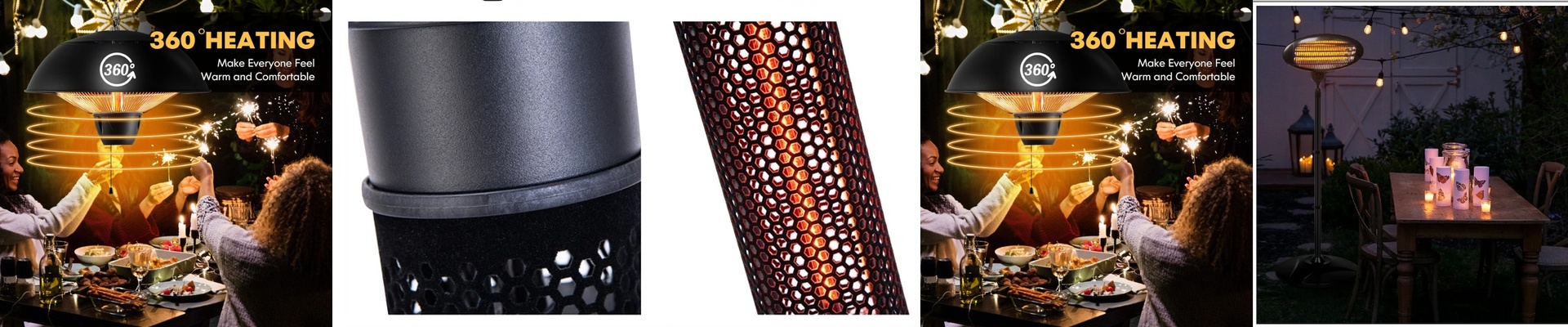

Outdoor evenings can go from cozy to cutting in a heartbeat when the air turns on you. That’s why we put this fake-flame patio heater together—steady radiant warmth, no real flames, and none of the hassle. If the output doesn’t measure up to what the major brands are putting out at this price, we’ll refund you in full. Confidence, sure—but it’s confidence backed by field work, not hype.
What’s actually under the hood
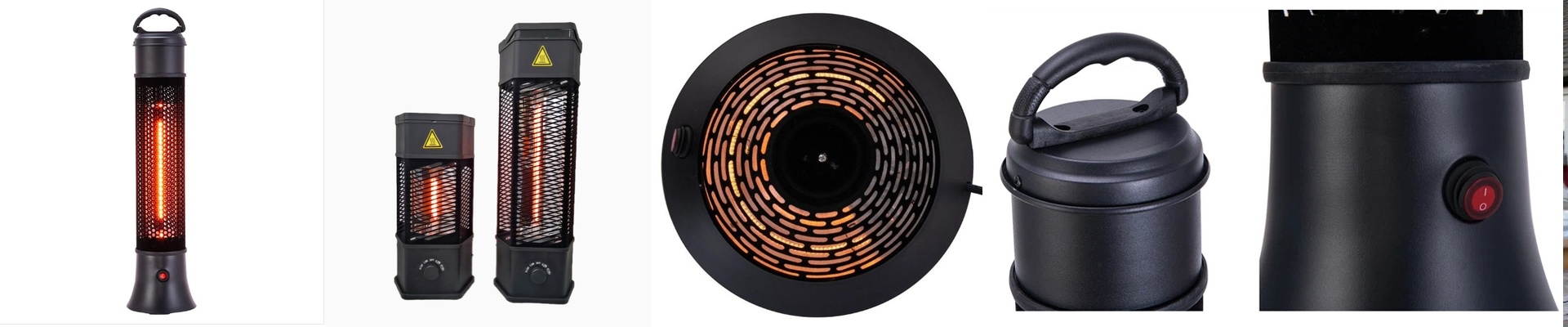
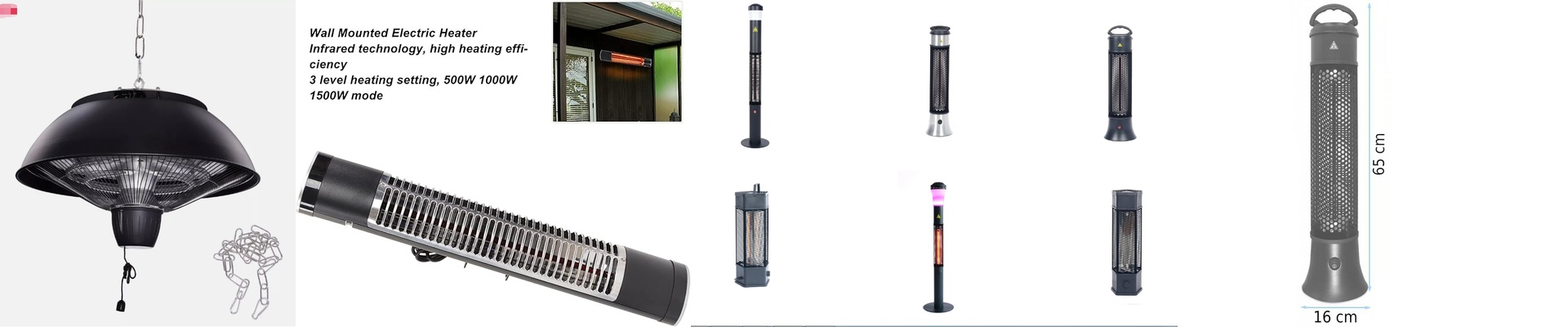
Inside is a quartz infrared tube that throws short-wave radiant heat, warming people and surfaces directly instead of fighting to heat the air. You feel it fast, and it stays consistent even when a breeze cuts through. A built-in thermostat holds the temperature steady, and tip-over protection shuts the unit down if it gets knocked off-level. The fake flame is a sealed LED array behind a textured shield—warm glow, zero combustion, no soot, no odor. It runs on standard 120V, pulls 1500W, and the footprint is small enough for a patio table while still covering a broad warmth zone.
Why it makes sense out there
Whether you’re on the deck, in the yard, or on a chilly balcony, you want heat that arrives quickly and feels natural. Infrared warmth does exactly that, and the fake flame adds atmosphere without the risk. The sealed quartz tube is built for repeated on-off cycles, so you get comfort fast—even when you’re only stepping out for short bursts. You’re not wasting energy heating empty air; the heat goes where you need it. The housing is designed for outdoor use, shielding the element from wind and spray, and the LED stays cool to the touch.
The practical details—do these, and you’re good
For the best feel, position the heater so the radiant beam hits your seating area directly, roughly 3–5 feet away. Clearance matters: keep it away from combustible materials and make sure it sits on a stable, level surface. The housing is weather-resistant, but it’s not built for continuous heavy rain or submersion—cover it or bring it in when storms hit. If you need extra reach, pair it with a grounded outdoor-rated extension cord, and always plug into a circuit that can handle the 1500W load.