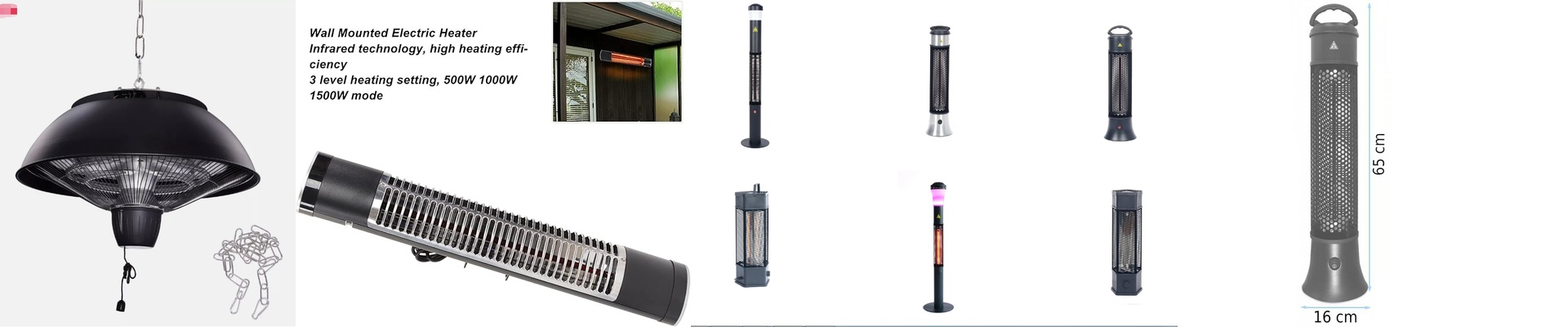
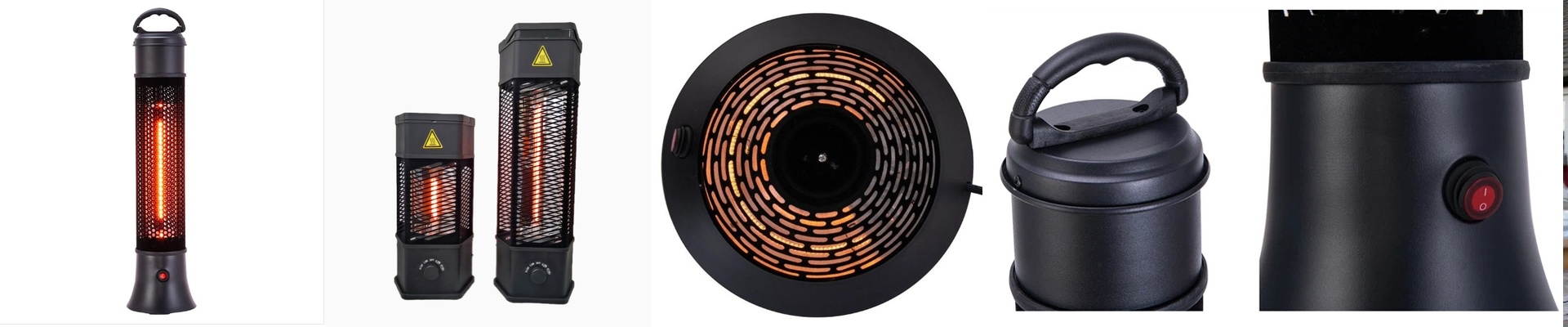
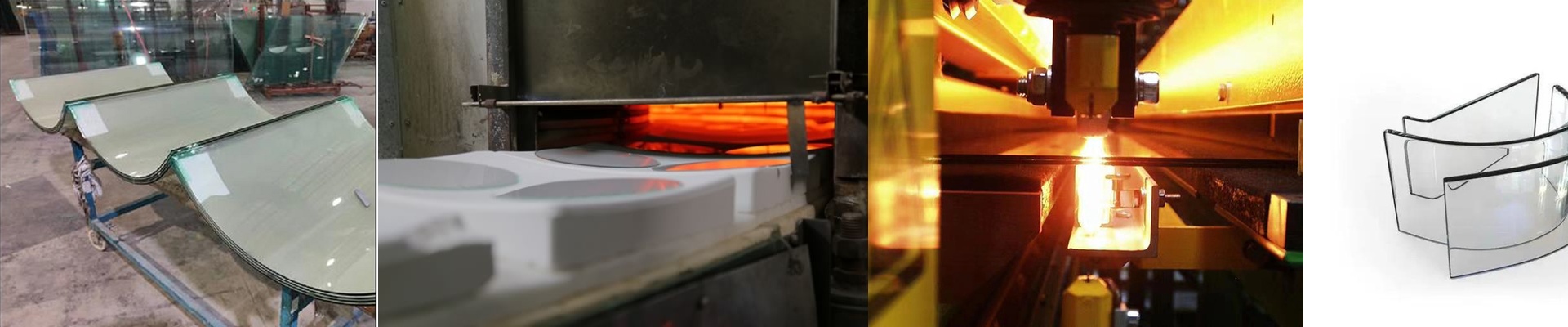
On the draw tower, consistency is decided in the preform zone. If the heater can’t hold a stable, uniform thermal field, the glass gets hammered—thermal shock, viscosity swings, and diameters that drift all over the place. The result is scrap, rework, and annealing that never fully settles out the stress. We built this fiber optic drawing heater to break that cycle. What matters under the hood We run a high-emissivity quartz heating element with tight zone control. It delivers stable output in 230V/480V configurations and snaps to setpoint changes quickly. The design keeps convection low and puts radiation in charge, so the heat profile follows the glass viscosity curve instead of chasing air movement. Temperature capability goes up to 1200°C, with ±2°C stability during steady draw, and the footprint is compact enough to drop into standard draw heads without reworking fixtures. Why it behaves on the line It steadies the melt neck so the glass flows predictably. That gives you repeatable draw speeds and tighter control over core/cladding geometry. The control also cuts thermal stress during the initial cool-down, so the downstream annealing oven can fully relieve stress instead of fighting hot spots. In practice, you get fewer micro-cracks, less diameter drift, and fewer line stops. Energy use drops because the heater hits setpoint fast and holds it, and element life stretches out under controlled duty cycles. Field notes before you swap it in This is a close-coupled heater, so mounting alignment and insulation gaps directly impact uniformity. Check clearances against your existing draw head, and confirm voltage and connector compatibility before changeover. There’s a short burn-in to settle the thermal profile; after that, setpoint repeatability stays consistent day-to-day.