

The Logic Behind Factory Ceiling Radiant Heaters
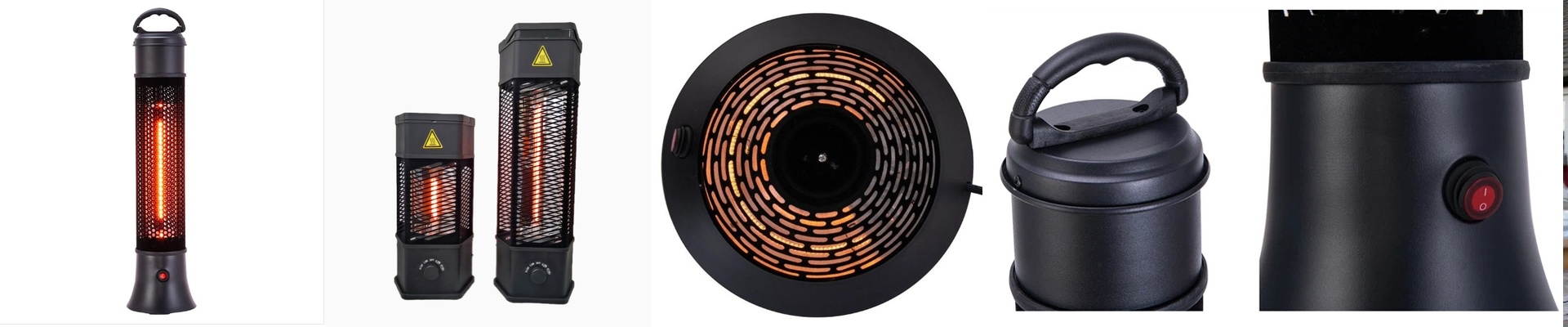
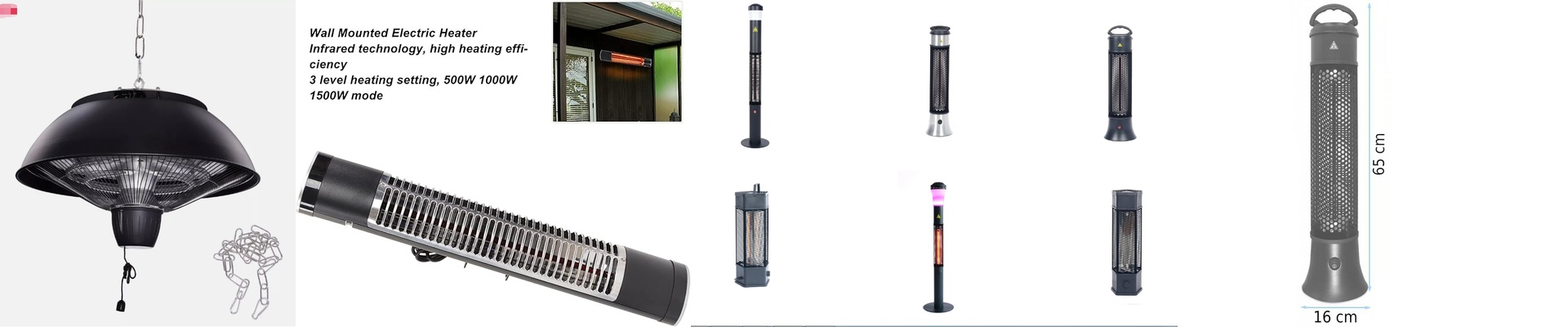
Ever walk into a huge factory space and wonder how they keep it warm without wasting a fortune? Here’s the secret: ceiling radiant heaters. They’re built for one thing—to blast concentrated heat right where you need it most. We use high-wattage, shortwave infrared elements. They cut straight through that cold air layer and warm people, equipment, and work surfaces directly. No sense heating the whole massive volume of air—that’s just a losing battle in a high-bay space. But that kind of power comes with a catch. The physics demand a tough electrical setup, often 400V, to handle the load. A compact tube can put out 2500W, which is a lot of heat in a small footprint. So you’ve got to make sure your facility’s power and thermal systems are ready for that kind of punch and the extra heat it generates.
The Core: The Explosion-Proof Quartz Tube
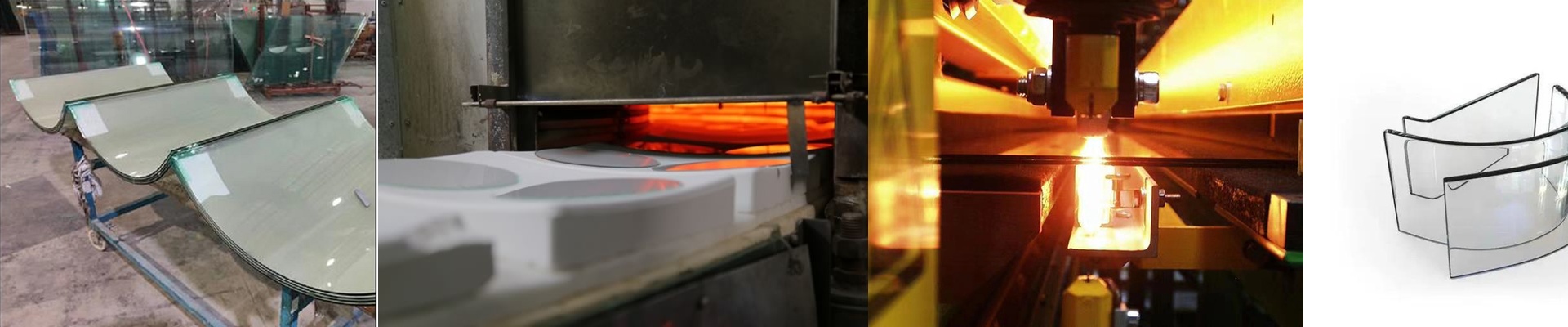
At the heart of these heaters is the explosion-proof quartz tube. Regular glass just can’t cut it here. It cracks under the pressure of rapid temperature swings and everyday bumps. Quartz, on the other hand, takes the heat—and the shocks—without breaking. The real safety win? The explosion-proof design. The filament is sealed inside a controlled environment. If something goes wrong and the filament fails, the tube contains the event. No hot fragments. No sparks flying loose. That’s a huge deal when the heater is hanging over flammable materials or in a dusty environment. And the R7s connector? It’s the unsung hero. It provides a rock-solid, high-current connection that holds tight, even when things are vibrating and the temperature keeps changing.
How It Holds Up in the Real World
Factories are tough environments. Dust, fumes, constant jolts. These heaters see it all. The explosion-proof quartz tube is what keeps you running. It prevents those catastrophic failures that force a shutdown just to clean up. And the shortwave infrared heat? It’s instant. You get warmth right away, which means you spend less time waiting for a work area to feel comfortable. That quick response is perfect for spot heating or keeping conditions steady in places like loading bays and assembly lines. But here’s the trade-off: you’re dealing with intense, focused heat. You have to plan for the extra warmth on nearby equipment and make sure there’s enough clearance. For an engineer, this heater isn’t just a heat source—it’s a key piece of the puzzle. It has to be thought of as part of the plant’s bigger thermal and safety plan.