Stop Wasting Heat on Your Glass
Most infrared heaters are just… generic. They blast energy across a wide range, but here’s the problem: your glass doesn’t always want that specific kind of heat. Especially when you’re using additives. If your lamp is pushing out energy at 2.0 microns, but your glass only “drinks” it in at 3.5 microns, the heat basically just bounces off the surface. It’s like trying to unlock a door with the wrong key. You’re spending the money on electricity, but the glass isn’t actually getting warm. We fix this by tuning the light to match your glass chemistry. We make sure the heat actually sticks.
How we actually do it
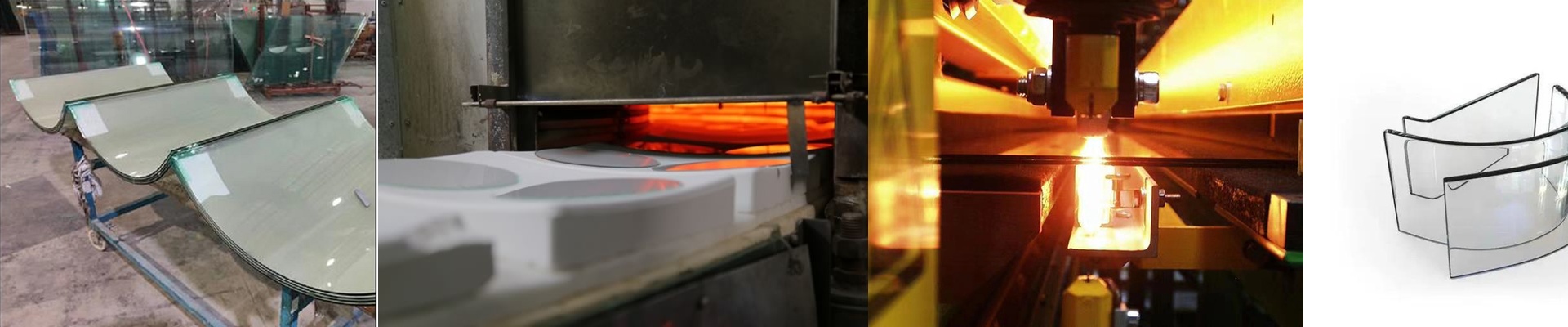
We don’t just turn up the dial and hope for the best. That’s a recipe for burnt-out equipment. Instead, we get into the guts of the lamp. We tweak the materials in the filament or add special thin-film coatings to the quartz tube. This shifts the wavelength. The result? The heat doesn’t just sizzle the “skin” of the glass. It sinks deep into the center. You get a nice, uniform soak through the whole part, which is exactly what you want for a clean anneal.
The trade-off (Keeping it real)
Now, there is a catch. When you narrow the spectrum to be super precise, you lose some of that raw, brute-force power. A coated lamp isn’t going to put out as many total watts as a standard, clear halogen tube. You’ll feel this in your line speed. If you need that surgical precision, you might find you need a few more lamps in your array to keep your parts moving at the same pace. It’s a balance.
Making it work on your floor
When we set these systems up, we start by looking at the molecular vibration of your additives. We map that out, find the sweet spot on the IR spectrum, and build around it. It kills that annoying “cold core” effect you see in thick glass sections. Everything just heats evenly. One quick tip: just make sure your power supplies are dialed in for the specific voltage of these custom filaments. If you don’t, you’re just asking for them to burn out way too early.