Getting Low-E Glass Preheating Right (Without the Cold Spots)
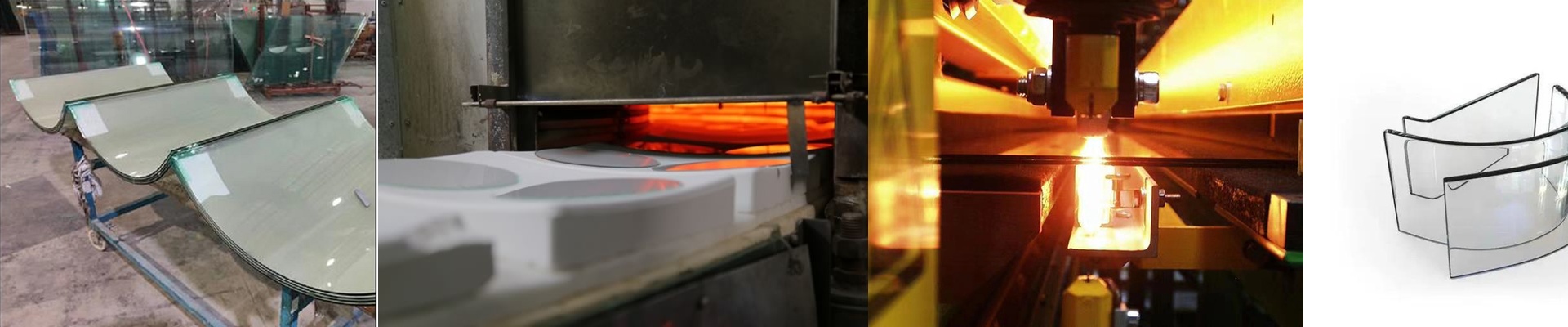
If you’re working with wide-format Low-E glass, you know the struggle. You need the heat to be dead-even across the whole conveyor. But once your line hits that 3-meter mark, standard lamps just can’t keep up. You end up with cold spots that mess with your quality. That’s why we build custom twin tube infrared units.
The problem with going long
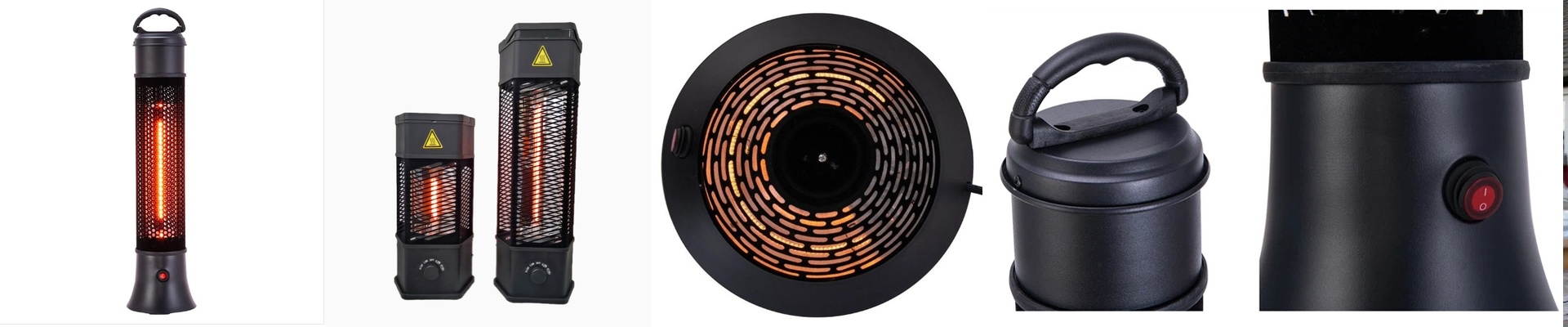
Here’s the thing: when you try to make a heating element longer than 3 meters, physics starts fighting you. You deal with voltage drops and the metal expanding as it gets hot. It’s a headache. Our fix? Twin-tube setups. We put two filaments inside a single quartz envelope. It basically doubles the heat you get per meter without taking up any extra space in your heating bank. It’s a simple move, but it means your glass hits the target temperature way faster.
The tricky part about scaling up
You can’t just plug a 3-meter array into a wall and hope for the best. We spend a lot of time calibrating the wattage and voltage so the power supply doesn’t choke. And because these things put out so much heat, they run hot. Really hot. If your housing doesn’t have great ventilation, you’re asking for trouble. Without a breeze, the heat just soaks into everything, which is a great way to melt your wiring or warp your brackets.
Built to actually last
We use heavy-wall quartz. Why? Because over long spans, thin glass tends to bow under its own weight. We don’t want that. Whether you’re dropping these into an old oven or building a brand new line, they just fit. We also use reinforced connectors. Conveyors vibrate—a lot—and the last thing you want is a lamp shaking loose in the middle of a shift. At the end of the day, it’s all about that flat thermal profile. When you get the length and power density dialed in, those annoying temperature dips at the edges disappear. No more peeling. No more bubbling. Just clean, consistent glass.