Introduction
We built this shortwave infrared lamp for one specific job: drying glass syringes. The idea is straightforward—get rid of moisture fast, without messing up the coating color. At the heart of it is a high-intensity halogen element tucked inside a quartz tube. It throws out focused infrared energy that goes right through the glass, evaporating the water while leaving the pigment alone.
Power, Voltage, and Geometry—Why It Matters
This lamp runs hot on purpose. We’re talking 2500W and 400V, which gives you the kind of heat density you need to dry quickly in a small space. The tube is 300mm long, which lines up perfectly with standard drying zones. That means the heat hits the syringes evenly, across the whole line. Because the output is so concentrated, the drying time is shorter. That cuts down on energy use per cycle. But with that kind of power, you’ve got to make sure the fixture and cooling are sized right—so the whole system stays steady and doesn’t overheat.
The Materials Behind the Reliability
The halogen element keeps the filament stable, even when the lamp cycles on and off again and again. That’s what keeps the output consistent, shift after shift. The quartz envelope is key, too. It lets shortwave infrared pass through cleanly, and it handles the shock of going from cold to hot without cracking. Inside, there’s a reflective coating that pushes more energy forward toward the target. Less waste. More usable heat. And the R7s connector? Practical choice. It locks the lamp in place and carries the current reliably, so installation is simple—just drop it in and you’re set.
What It Feels Like on the Floor
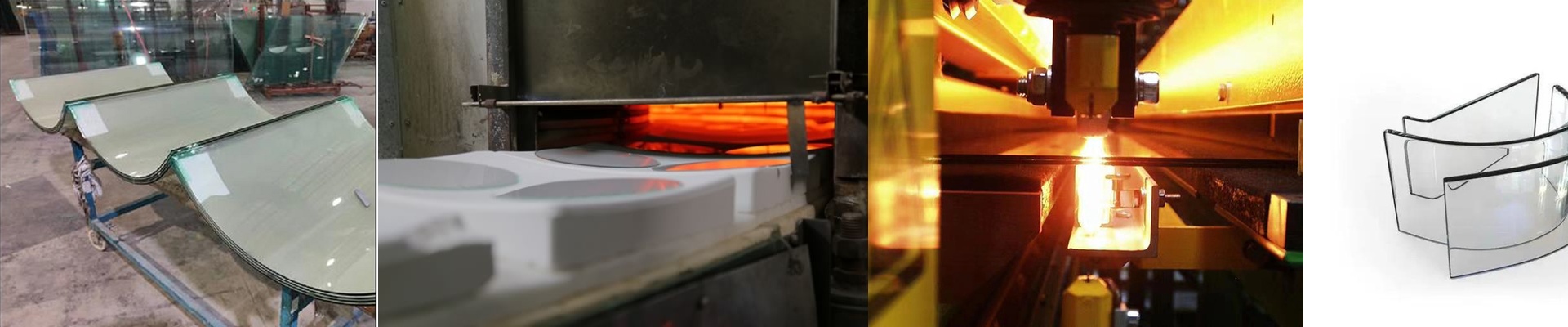
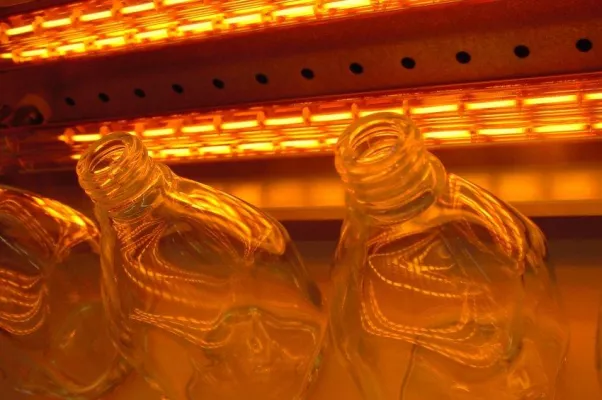
In glass syringe drying, infrared goes straight to the glass. Not the air around it. That direct heat removes moisture without wasting energy, and it keeps the temperature tight enough to protect the coating color. The payoff is real: lower energy use per batch, drying performance you can count on, and a lamp that wires up quickly and keeps running—without needing constant tweaking.