Getting the Heat Right in Ultra-Long Glass Tunnel Kilns
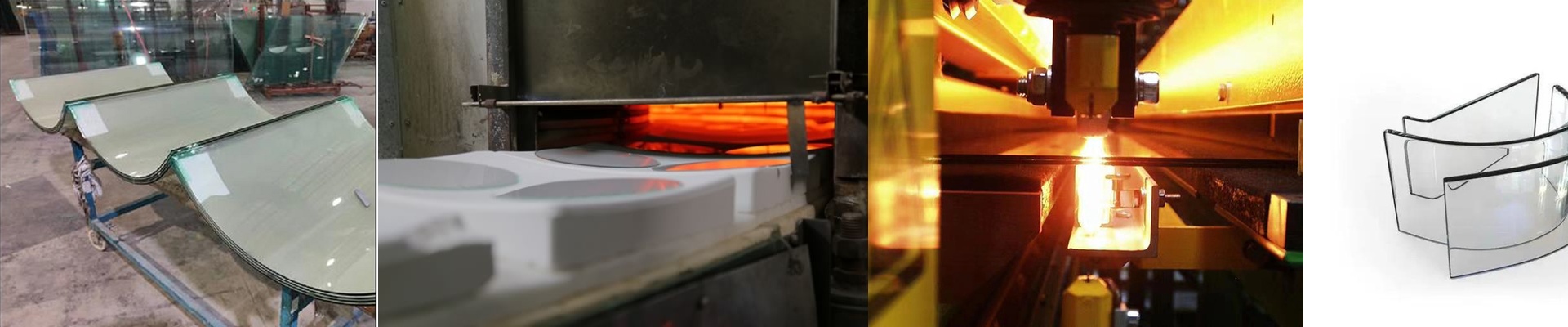
If you’re annealing glass bottles, you know the struggle. You need a steady, smooth temperature drop across the whole tunnel. If that gradient slips, you get internal stress, and that’s a recipe for disaster. The problem is that when your tunnel is massive, standard lamps just don’t do the job. They leave gaps. We solve that by building custom infrared heating units that stretch over 2 meters. No cold spots. Just a solid wall of heat. The trick to long-form tubes You can’t just take a standard filament and stretch it out; that’s how you end up with a tube that bows in the middle or just burns out completely. It’s a balancing act between voltage and wattage. We spend a lot of time dialing in the wattage per centimeter. Why? Because it keeps the heat consistent from one end of that 2-meter span to the other. Just a heads-up: make sure your power supply is beefy enough to handle the draw of these arrays. They pull a lot. Tough glass, smarter layouts We use heavy-wall quartz because glass plants are brutal environments. It’s hot, it’s chemically messy, and the equipment takes a beating. To avoid those annoying “heat stripes” you get with shorter lamps, we lay these out in a continuous line. It creates a smooth blanket of infrared energy. Plus, we use industrial-grade connectors so you don’t have to worry about the contacts oxidizing every time the system heats up and cools down. The trade-off (and how to handle it) Here’s the honest part: these units pack a massive punch, but they’re delicate. A 2-meter quartz tube is essentially a giant piece of glass. If it vibrates too much or gets bumped during install, it’s gone. Your mounting brackets have to be spot on. If they’re off by even a few millimeters, the tube can snap as it expands from the heat. It sounds picky, but it’s non-negotiable. Get the spacing right, fasten them securely, and they’ll run forever.