Stop Breaking Your Glass: A Better Way to Handle Thermal Shock
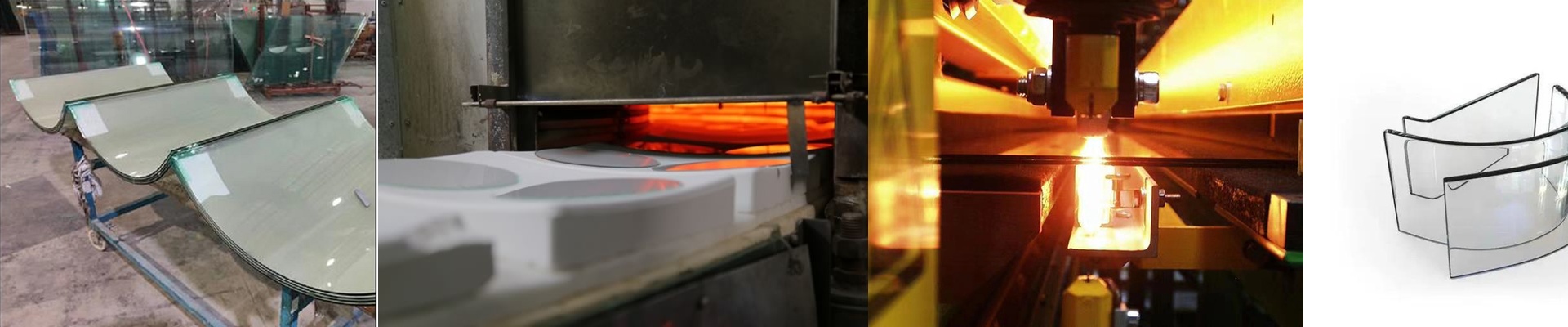
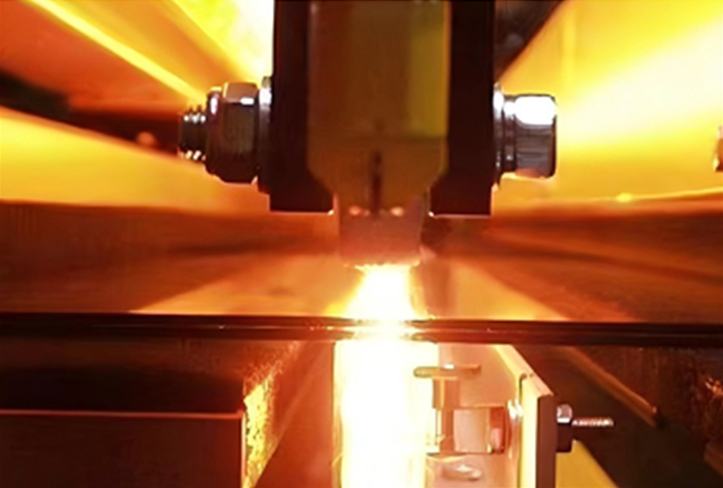
If you’ve ever worked in glassware production, you know the feeling. You’re running a line, everything looks good, and then—snap. A piece cracks. It usually happens because the heat hit too hard and too fast, or it didn’t drop off quickly enough. It’s a balancing act. To get tempering right, you need heat that reacts as fast as you do. That’s where our quartz infrared lamps come in. Why quartz? Here’s the thing: most heaters hold onto heat long after you’ve turned them down. That “residual heat” is what kills your glass. Quartz is different. It has very low thermal mass, meaning it doesn’t hang onto the heat. When you pair these lamps with a high-frequency SCR or PWM controller, you can swing the power up or down almost instantly. No more “overshooting” the temperature. No more stress fractures in your thin-walled pieces. The setup We use high-purity quartz because it lets the infrared light through without blocking it. We stick with short-wave emitters because they actually penetrate the glass. Instead of just baking the surface, the heat sinks deep into the material where it belongs. And because conveyor lines can be shaky, we build these with reinforced end-caps. They’re tough. They can handle the vibration without falling apart. A few things to watch out for Now, it’s not all magic. These lamps pull a lot of power, especially when you’re cycling them rapidly. You’ll want to make sure your power supply can handle that initial surge. Also, don’t forget the cooling. If your fans aren’t pulling heat away from the sockets, you’re going to fry your connectors long before the filament even thinks about burning out. But once you get it dialed in? It’s a relief. You can tighten your tolerances, stop worrying about the scrap pile, and just let the line run.