Keeping Your Bathroom Infrared Heaters Safe (And Dry)
Let’s be honest: putting a heater in a bathroom is a bit of a gamble. You’ve got steam everywhere, random splashes from the shower, and a lot of humidity. If water hits a live terminal, you’re looking at a short circuit—or worse. That’s why we aim for an IPX4 rating. In plain English? We want to make sure water can’t get inside the guts of the lamp, no matter which way it’s splashing.
Stopping the Leaks
Most standard lamps leave the spot where the wire meets the terminal wide open. In a steamy bathroom, that’s basically an invitation for condensation to settle in and fry the system. We don’t do that. Instead, we use high-temperature silicone seals to wrap those contact points. It’s like giving the electrical connections a waterproof raincoat. It creates a physical wall that keeps the moisture out and the current where it belongs. And please,double-check your grounding. If a seal ever does fail, you want your breaker to trip instantly. You definitely don’t want the actual fixture housing becoming live.
Picking the Right Stuff
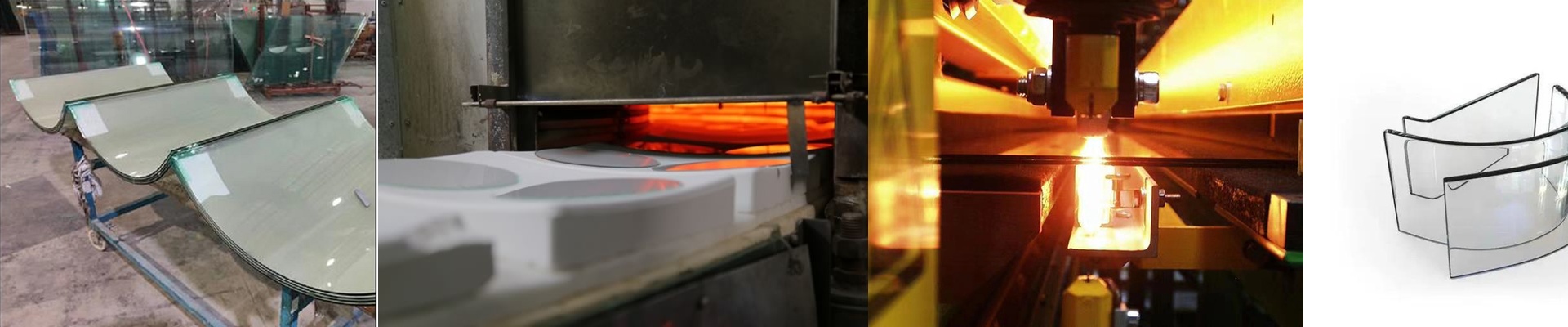
We use quartz glass for the heating element, but the housing is where things get tricky. To keep things safe, we use heat-resistant polymers for the brackets. This stops the wall itself from becoming part of the electrical path. Then there’s the wiring. This is usually where things go south. Standard PVC cables just can’t handle the heat and humidity; they crack or melt over time. We use fluoropolymer or silicone-jacketed cables instead. They stay flexible and intact, even when the lamp is cranking out max heat.
The Real-World Stuff
Here’s the thing: an IPX4 rating isn’t a magic shield. It doesn’t mean you can just slap the lamp up and walk away. If you use a standard open-air connection, you’ve basically wasted the protection the lamp provides. You’ve got to use moisture-proof junction boxes to keep the whole system tight. One last tip—keep an eye on your wattage. Higher wattage means more heat, and extreme heat can wear down seals faster than you’d think. It’s all about finding that sweet spot between a warm room and a seal that actually lasts.