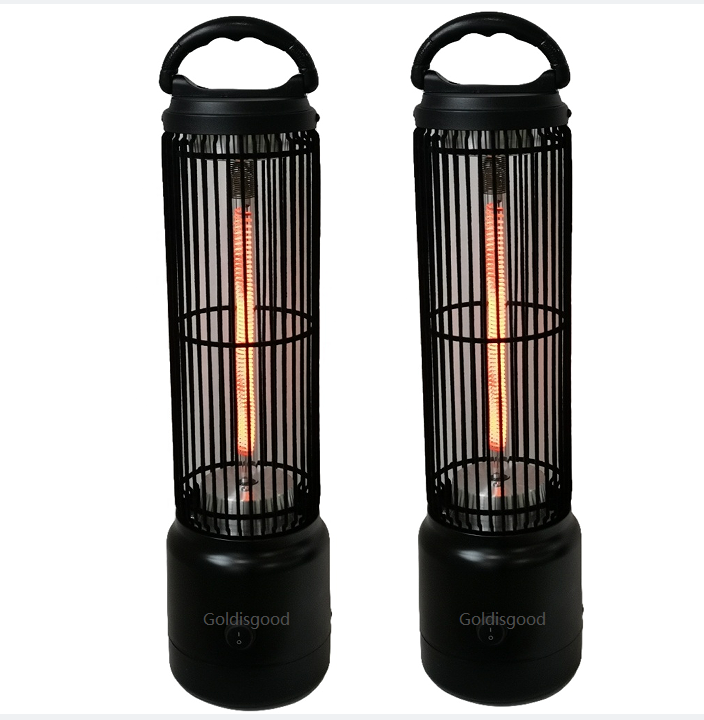
Why Your Bathroom Heater Doesn’t Just Explode
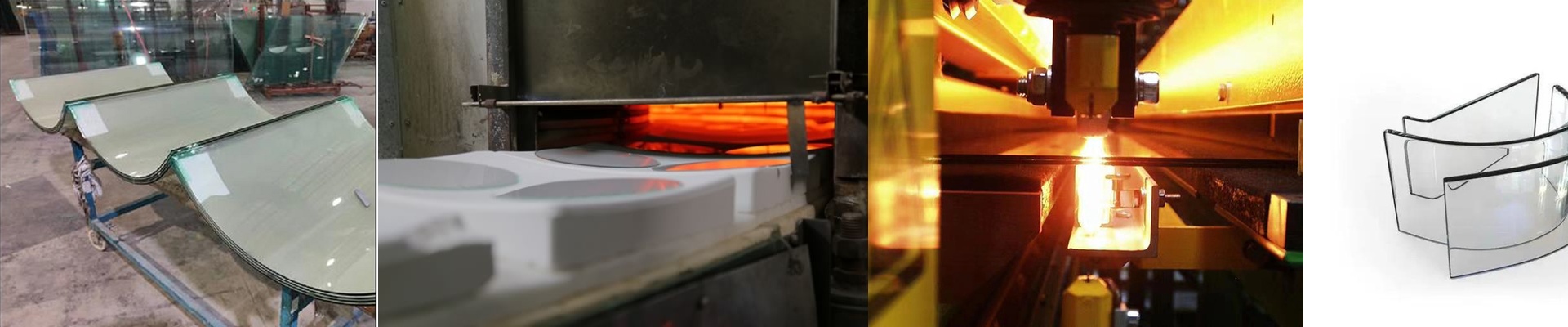
Ever wonder why some infrared lamps can survive a steamy bathroom while others would just… pop? It comes down to a nasty bit of physics called thermal shock. Imagine a quartz tube glowing at hundreds of degrees. Now imagine a few cold water droplets landing right on that glass. The glass shrinks instantly in those tiny spots, and crack—the whole thing shatters. Not exactly what you want happening while you’re stepping out of the shower. That’s why we use explosion-proof quartz. We treat the glass so it can handle those wild temperature swings without flinching. It’s basically the safety net. If the tube gives way, you’re looking at electrical shorts or, worse, glass shards on your bathroom floor. We make sure these tubes are tough enough to take the hit. Then there’s the heat itself. These lamps use short-wave infrared. Instead of wasting time heating up the air around you, the heat travels in a straight line. You feel it immediately. It’s that instant “ahhh” feeling the second you flip the switch. But since we’re talking about wet rooms, we can’t just plug them in and hope for the best. We seal the sockets tight. Steam is sneaky—it gets everywhere—so we isolate the wiring and connectors to keep the electricity and the moisture far apart. Here’s the thing, though: high heat comes with a price. These tubes put out a massive amount of energy. If you just shove one into a cheap plastic fixture, you’re going to melt something or scorch your ceiling. You need a housing that can actually take the heat. If the fit is too tight, the heat just builds up and kills the filament. It’s like trying to run a marathon while wearing a winter coat; you’re going to burn out fast. So, we obsess over two things: how much pressure the tube can take before it bursts and how waterproof those seals actually are. That’s the only way to make sure your heater keeps you warm without becoming a hazard.