Why Most Outdoor Heaters Die (And How We Fixed Ours)
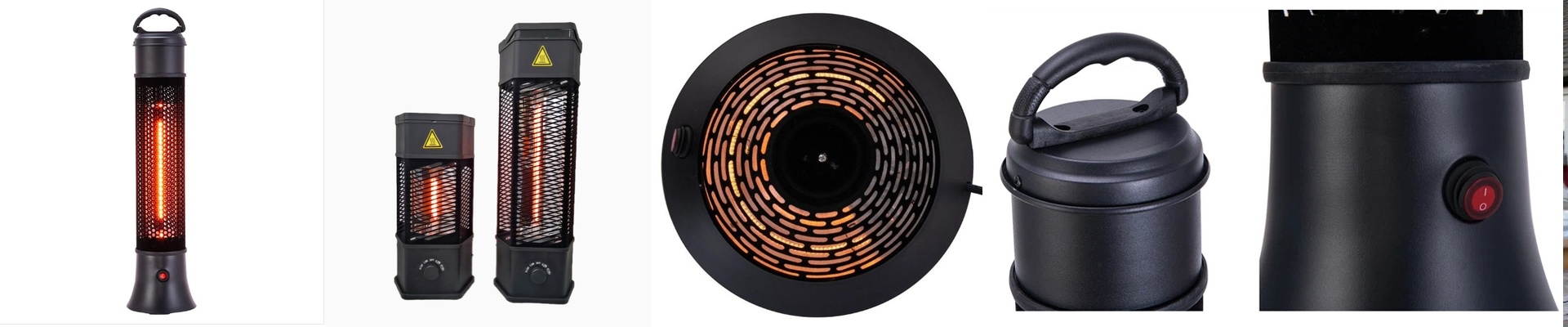
Let’s be honest: the outdoors is a nightmare for electronics. Between the humidity, the salt in the air, and those wild temperature swings, most standard heaters just can’t hack it. They usually burn out or short-circuit after a few seasons, leaving you with an expensive piece of scrap metal on your patio. We got tired of that. So we built our infrared heaters to actually survive the weather.
What “IP65” Actually Means for You
You’ll see “IP65” on the box, but forget the technical jargon for a second. What it really means is that we’ve built a fortress around the heating element. The “6” part means dust can’t get in. The “5” means if you hit it with a water jet from any angle, it won’t blink. We use heavy-duty gaskets and sealed cable entries to make sure water doesn’t sneak into the wiring. That’s usually where the corrosion starts, and once it does, it’s game over.
The Battle Against Condensation
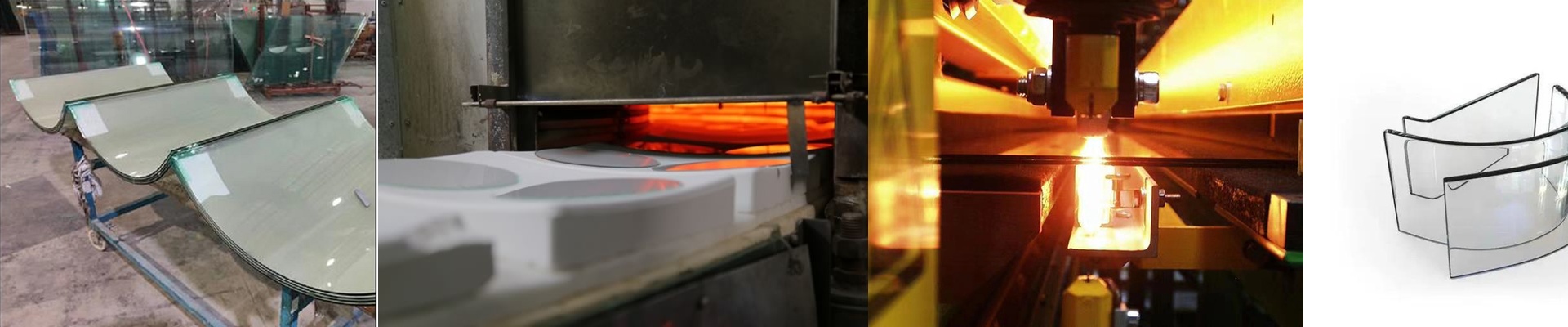
Here is the real killer: thermal shock. Imagine a glowing hot quartz tube hitting a wall of cold, damp mist. It’s a recipe for disaster. If a stray droplet hits that hot glass, it can crack the tube instantly. To stop that, we added specialized shielding and tweaked the airflow. It basically deflects the spray and keeps moisture from pooling around the connectors. It’s a simple fix, but it’s the difference between a heater that lasts a year and one that lasts a decade.
The Honest Trade-off
I’ll be straight with you—making something this waterproof comes with a price. The unit is a bit heavier. And because everything is sealed tight with gaskets, you can’t just pop the cover off in two seconds if you want to poke around inside. It takes a bit more effort to maintain. But honestly? I’d rather spend an extra ten minutes on maintenance once a year than have to replace the entire unit because the circuitry oxidized.
A Few Tips for the Setup
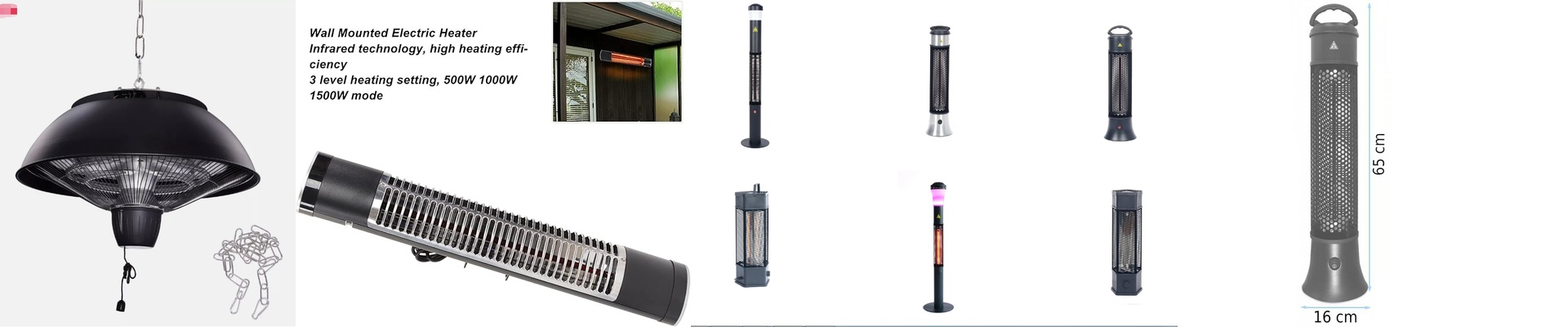
If you want these things to actually last, don’t cut corners on the wiring. Use high-temperature rated cabling. Even with a waterproof chassis, a sloppy connection at the junction box is a ticking time bomb. And one last thing: check your circuit breaker. Infrared lamps have a bit of a surge when they first kick on. Make sure your electrical panel can handle it so you aren’t running back and forth to the breaker box every time you want to warm up your guests.