Making High-Ceiling Heaters Actually Last
Putting infrared heaters up in a high ceiling is a bit of a nightmare. You’ve got moisture rising, condensation clinging to everything, and dust just settling wherever it wants. Usually, all that junk ends up right on the heating elements, and that’s when things start to break. We built our high-ceiling series specifically to stop that from happening.
The battle with condensation
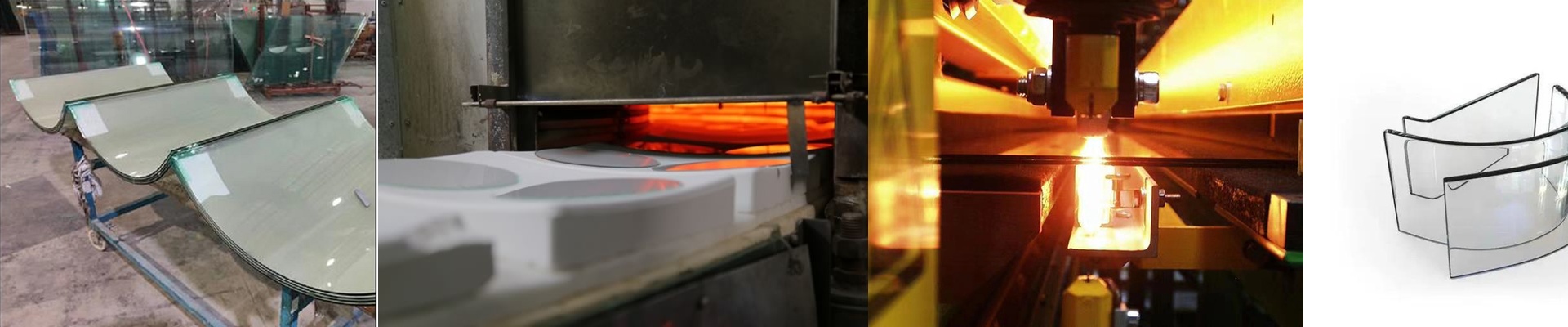
Here is the problem: when you mount a heater 6 to 10 meters up, it sits right in that awkward zone where warm, damp air hits the cold ceiling. It creates a fog. Then, you get water droplets landing on a scorching hot quartz tube. Pop. That’s thermal shock. The glass cracks, and your heater is dead. Simple as that. To fix this, we added an anti-fogging shield. Think of it as a thermal barrier. It keeps the moisture from ever touching the emitter. If the tube stays dry, it doesn’t crack. It’s the easiest way to stop lamps from burning out in humid warehouses.
Dealing with the mess
Industrial floors are gross. Between pressure washing and random steam leaks, water gets everywhere. And water and electrical connections? Not a great mix. We used splash-proof housings and tight gaskets to seal off the wiring. If water hits a live terminal, you get a short circuit and a tripped breaker. Our design just pushes the runoff away from the power inputs. It lets the unit take a beating in a wet environment without causing a blackout.
The honest trade-off
Now, I’ll be straight with you. Adding shields and gaskets does block a tiny bit of the heat. You lose a small percentage of that direct intensity compared to a totally naked tube. But here is why it’s worth it: you trade that tiny bit of heat for a massive jump in reliability. You spend way less time hauling a lift into the air to replace burnt-out lamps and more time actually keeping your crew warm. Just wire it up, set the timer, and forget it exists.