Stop Fighting with Your Glass Annealing
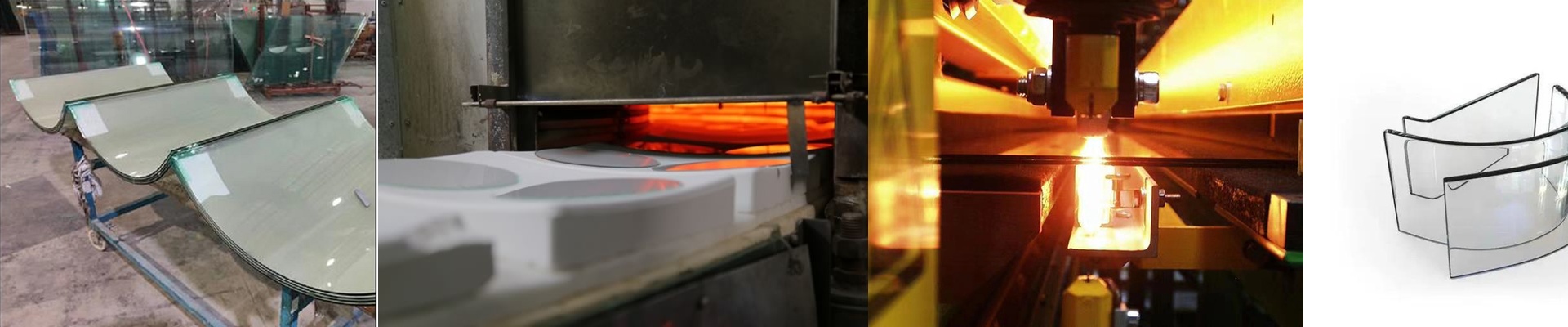
If your heat distribution is off, your glass is going to fail. Simple as that. Imagine one side of your glass sheet hitting 620°C while the other side is just hanging out at 590°C. That’s how you end up with optical distortion or those nightmare stress fractures. Usually, the culprit is “lamp drift.” It happens when your IR lamps claim to be the same on the label, but in reality, they’re putting out completely different wattages.
Getting the Heat Right
We stick with high-consistency shortwave IR lamps because they hit the glass surface directly. When you’re running batches, a 10% difference between Lamp A and Lamp B is a disaster. That’s where your cold spots come from. We tighten those tolerances so every single tube in the array is pushing out the same amount of energy. Once the heat density is even across the whole conveyor, the glass softens exactly the way it should.
The Hardware Side of Things
We use high-wattage quartz halogen tubes. The big plus here is speed. You get a rapid ramp-up, meaning you aren’t wasting energy heating up the entire oven shell just to get the glass hot. But here’s the catch: pushing that much power into a small space means your electrical panels have to be ready for the surge. If your wiring is too thin, you’ll get voltage drops. And if that happens, all that precision you paid for goes right out the window.
Making it Work in Your Shop
The good news? These lamps are basically drop-in replacements. We use standard connectors, so you can swap them out quickly during downtime without a headache. One thing to watch out for, though. These lamps are picky about voltage. If your factory’s power grid is a bit jumpy, you’re going to need a dedicated stabilizer. Even the best lamp in the world can’t fix dirty power. Get your electricity steady, and the lamps will take care of the rest.