Keeping Your Bathroom Mirror Heaters from Becoming a Hazard
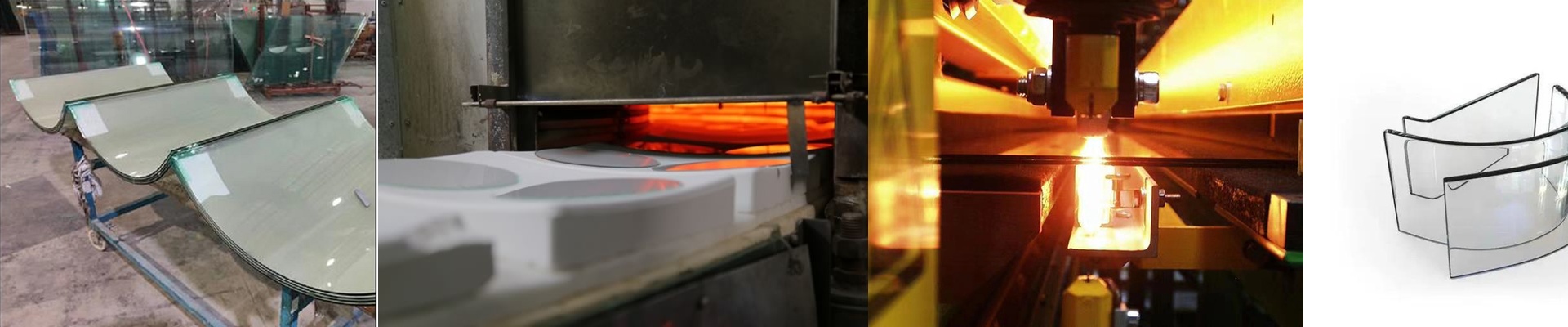
Putting heating lamps behind a bathroom mirror sounds simple, but you’re basically placing electronics in a steam room. It’s a recipe for disaster if you aren’t careful. Water vapor loves to find a way in, and once it does, it creates a path for electricity to go where it shouldn’t. That’s how you end up with short circuits or, worse, a nasty shock. To keep things safe, we focus on two big things: the barriers and the connections. The Glass Barrier We use quartz glass tubes for a reason. The glass keeps the tungsten filament safe and insulated. But here’s the catch: you have to be obsessive about the surface of that tube. One tiny micro-crack—something you might not even see—is all it takes for moisture to sneak inside. Once that happens, the heater is basically a ticking clock until it burns out. We make sure our heaters can handle being completely drenched in condensation without breaking a sweat. The Danger Zone: Terminations If these things fail, it’s almost always where the wires meet the lamp. I can’t stress this enough:**don’t use open-air connections.**If you just use standard clips, the humidity will eat through the insulation in no time. Instead, we use sealed ceramic end-caps or potted connectors. It keeps the moisture from jumping the gap between the live wire and the mirror frame. We also throw on some adhesive-lined heat-shrink tubing to seal everything tight. It’s the only way to be sure. Finding the Sweet Spot It’s tempting to go for the highest wattage possible so the fog disappears instantly. But there’s a trade-off. Too much heat in a tight space is a problem. You could actually crack the mirror glass or melt the adhesive holding everything together. You have to play a balancing act between the wattage, the size of the mirror, and how much air is actually moving behind the bracket. And for peace of mind? Make sure your GFCI is rated for the load. In a damp bathroom, that little reset button is your best friend.