Stop the Bathroom Mold Struggle
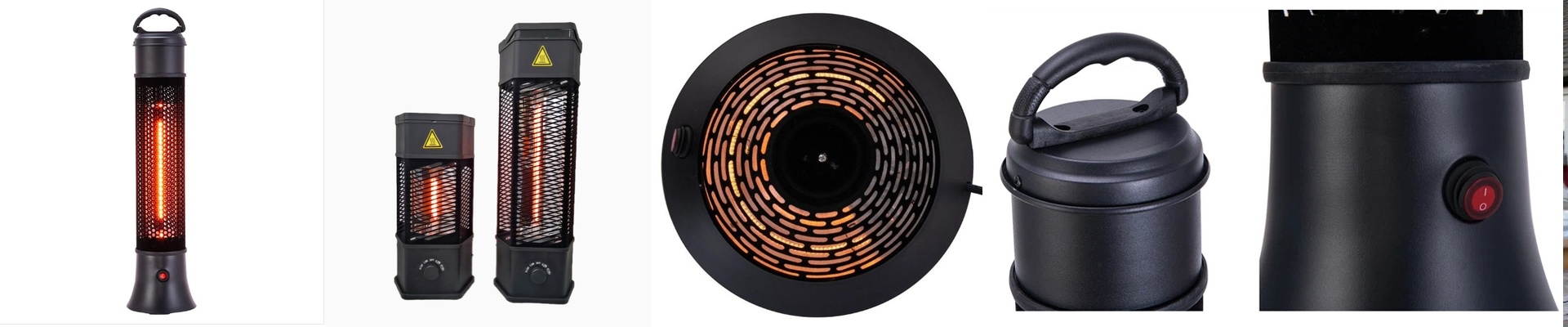
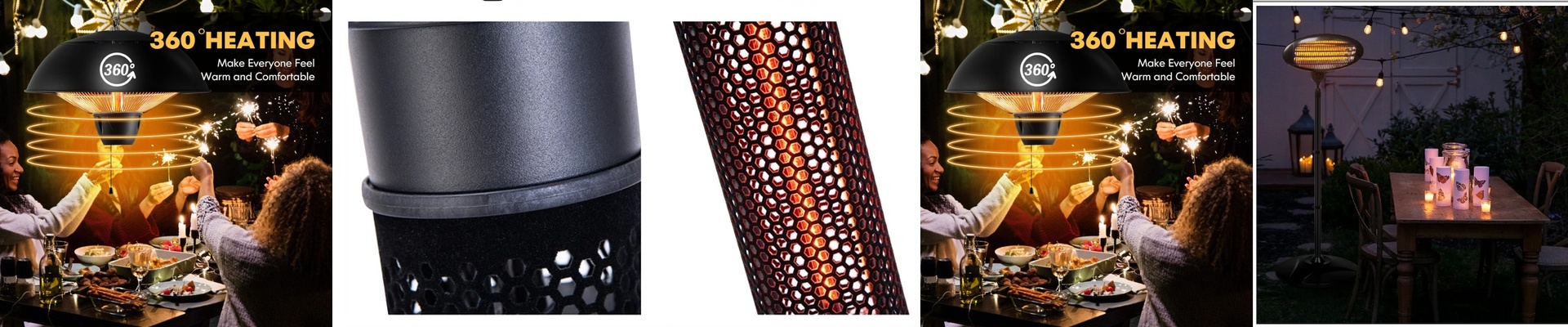
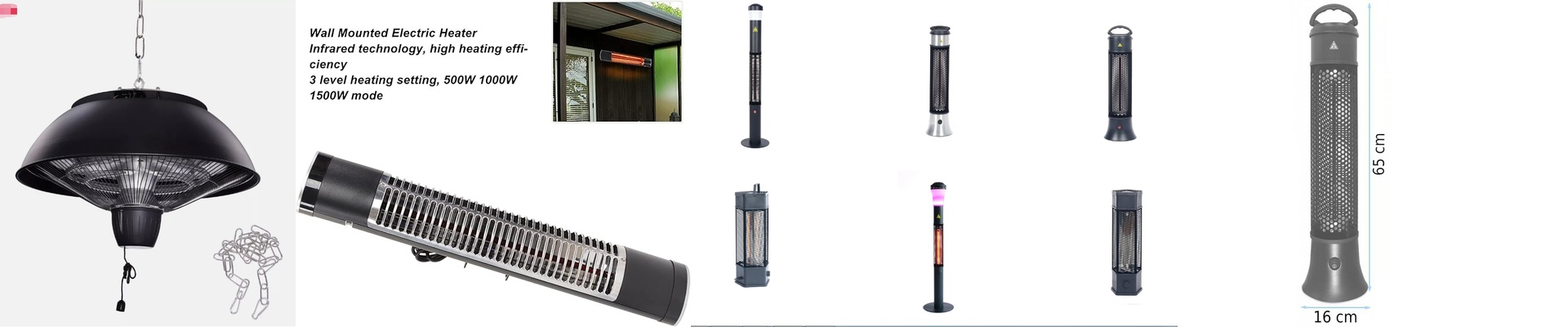
Ever noticed how your bathroom stays damp for hours after a shower? You’ve got the fan running, but the corners of the ceiling and the grout lines still feel tacky. That’s where the trouble starts. Mold loves that damp, porous stuff. Our ceiling infrared heaters aren’t just about keeping you warm while you’re naked. They’re actually designed to hunt down moisture.
How it actually works
Most heaters just warm up the air. The problem is, that warm air hits a cold wall, turns into condensation, and you’re right back where you started. Infrared is different. It doesn’t mess with the air; it goes straight for the surface. Think of it like the sun hitting your skin on a clear winter day. The heat penetrates the wall or ceiling, keeping the surface warm enough that water simply can’t settle there. **No standing water, no mold.**It’s that simple.
Getting the moisture out
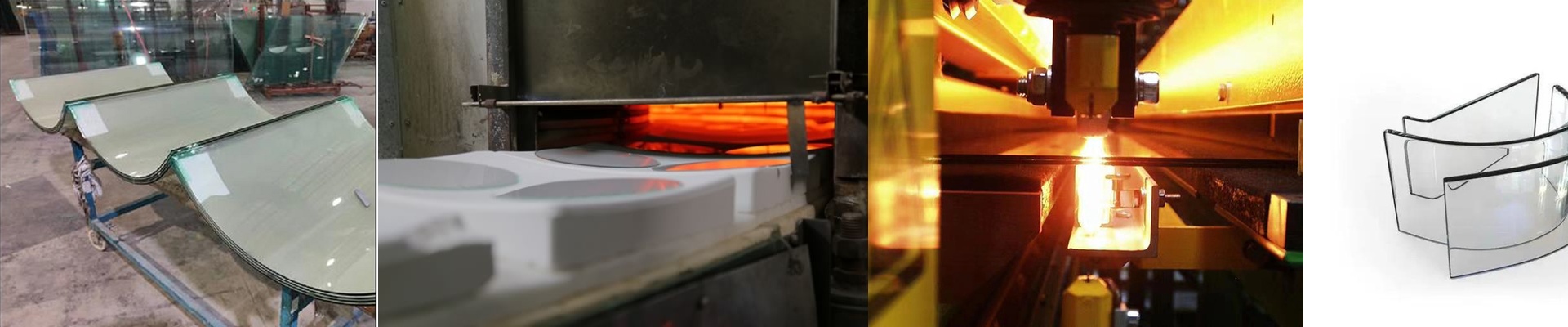
We use high-wattage quartz elements to get things moving fast. When that infrared energy hits a damp spot, it basically nudges the water droplets to evaporate. It’s a tag-team effort. The lamp dries the surface, and your exhaust fan kicks that vapor out of the house.
A few things to keep in mind
Now, you can’t just throw the most powerful lamp you can find into a tiny powder room. Short-wave infrared is intense. If the wattage is too high for a small space, it can feel overwhelming—or worse, it might actually stress out your ceiling materials. You’ve got to find the sweet spot between the lamp’s power, the size of your room, and how well your fan breathes. My advice? Pair the heater with a timer or a humidity sensor. That way, it does the hard work of drying everything out and then shuts off on its own. You don’t have to think about it.