Why Your Glass is Breaking (and How Better Heaters Fix It)
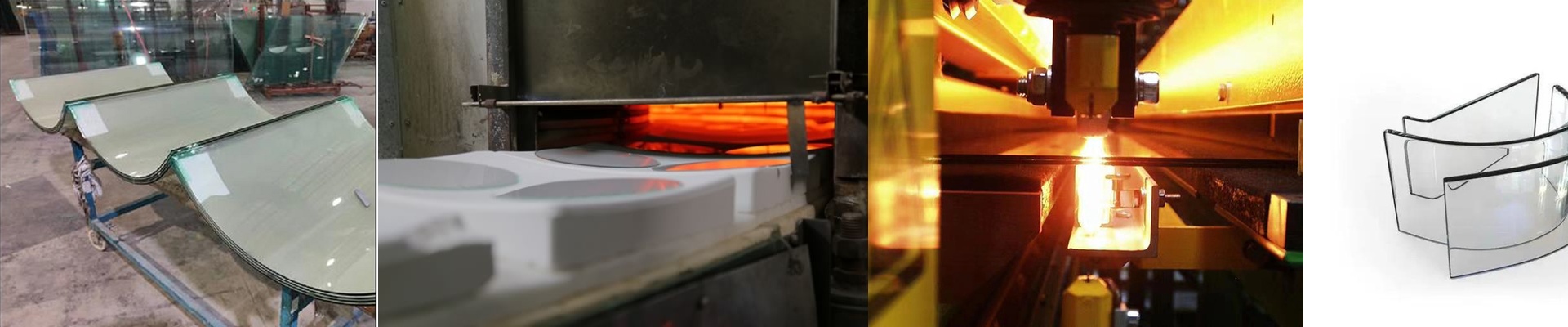
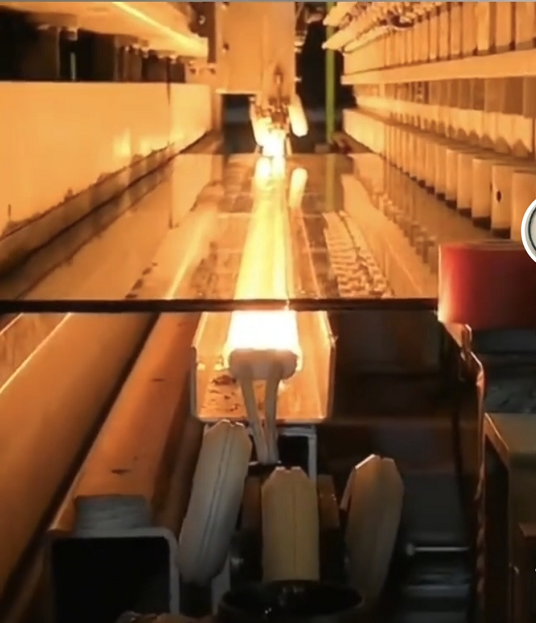
Glass annealing is all about precision. But here’s the thing: if your heating lamps aren’t pulling their weight equally across the bank, you’re going to have a bad time. You get these annoying hot spots and cold zones that you can’t see until it’s too late. In batch processing, that’s a recipe for internal stress and shattered glass. And don’t let anyone tell you a fancy PID controller can save you here. If the hardware is inconsistent, the software is just guessing.
The deal with Medium Wave output
We lean toward medium wave quartz tubes for a reason. They dig deeper into the glass than short-wave lamps, but they aren’t energy hogs like long-wave systems. The real headache is wattage tolerance. Imagine one tube is rated for 1000W but only puts out 920W, while the one right next to it is cranking out 1080W. Now your temperature profile is all over the place. The glass cools at different speeds, and that’s where the trouble starts.
Getting that heat uniform
If you want to stop the instability, you need lamps that actually play nice together. We spend a lot of time obsessing over filament winding density and the purity of the quartz. Why? Because low-quality quartz clouds up. Once that happens, your heat transfer tanks. When you wire up a bank of these heaters, you’re looking for a flat thermal map. No peaks, no valleys. Just steady heat. But a word of warning: if you try to cram too much heat into a tiny space, you’re risking a burnout the second your voltage spikes. Your power supply needs to be rock solid, or you’ll be replacing tubes way more often than you’d like.
What this actually does for your glass
When your infrared emission is uniform, every single piece in the batch hits that annealing point at the exact same time. It takes the guesswork out of your cycle times. You stop relying on “lucky” batches and start getting the same result every single time you run the oven. The glass relaxes evenly, and you can finally stop worrying about those random stress fractures popping up after the pieces leave the lehr.