How to actually get your bathroom warmth right
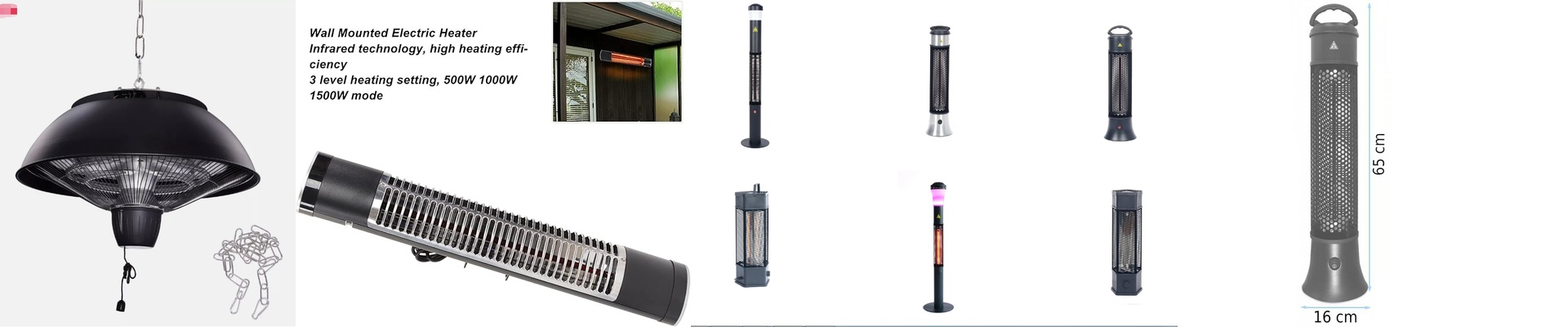
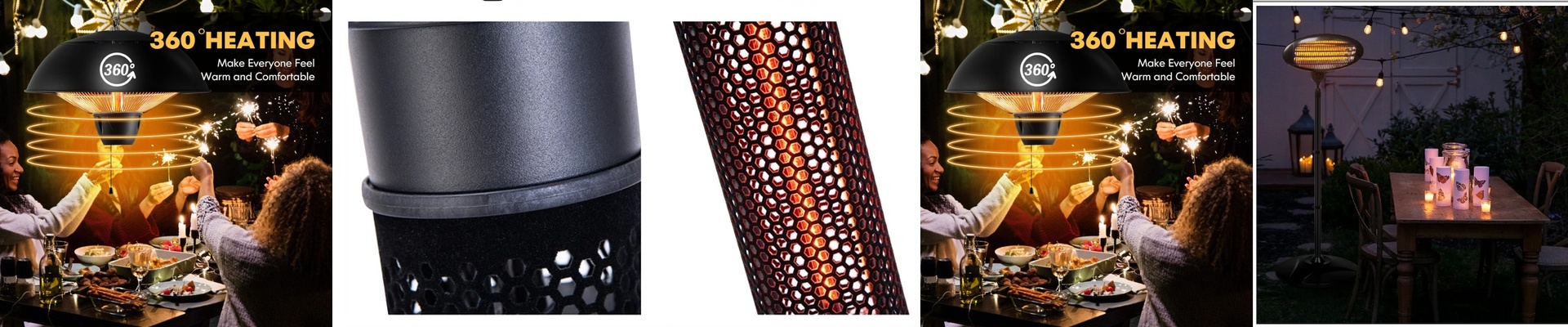
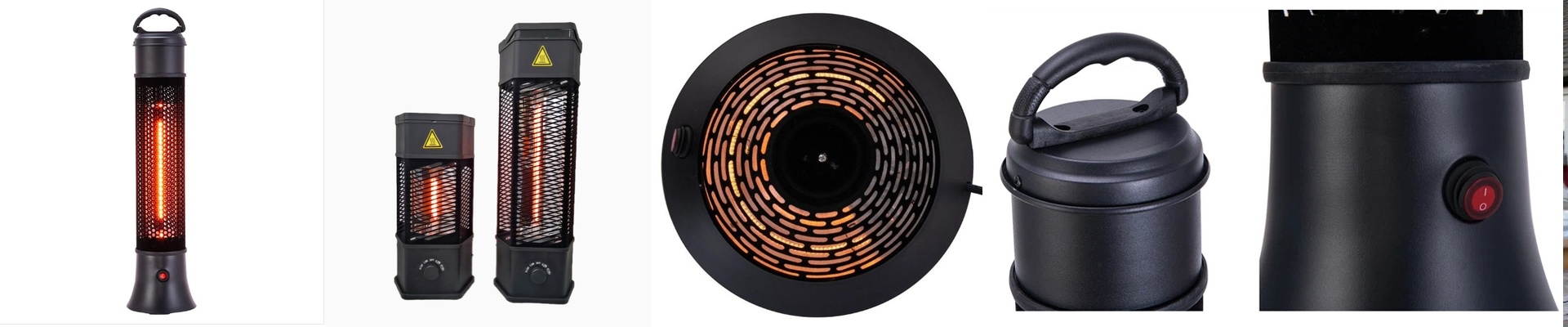
Picking a heater isn’t about grabbing the one with the biggest number on the box. If you do that, you’re just wasting money—or worse, making your bathroom feel like a sauna. The trick is looking at how much space you’re actually trying to heat and how much warmth your walls leak. We stick with shortwave infrared lamps because they don’t bother heating up all the air in the room. Instead, they warm you and the surfaces around you directly. It’s much more efficient.
Finding your wattage
You’ve got to match the power to the size of the room. If you’re dealing with a tiny powder room (under 4m²), a 250W to 400W lamp is usually plenty. For the bigger bathrooms—think 6m² to 10m²—you’ll want something beefier. Either go for one high-wattage unit or a few lamps that add up to about 800W to 1200W. But be careful. Go too high, and you might burn out the lamp or melt the mounting fixture. Go too low, and you’ll end up with those annoying “cold spots” where the heat just doesn’t reach. I usually calculate the BTUs and then throw in an extra 10% just in case the room is a bit drafty.
Why the mirror coating matters
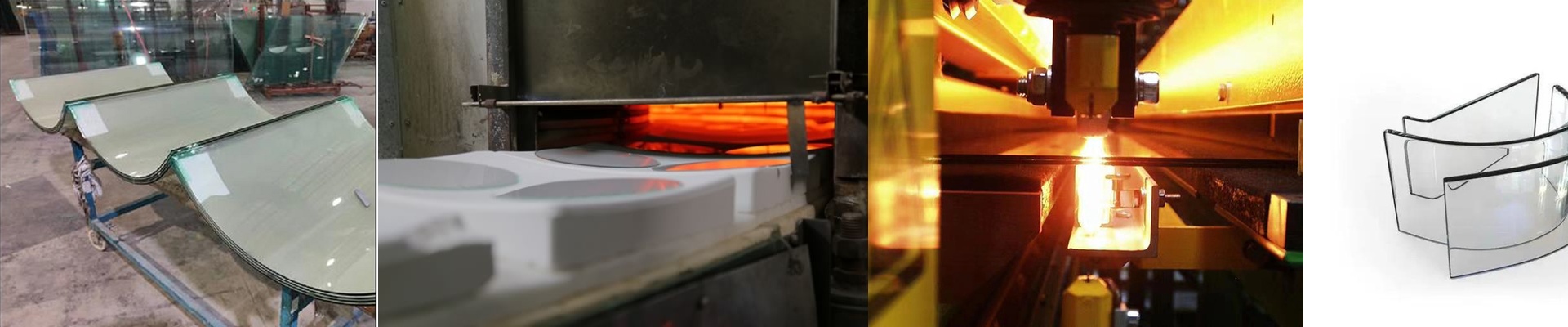
Most quartz tubes waste a ton of heat by sending it backward. That’s why we use mirror-coated lamps. They bounce all that energy forward, right onto you. You get a much denser, warmer feel without having to crank up the electricity bill. Most of these use R7s or similar snap-in connectors, so swapping them out is a breeze. Just do me a favor: check your socket voltage before you plug everything in. If you put a 230V lamp into a 110V circuit, you’re not going to feel a thing.
The real-world trade-offs
Sure, high-wattage lamps heat up fast. But there’s a catch. The heat can feel “harsh.” If you put a 1000W lamp in a tiny space, it can feel scorching if you’re standing too close. You have to find that sweet spot with the installation height so it feels cozy, not oppressive. One last thing—keep an eye on your wiring. High-wattage setups can pull a lot of power, and if your circuit isn’t built for a continuous load, you’ll be tripping your breakers all morning.