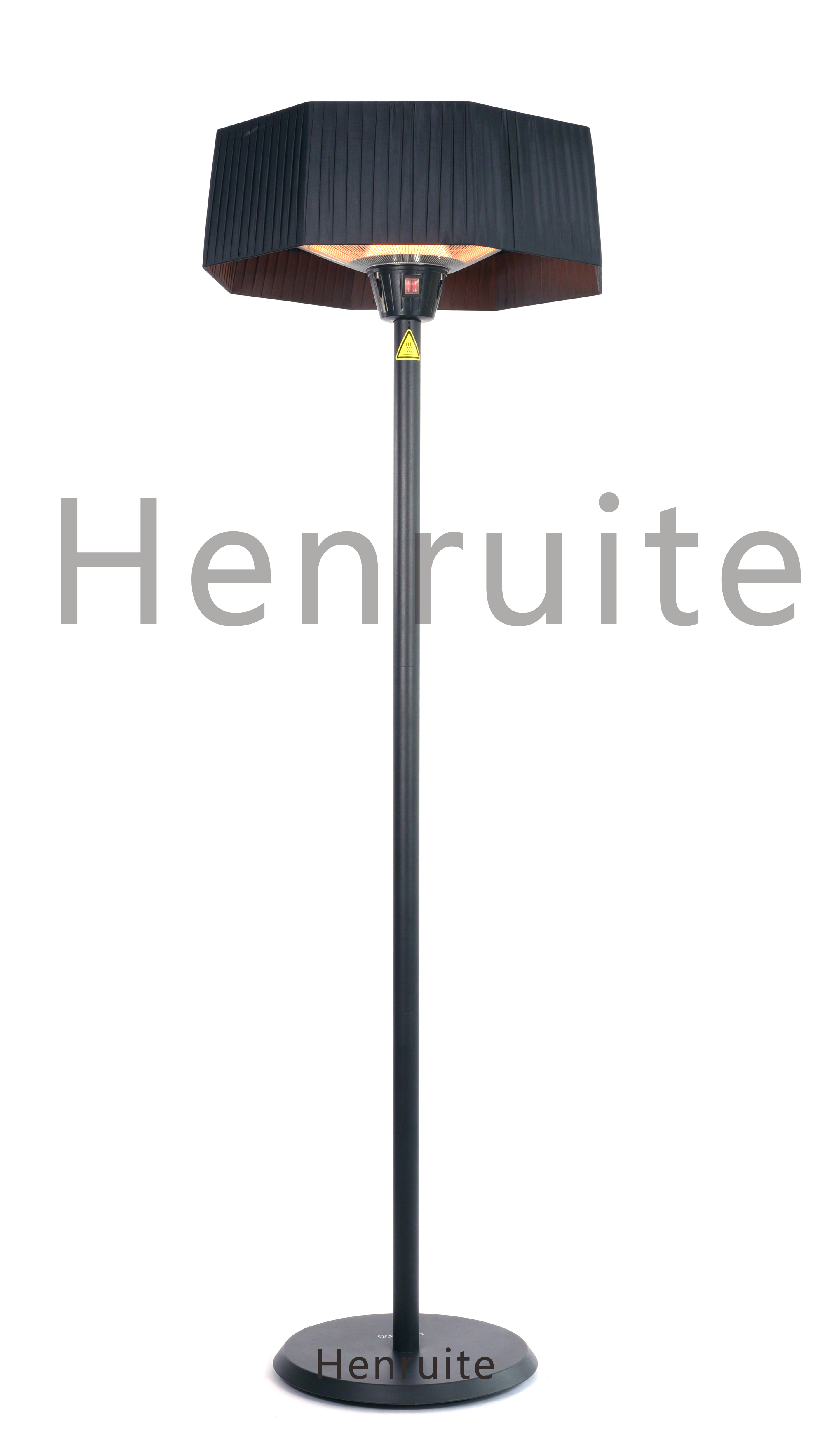
Why Your Bathroom heater Needs Explosion-Proof Quartz
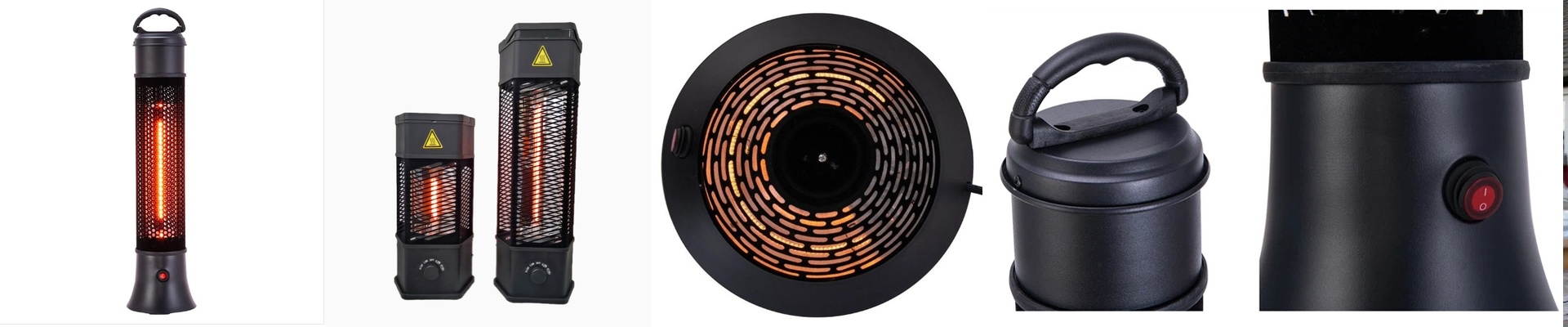
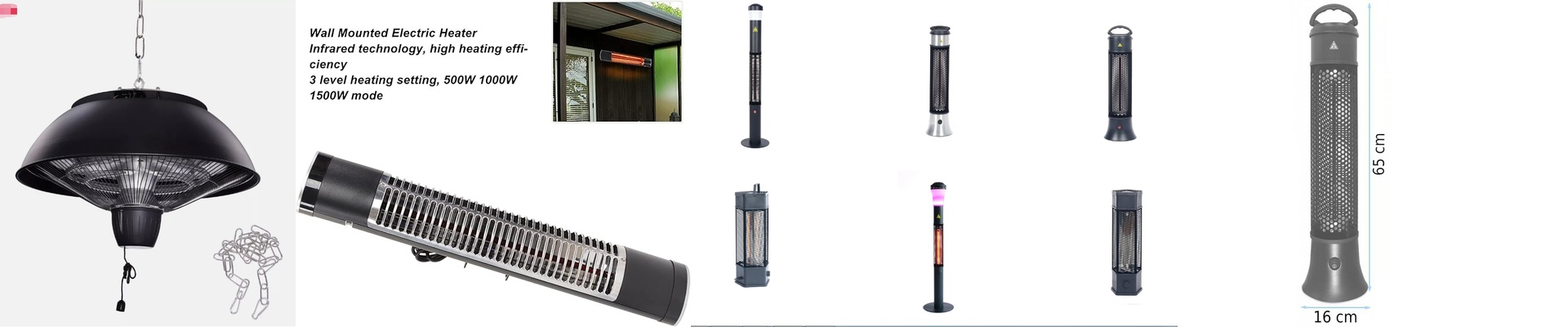
Putting an infrared heater in a shower or bathroom is basically a gamble with electricity and water. Most standard heaters just aren’t built for it. To keep things safe, we lean on IP65-rated housings and something called explosion-proof quartz tubes. Here is why that actually matters.
The “Pop” Factor
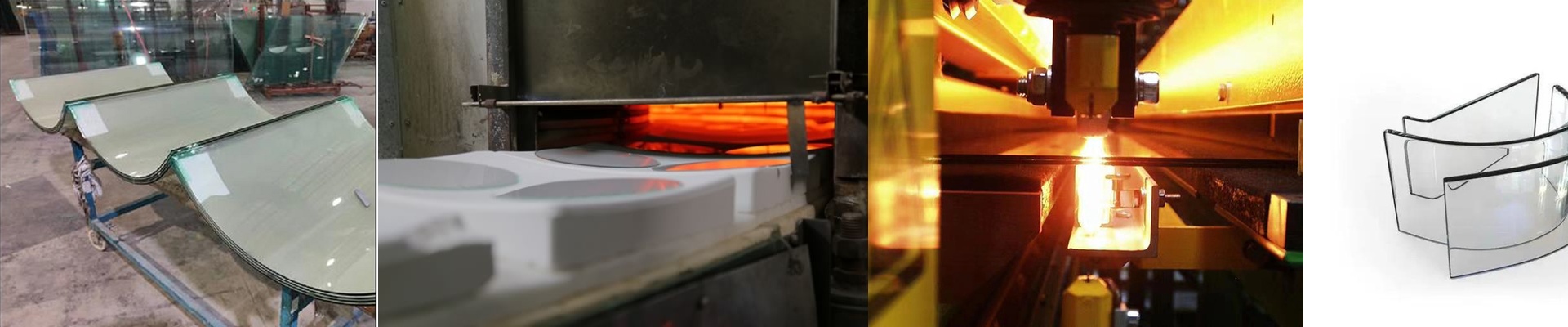
Think about a red-hot quartz tube. Now imagine a single, cold drop of water hitting it. That’s thermal shock. In a cheap heater, the glass just snaps. Once that happens, the tungsten filament inside hits the air and moisture, and—pop—your heater is dead. Or worse, it shorts out. That’s where the explosion-proof stuff comes in. These tubes are built to handle those wild temperature swings. And if one does happen to break? It doesn’t shatter into a million tiny needles falling on your head. It’s designed to hold together or break in a way that keeps you safe.
The Trade-off: Keeping Water Out vs. Letting Heat Out
An IP65 rating is great because it means the unit is sealed tight against dust and water jets. But there’s a catch. When you seal a heater that tightly, the heat has nowhere to go. It gets trapped. If we don’t get the heat sink and the chassis materials just right, the unit will cook itself from the inside. You’ll end up melting your wiring or tripping the thermal cutout every ten minutes. It’s a delicate balance.
A Quick Warning on Installation
Don’t just plug these into any old circuit and hope for the best. Infrared heat needs a lot of juice to work instantly. If your wiring gauge is too thin, you’ll get voltage drops. **Check your breaker first.**If you’re swapping an old unit for a higher-wattage one without upgrading the wires, you’re essentially building a fire hazard in your wall. It’s not worth the risk. Just take five minutes to make sure your electricity can actually handle the load.