
Stopping the Chip: A Better Way to Cut Glass
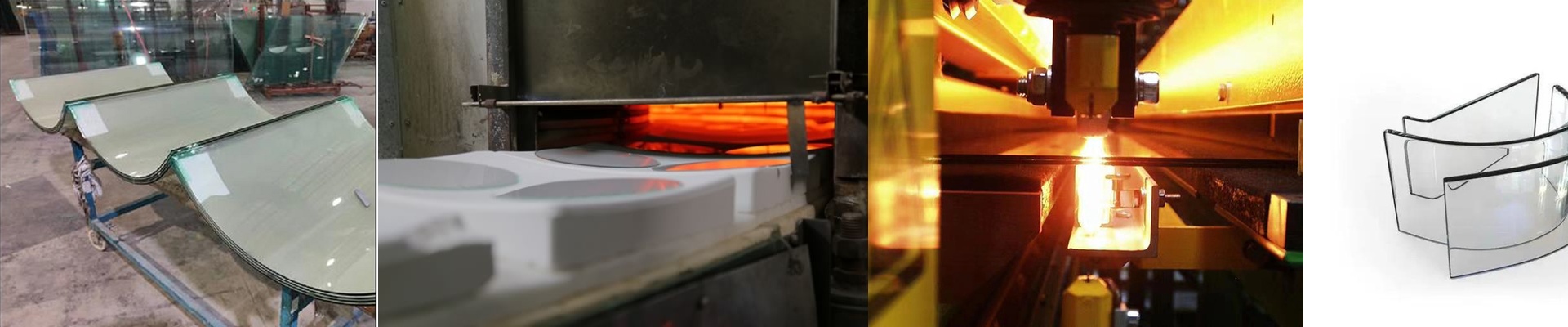
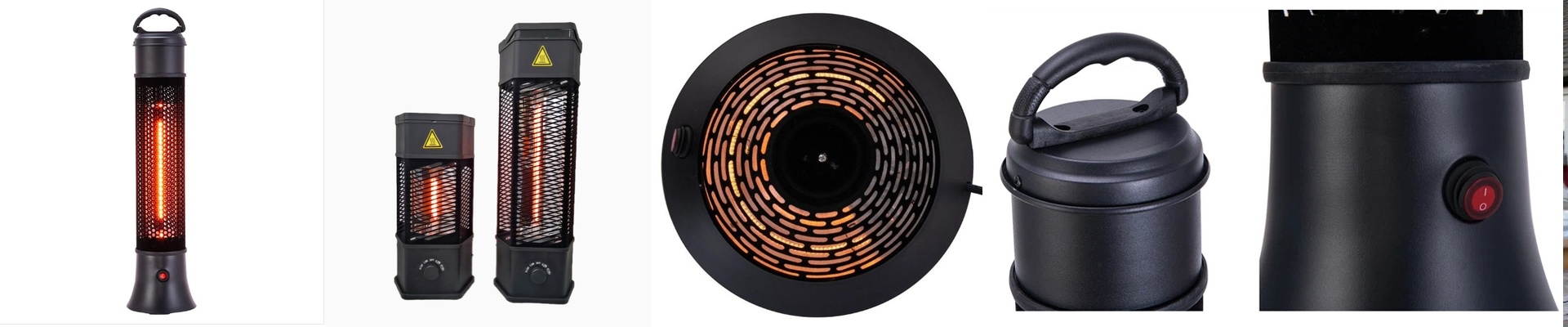
If you’ve spent any time running a CNC glass line, you know the frustration of “corner breakout.” You’re running at high speeds, everything seems fine, and then—bam—you get those annoying little chips right where you don’t want them. It happens because glass is just too stiff and brittle at room temperature. It can’t handle the stress of the cutting wheel, so it snaps in ways it shouldn’t. To fix this, we use infrared (IR) preheating lamps. We basically warm up the glass surface right before the blade hits it. It softens the material’s reaction to the pressure, which means the glass breaks cleanly and you spend way less time throwing scrap in the bin. The trick with the heat We stick with shortwave infrared lamps for these lines. Why? Because unlike a heater that just warms the air, IR radiation sinks into the glass fast. The goal is to get the temperature just right. When the glass is warmed up, the internal tension drops. Instead of the crack branching out into a messy chip, it follows the score line perfectly. It’s a much smoother process. The gear you’ll actually use Most of our setups rely on quartz halogen tubes. They hit hard and heat up fast, which is exactly what you need when the line is moving. We usually wire them with R7s or SK15 connectors. It makes life easier because when a tube eventually burns out, you can just pop a new one in and get back to work. But you have to be careful with your wattage and voltage. They need to match your line speed. If you crank up the wattage to get more heat, you’re putting more strain on your power supply. And here’s the risky part: if you push too much heat without speeding up the conveyor, you can actually over-stress the glass. That’s how you end up with spontaneous fractures, which is the last thing you want. A few things to watch out for IR lamps work great, but they gethot. I mean really hot. Make sure your housing and wiring are rated for high temps. If they aren’t, you’ll be looking at melted insulation pretty quickly. Also, spend some time dialing in the distance between the lamp and the glass. If it’s too close, you’ll get hot spots. Too far, and the glass stays too cold to stop the chipping. It takes a bit of tweaking, but once you hit that sweet spot, it just works.