
Stop Your Glass From Cracking: The Secret to Better Preheating
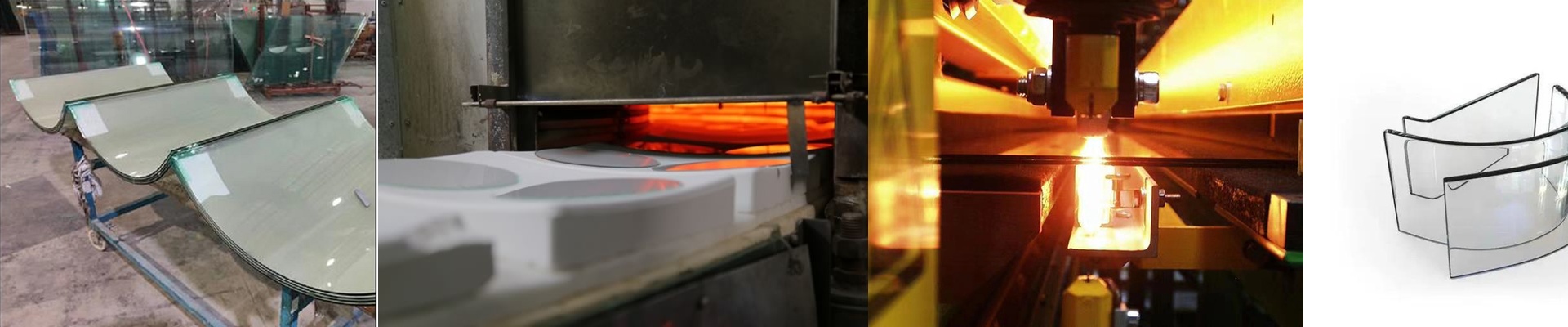
If you’ve ever worked with cold glass, you know the nightmare. You’re cutting it, you’re moving it along, and then you hit it with a sudden blast of heat during tempering. Crack. Just like that, your piece is scrap. It’s all about thermal shock. When the outside of the glass heats up way faster than the inside, the stress just rips the material apart. To fix this, we use shortwave infrared (IR) lamps. But not just any lamps—we use the ones that can change power levels in a heartbeat.
Why “Instant” Heat Matters
Most heaters are slow. They have this annoying “thermal lag” where they take forever to warm up or cool down. Shortwave IR is different. It reacts to voltage changes almost instantly. We’re talking milliseconds. This is huge because it lets you dial in the heat flux perfectly based on how thick your glass is. Instead of a violent spike in temperature, you get a smooth, uniform rise. The “skin” of the glass and the core stay in sync, and your breakage rate plummets.
The Nitty-Gritty Hardware
We usually go with high-watt density filaments. Why? Because nobody wants a machine that takes up half the factory floor. These keep the footprint small without sacrificing power. For the connections, we stick to R7s or SK15. They’re simple. If a lamp burns out, you can swap it in seconds without having to rewire the whole array. It keeps the line moving. One quick warning on the electronics: these run on high-voltage circuits to get that intense radiation. Make sure your SCR or PID controller can actually handle the wattage. If you try to push a 2500W tube through a cheap, under-spec’d board, you’re just going to fry your electronics.
The Stuff They Don’t Tell You
Here’s the thing: these lamps put out a massive amount of heat. Not just toward the glass, but everywhere. You can’t just bolt these into a metal box and call it a day. If your cooling system isn’t up to the task, the heat soak will actually warp your lamp housings. Once that happens, your focal point shifts, and your heating becomes uneven again. And one last tip? Keep your reflectors clean. It sounds simple, but a layer of dust or grime can kill your efficiency by 20% or more. Give them a wipe, and you’ll see the difference immediately.