Stop Fiddling with Tubes: Why Modular Infrared Heating Just Makes Sense
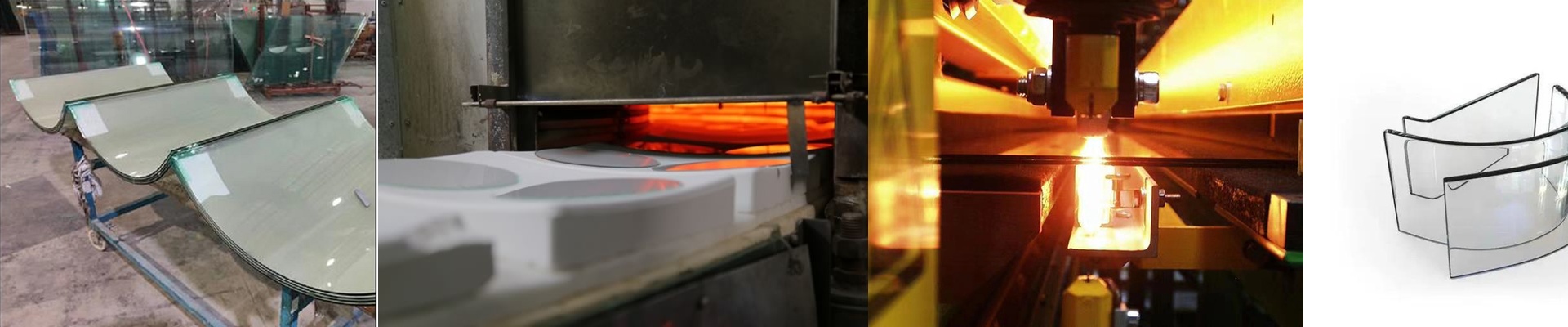
Buying a single infrared lamp is the easy part. Anyone can do that. But trying to wedge that lamp into a precision glass-bending line? That’s where things usually get messy. If you’re annealing spectacle glass, you know the stakes. One wrong move with your heat profile and you’ve got stress fractures. It’s a headache you don’t need. That’s why we stopped just selling parts and started building integrated heating modules. You basically just drop them into your machine, wire them up, and you’re done. The logic behind the module Think of it this way: a lamp is just a heat source, but a module is a whole system. We do the heavy lifting for you. We look at the curvature of your glass and pick the quartz envelopes and filament densities that actually fit the job. Because the lamps are already set in a fixed assembly, you don’t have to guess about spacing. No more sending a technician in to manually align tubes—which, let’s be honest, usually just leads to annoying hot spots or uneven annealing. You get a steady, consistent glow across the whole zone. The nuts and bolts We use high-grade quartz so your lamps don’t just burn out the moment you start cycling them continuously. We also tweak the voltage and wattage to match your specific power grid, so your ramp-up speeds are exactly where they need to be. The best part? We handle the wiring and the reflector positioning. You can stop building custom jigs in your shop. Just bolt the module in and get back to work. Real talk about the shop floor Modular systems save a ton of labor. You stop burning man-hours on installation and actually start pushing more product through the line. But, there’s a catch. Modular units take up more room than a few loose tubes. You’ll want to double-check that your machine frame has enough clearance for the housing. Also, keep an eye on your cooling fans. If they aren’t sized for the total wattage of the module, you’re going to cook your surrounding electronics. We’ll give you all the thermal data you need so you can get your cooling right the first time.