Making Bathroom Heaters That Actually Make Sense
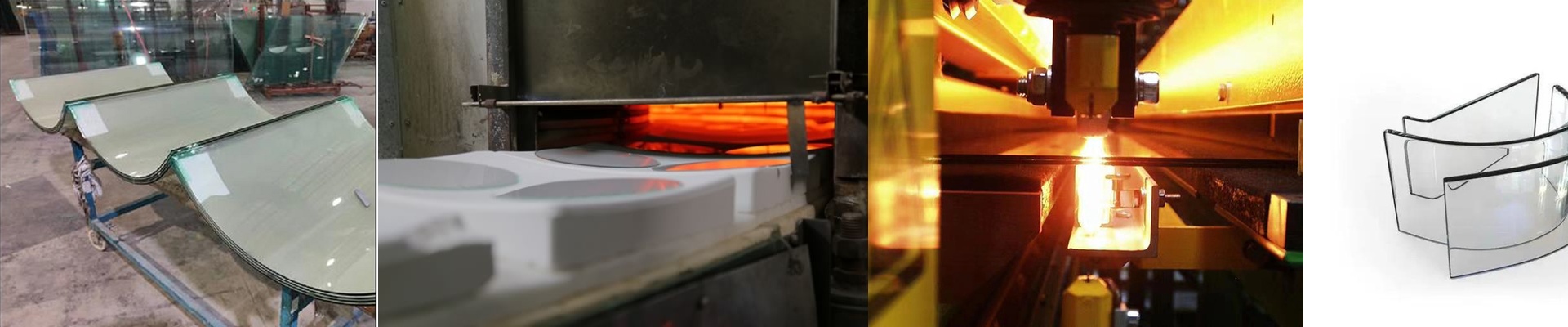
Designing a heater for the bathroom is always a bit of a balancing act. You want it to get hot—fast—but you can’t just toss a standard infrared tube into a box and call it a day. Especially if there are babies or toddlers around. You need warmth that feels good on the skin, but not a light that feels like a flashlight pointed directly at your eyes. Dealing with the damp Let’s talk about the water. In a shower, moisture is everywhere. That’s why we stick to an IPX5 rating. In plain English? It means the unit can take a jet of water from any angle and keep on ticking. We use heavy-duty silicone gaskets and sealed cables to keep the water away from the electrical bits. Because if that seal lets go, you’re looking at a short circuit or a rusty housing. Nobody wants that. Saving your eyes Most cheap infrared lamps are just… aggressive. They blast out a broad spectrum of light that can be way too harsh for sensitive eyes. To fix this, we use quartz glass with special coatings. Think of it like a filter. It blocks those blinding blue-light peaks but lets the cozy, long-wave heat slide right through. You get the warmth, but the light stays soft. No more squinting every time you turn the heat on. Heat vs. Hardware To keep the filament from burning out, we use high-purity quartz tubes. They get incredibly hot to make sure the room warms up quickly. But that creates a new problem: the housing. Since the heat is so concentrated, we use treated steel or heat-resistant aluminum for the reflectors. If we didn’t, the whole thing would just warp. Here’s the trade-off: by filtering the light to protect your eyes, the lamp isn’t quite as “bright.” You lose a little bit of light, but you gain a lot of safety. In a bathroom, that’s a trade I’ll make every single time. Just a quick tip—double-check that your mounting brackets can handle the wattage. You don’t want your chassis sagging after a few months of use.