Stop the Shivers: Why We Preheat Glass Before Cutting
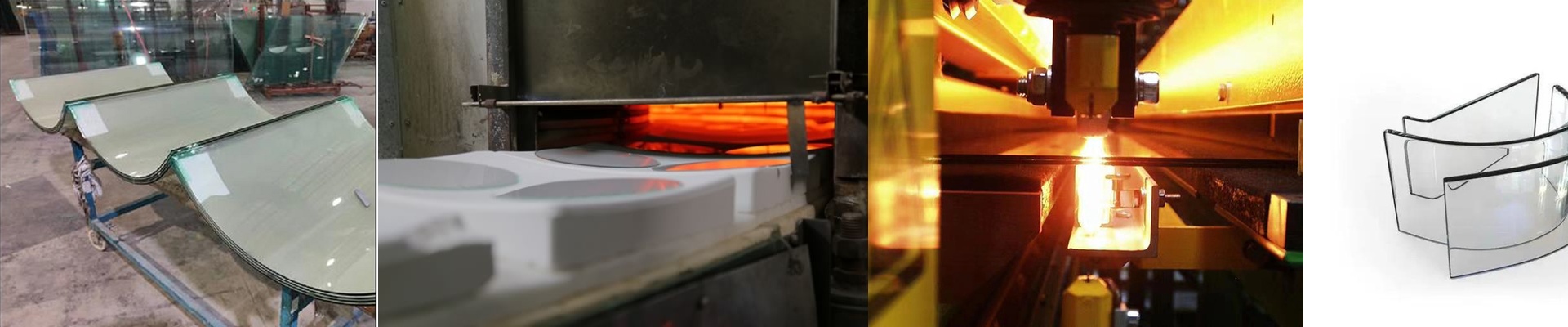
Cutting cold glass is a bit of a gamble. You’re dealing with a lot of internal stress, and when that diamond wheel hits the surface, things can go sideways fast. If the glass is too cold, the break doesn’t always follow the line. You end up with those annoying “chips” or “shivers” along the edges that ruin a perfectly good piece. To fix this, we use infrared (IR) preheating. It basically calms the material down before it ever touches the cutting head. The logic is pretty simple. Glass doesn’t move heat around very well. When you score it, you’re creating a tiny, intense point of stress. By hitting the surface with short-wave infrared radiation, we warm it up just enough to relax the surface layer and drop that internal tension. The result? A clean, crisp snap. No jagged edges. Just a straight line. How we actually do it We usually set up high-wattage quartz IR lamps in a tunnel. The cool thing about these is that they shoot heat directly into the glass rather than wasting time heating up all the air in the room. It’s much faster. But you can’t just crank the heat to max. If you dump too much power into a small area, you’ll actually create new thermal stresses. You might end up cracking the glass before it even reaches the cutter. The trick is matching your conveyor speed to the lamp’s output. You want a steady, even warmth across the whole sheet. A few things to watch out for on the floor If you’re installing one of these, check your power first. These lamps pull a lot of current. If your wiring or breakers aren’t up to the task, you’ll be spending your afternoon resetting switches. And a heads-up: quartz tubes are fragile. One bad vibration or a clumsy bump from a worker and—pop—there goes your lamp. Stick some guards on them, but keep them clean. If dust builds up on the lens, the heat can’t get through. Not only does that mess with your efficiency, but it can actually cause the lamp to burn out way sooner than it should.