Stop Your Borosilicate Glass From Cracking
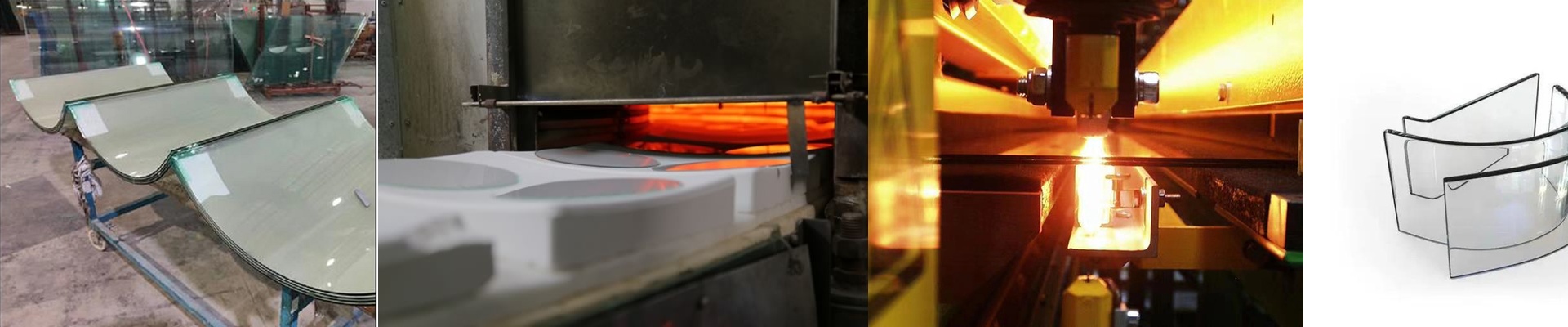
Working with borosilicate glass is a bit of a balancing act. You need the temperature to climb exactly right. If you slam it with too much heat too quickly—or let it cool down too fast—you’re going to hear that dreaded crack. We’ve found the best way to handle this is with shortwave infrared lamps. The secret isn’t just the heat; it’s how fast you can control it.
Why Speed Matters
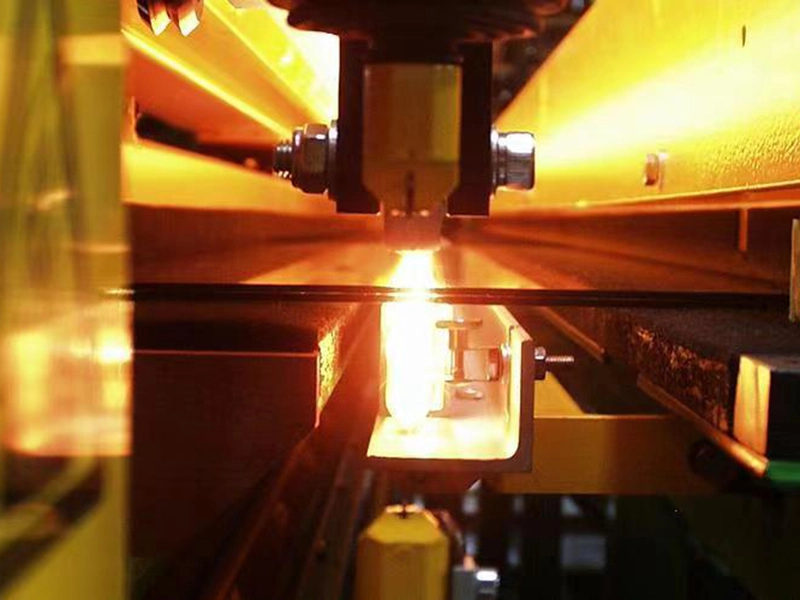
When you’re in the “flash” heating or tempering phase, you can’t afford to wait for a slow heating element to catch up. It’s just too sluggish. Shortwave IR lamps are different. They react almost the second you tweak the voltage. By pairing them with a Thyristor (SCR) power controller, you can dial the wattage up or down in milliseconds. It’s incredibly precise. This keeps the temperature consistent across the whole piece, so the core and the surface heat up together. No tension, no stress, no broken glass.
The Gear
We usually go with high-wattage density lamps to keep the setup compact. These quartz halogen tubes don’t just bake the surface; the energy actually sinks into the borosilicate structure. One quick tip: make sure your lamp length matches your conveyor width perfectly. If you have “cold spots,” you’ll get uneven stress, and you’re right back to square one with cracked product.
The Catch (And How to Fix It)
These lamps are easy to install—they basically drop right into most industrial arrays. We use heavy-duty connectors because the current is high, and nobody wants melting terminals. But here’s the thing: these lamps put out a lot of heat. If your ventilation isn’t up to the task, you’re in trouble. If your blowers can’t pull that ambient heat away from the housing, you’ll end up frying your wiring or ruining your reflectors. You have to find that sweet spot between IR intensity and active airflow. Keep the equipment cool, and the glass will reach tempering temperature without the hardware cooking itself.