Why Most Bathroom Heaters Die (And How We Fixed Ours)
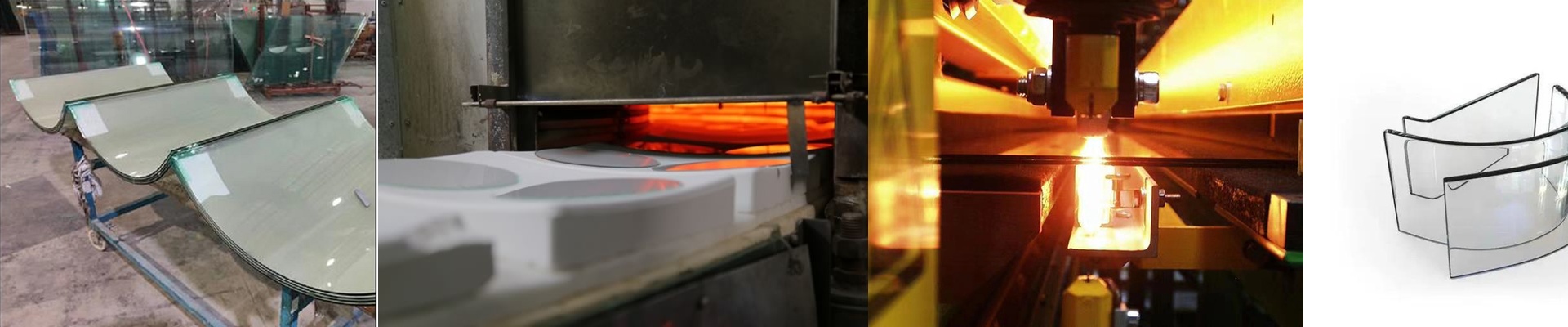
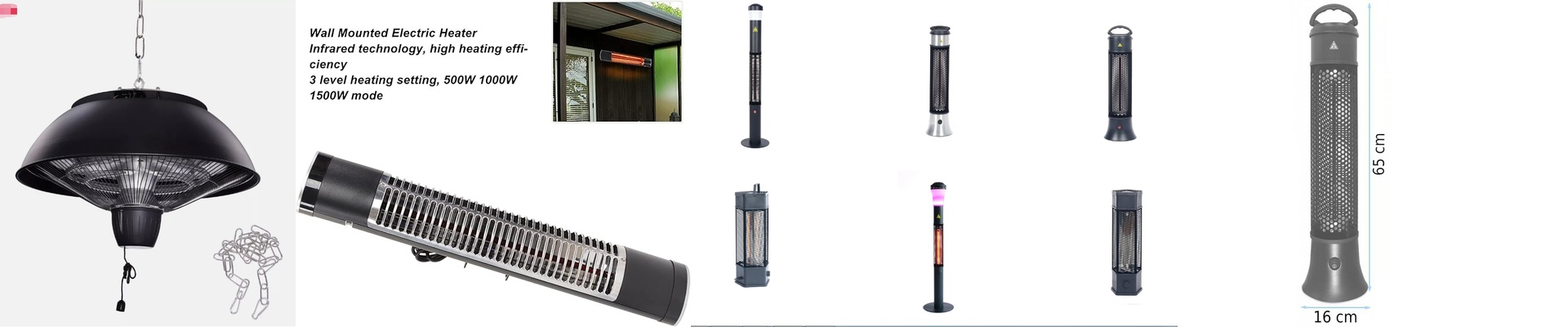
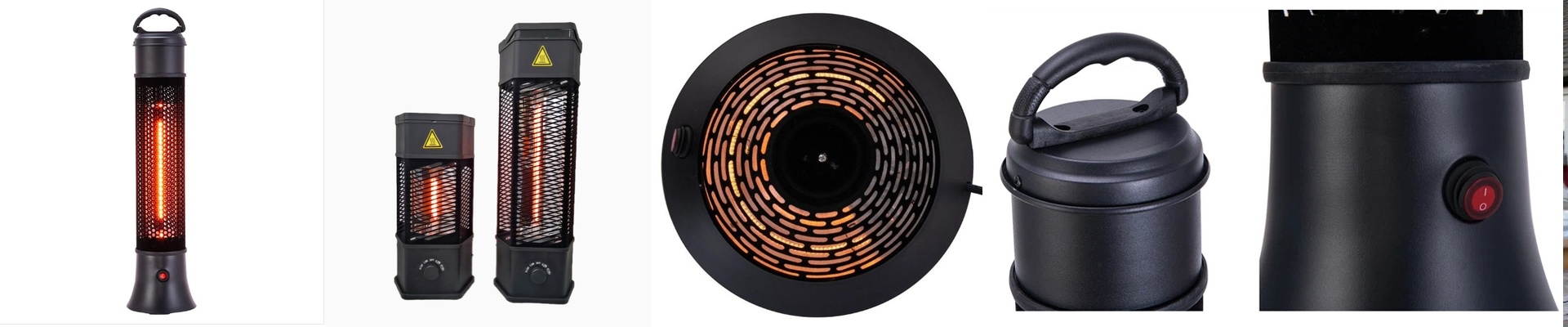
Let’s be honest: bathrooms are a nightmare for electronics. You’ve got steam everywhere, random splashes of water, and those wild temperature jumps when you step out of a hot shower into a cold room. It’s a recipe for a short circuit. We wanted to build an infrared heater that actually lasts, instead of something that burns out the second things get humid. The battle against steam Here’s the thing about vapor. It doesn’t just sit there; it finds its way into everything. In most heaters, moisture sneaks into the housing, eats away at the terminals, and eventually kills the machine. To stop that, we sealed the whole chassis with heavy-duty gaskets. But we also had to deal with the lens. If the glass fogs up, the heat can’t get out. That doesn’t just make the room colder—it actually traps the heat inside the unit, which fries the lamp. We tweaked the airflow and the glass temperature so the lens stays clear. No fog, no overheating, no dead heater. Keeping the water out Then there are the splashes. A direct hit of water is usually what causes a heater to go dark forever. We used high-grade, water-tight enclosures and something called compression glands where the wires enter the unit. Basically, it stops water from “crawling” down the cable and straight into the electrical guts. We even coated the internal reflectors so they don’t rust or oxidize over time. The trade-off Now, there was a catch. When you seal something this tight, it can’t “breathe” as easily. To keep it from cooking itself, we had to beef up the internal heat sink and switch to a higher-grade quartz glass that can take a lot more thermal stress than the cheap stuff. Because of that, the unit is a little bit bigger than some of the slim models you’ll see. But honestly? We’d rather it be an inch wider if it means you don’t have to replace it in two years. We built this to take a beating in a wet environment and just keep working.