
Getting the Heat Right for Advanced Glass R&D
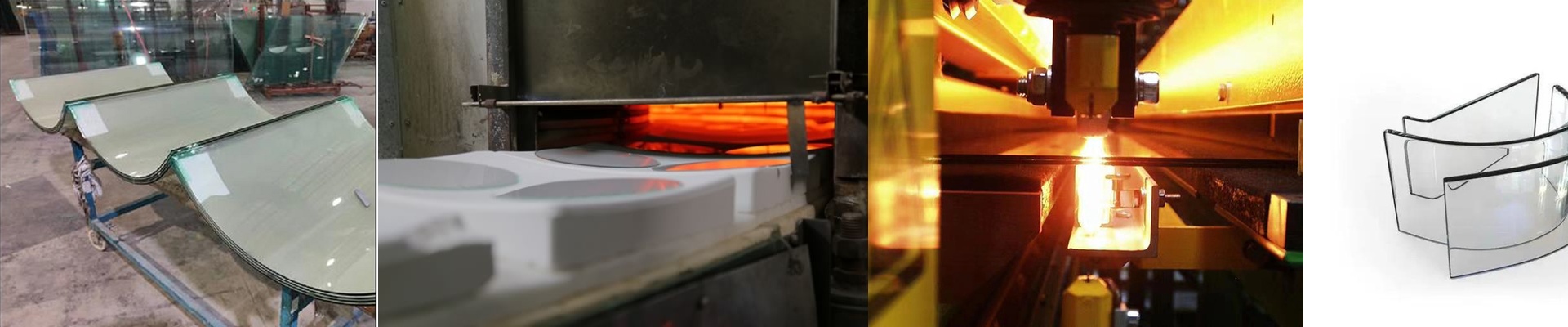
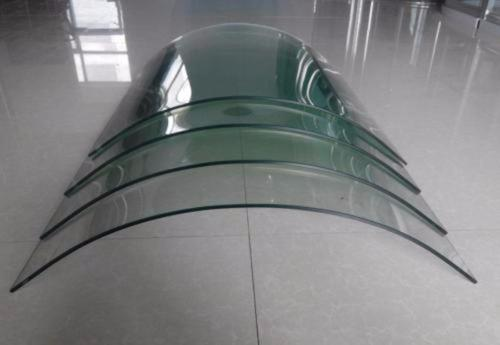
Most heaters are built to be uniform. They push the same amount of heat everywhere. But if you’re working with marine glass tempering, “uniform” is usually the wrong way to go. When you’re messing around with new glass composites or safety glass for boats, the way heat moves across the sheet is everything. It’s what decides how the glass stresses and, eventually, how it breaks.
It’s Not Just About Size
Most vendors will ask you for the length and the wattage. That’s fine for basic jobs. But we look at power density. By changing how we wind the filaments and how we space them, we can build “hot zones” or “tapered zones” right into a single heater. This means you can actually control the heat flux across the surface. If your material is finicky and needs a slow ramp-up to avoid cracking from thermal shock, we just put the power exactly where the physics need it. No more, no less.
Real Freedom for Your Lab
We treat R&D setups differently. You tell us exactly how many watts per square centimeter you need for your specific glass thickness. This isn’t some “plug-and-play” box. It’s about making sure the heater’s output actually matches how your material handles heat. We can even shift the heat load to make up for the energy you lose at the edges of the oven. That way, the center and the edges hit the softening point at the exact same time.
The Trade-off: Speed vs. Wear and Tear
Here’s the catch. If you push a ton of wattage into a tiny footprint, you get faster cycles and a much tighter thermal profile. It’s great for throughput. But it’s hard on the equipment. You’re putting a lot of stress on the heating elements, so you’ll be replacing them more often. Plus, your cooling system has to be up to the task. If it can’t handle the extra heat in the air, your control electronics are going to fry. We’ll sit down with you and figure out the sweet spot—where you get the aggressive heating you need without spending all your time on maintenance.