Keeping Your Outdoor Tables Full When It’s Freezing
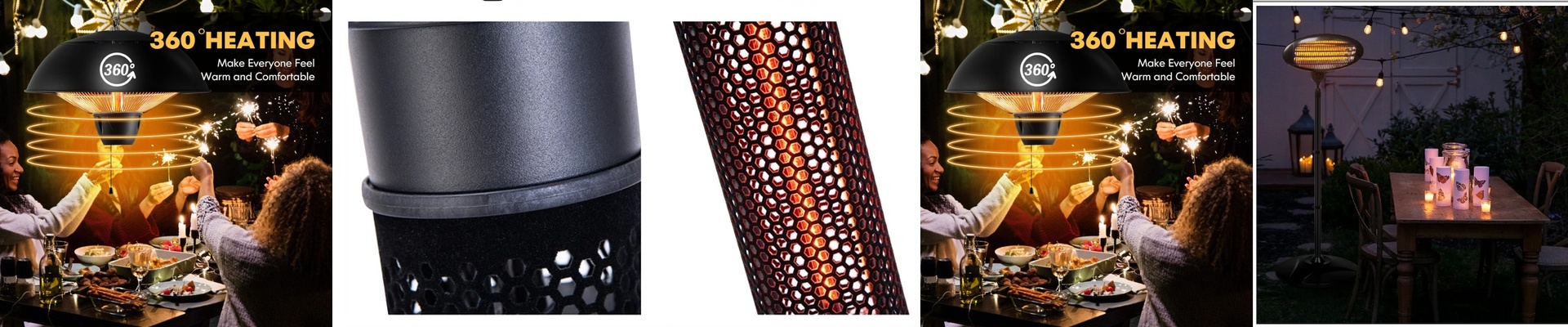
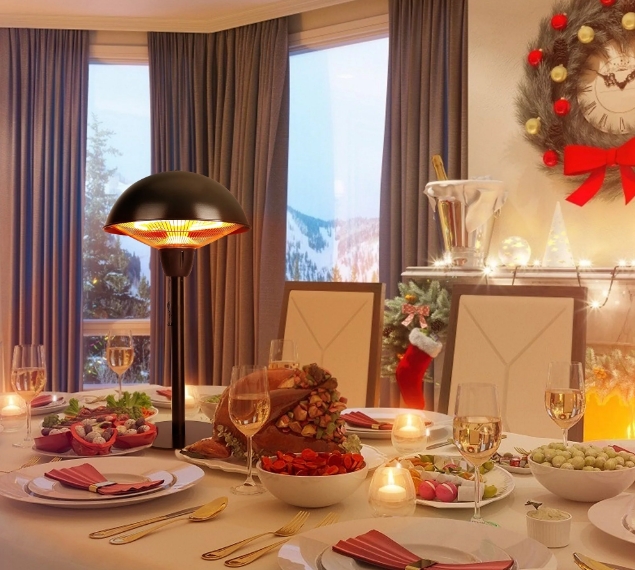
Nobody wants to pay for a patio that sits empty half the year. It’s a waste of space and a waste of money. The problem is simple: guests won’t sit in the cold, and standard heaters usually just fight a losing battle against the wind. That’s why we use shortwave infrared heaters. Instead of trying to warm up the actual air—which just blows away the second a breeze hits—these units beam heat directly onto your guests’ skin and clothes. It feels like sitting in the sun on a crisp autumn day.
Built to survive the elements
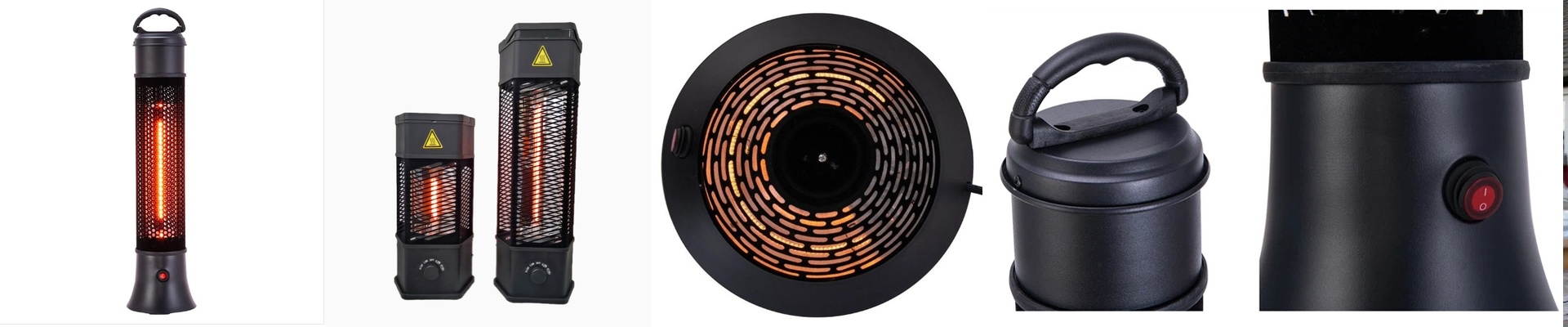
Outdoor gear takes a beating. Rain, dust, and humidity are basically poison for electronics. We stick with IP65-rated units because they’re sealed tight. Whether it’s a sudden downpour or a dusty windstorm, the moisture stays out of the wiring and away from the heating elements. If you go with something cheaper or lower-rated, you’re just waiting for a short circuit to kill your equipment right in the middle of a busy Saturday night.
Why “Shortwave” actually matters
Most heaters take forever to warm up. Not these. Shortwave lamps hit the target instantly. You can flip the switch the moment a party sits down and they’ll feel the warmth immediately. Plus, it saves you a ton on the electric bill. You don’t have to leave the heaters running all night “just in case”—you only turn them on when someone is actually using the table. When people feel cozy right away, they tend to linger, order that extra round of drinks, and enjoy their meal.
A few things to watch out for
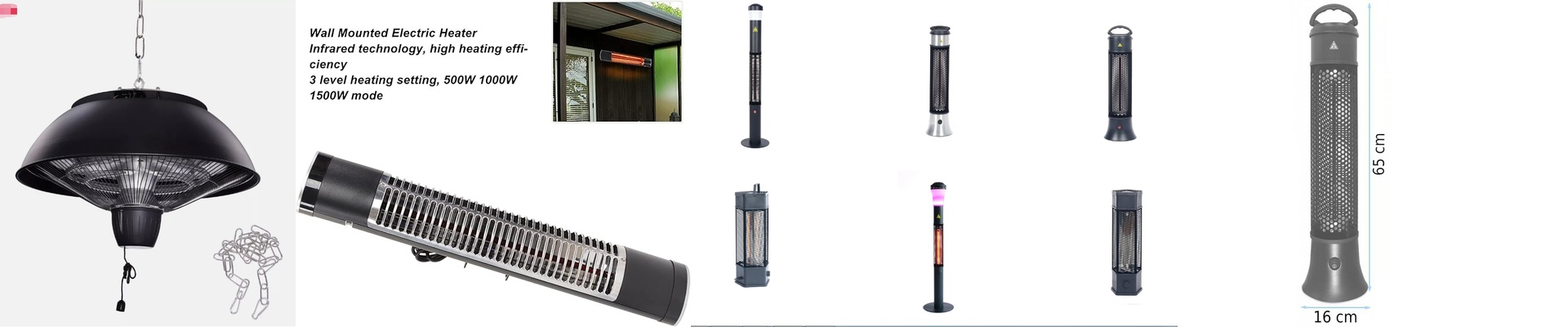
You can’t just plug these into a standard wall outlet. They pull a lot of power, so you’ll need a dedicated circuit. You definitely don’t want your breaker panel tripping during the dinner rush because the heaters overloaded the system. And a quick tip on placement:height is everything. Shortwave heat is intense. If you hang them too low, your guests will have toasted heads and freezing toes. We usually mount them between 2.5 and 3 meters up. It spreads the heat evenly so there aren’t any “cold spots” where guests are shivering while the people next to them are sweating. Get the spacing right, and your patio stays full regardless of what the thermometer says.