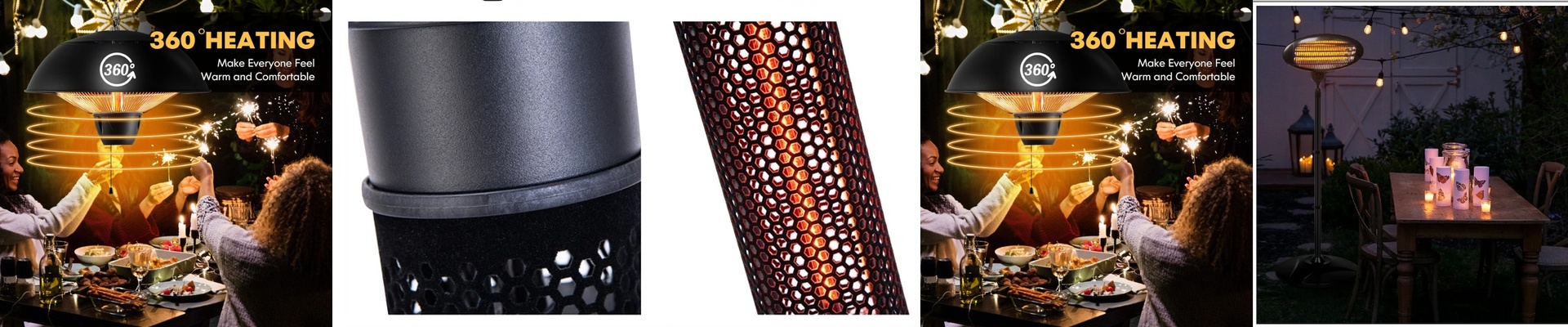
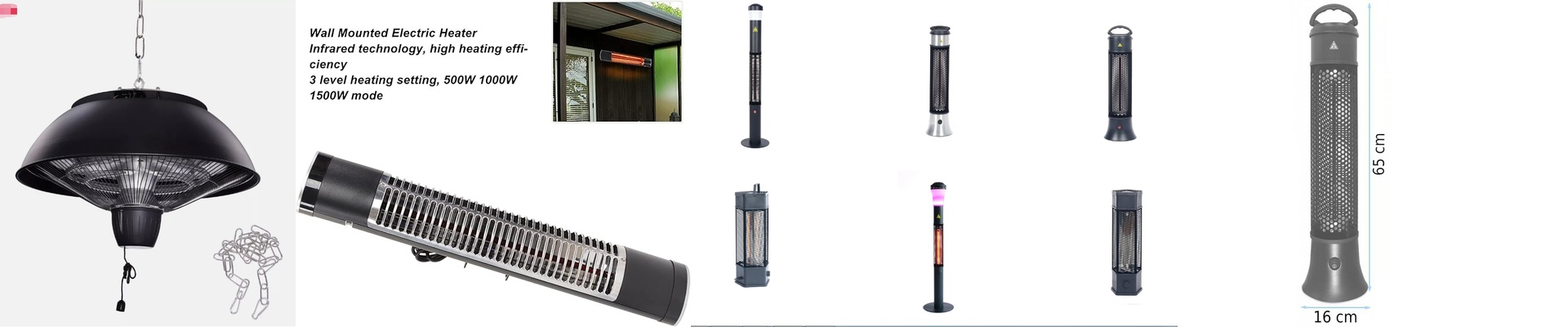
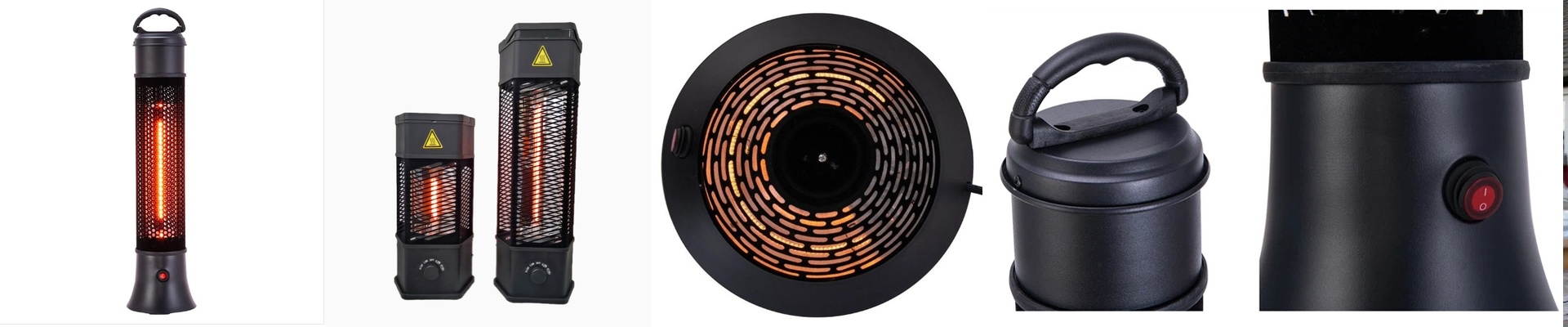
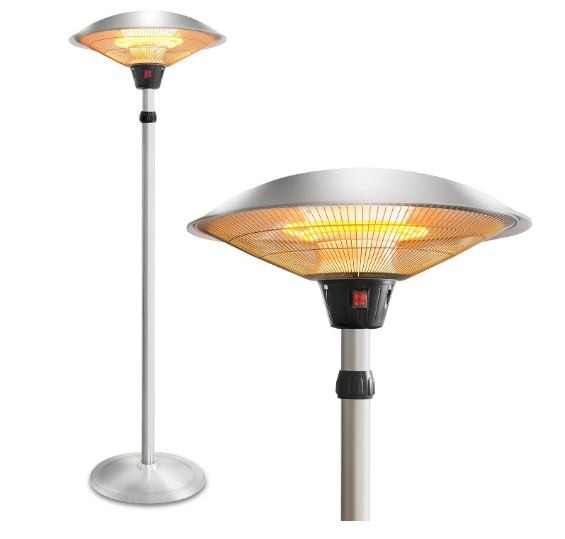
Keeping Your Patio Heaters Alive in the Rain and Fog
If you’ve ever run a nightclub patio, you know it’s a war zone for equipment. You’ve got humidity, random splashes, and that thick condensation that seems to appear out of nowhere. Most infrared lamps just can’t hack it. They die fast because water leaks into the wiring or a layer of fog settles on the quartz tube, killing the heat. We decided to build our units to actually survive this.
Dealing with the Wet Stuff
We don’t just throw a cover on these things. We use gaskets and sealed cable entries to make sure rain and cleaning sprays stay on the outside. It’s simple: water hitting a live terminal equals a short circuit. By sealing the housing tight, we take that risk off the table. Then there’s the fog. It’s a pain. When that freezing night air hits a hot tube, you get condensation. That moisture acts like a shield, scattering the heat before it ever reaches your customers. To fix this, we use specific coatings and smart airflow paths. It keeps the tube clear, so your guests stay warm even if you’re right on the coast in a humid breeze.
Why This Actually Matters
A lot of “outdoor” heaters are really just indoor units with a little rain shield slapped on top. They’re a joke. The moisture gets in, the internal contacts corrode, and the whole thing burns out. We do things differently. We use corrosion-resistant alloys for the reflectors and sealed connectors to keep rust at bay. The result? Your lamps last way longer because the electrical guts aren’t fighting a losing battle against oxidation.
One Small Catch
Here’s the thing: when you seal something this tight to keep water out, heat gets trapped inside. If you’re installing these in a really tight spot, you’ve got to make sure there’s enough air moving around. If the internal control board can’t breathe, it’ll overheat, and that’ll wear the components down faster than any rainstorm would. Just give them a bit of breathing room, and you’re golden.