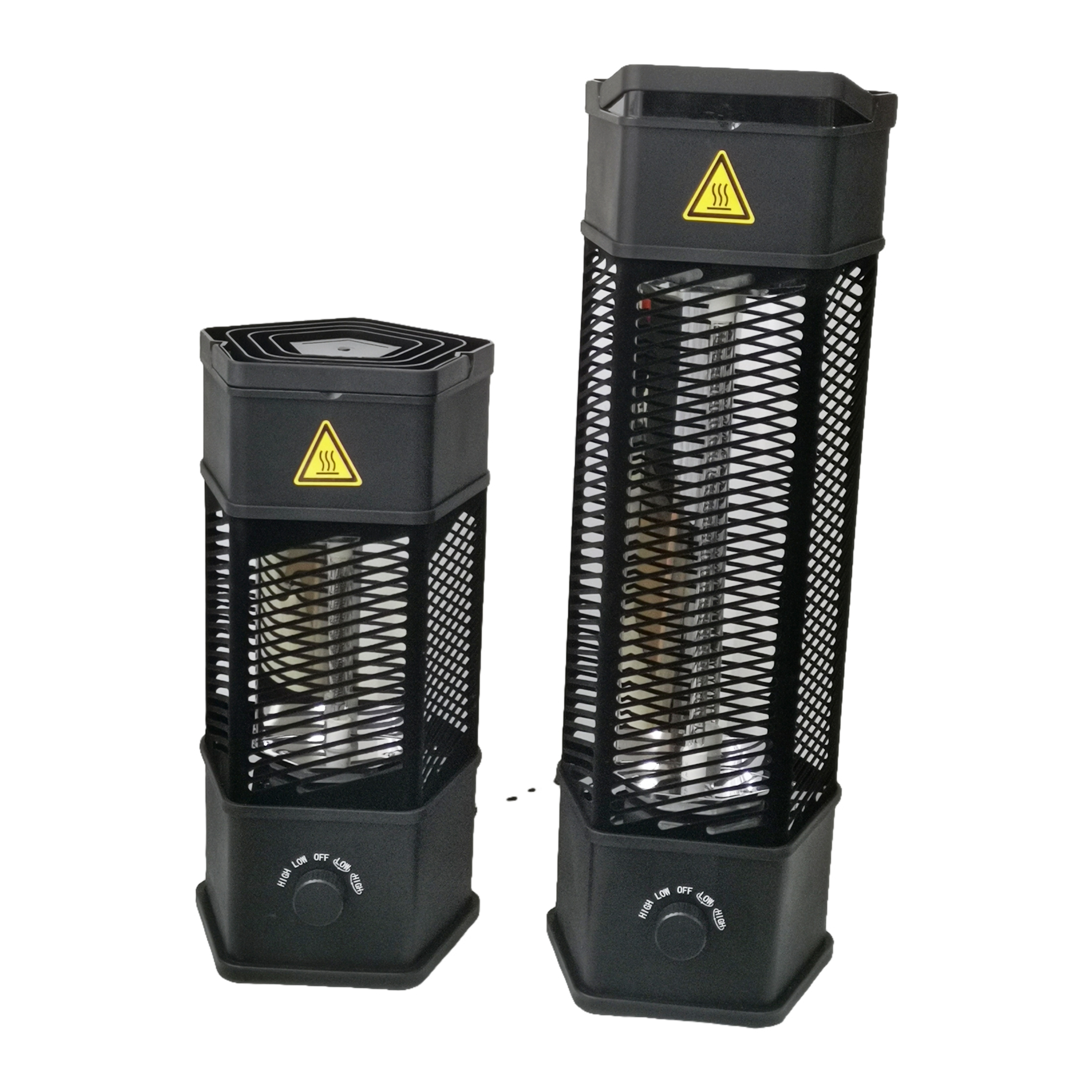
Why “Explosion-Proof” Quartz Actually Matters in Your Bathroom
Let’s be honest: bathrooms are a nightmare for electronics. You’ve got steam everywhere, wild temperature swings, and water dripping on everything. It’s the kind of environment where things tend to break. When we’re picking out infrared lamps for things like mirror defoggers or space heaters, the material we choose for the tube is the difference between a product that lasts and one that becomes a dangerous liability.
The deal with “Explosion-Proof” glass
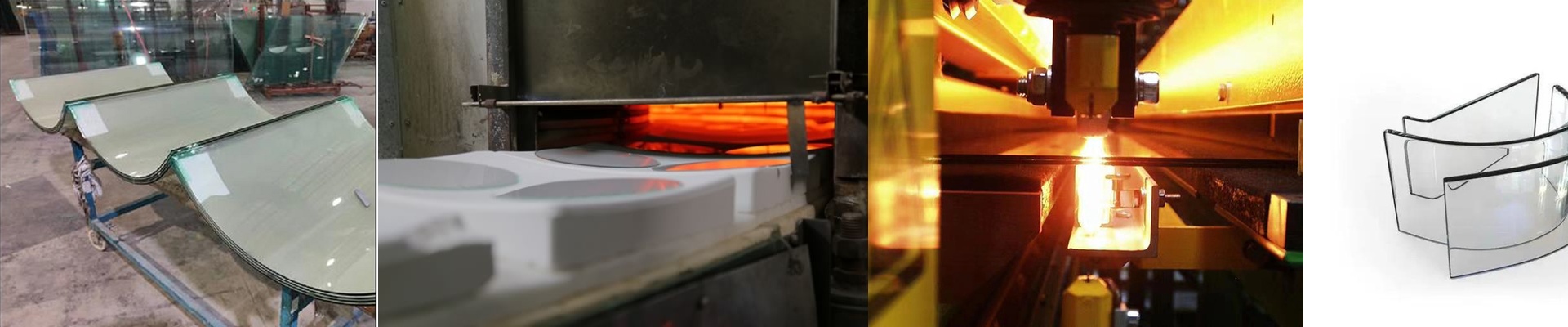
Here is the problem with standard quartz: it hates cold water. If a stray droplet hits a scorching hot tube, the glass goes through a “thermal shock.” In plain English? It shatters. That’s why we use explosion-proof quartz. We usually add a special coating or a double-wall setup. It allows the glass to expand and shrink rapidly without snapping. And if the inner filament does happen to pop, that outer layer keeps the glass shards from flying into someone’s shower. It’s a safety net you don’t want to be without.
Getting the heat where it belongs
Most mirror heaters use low-wattage, short-wave infrared. The goal is simple: get the glass warm enough to evaporate the fog instantly. You need a lot of heat in a tiny space, and you need it now. We design these lamps to hit their operating temperature in seconds. By using high-purity quartz, we make sure the energy actually hits the mirror instead of just heating up the plastic housing around it. It’s all about efficiency.
A few things to watch during install
Wiring these isn’t rocket science, but you have to be precise. We use tight, secure connectors because if moisture creeps in, you’re looking at a short circuit. But here is the real trick: watch your wattage. If you cram too much power into a small mirror, you’ll cook the glass. You might actually peel the silvering off the back or crack the mirror itself. You’ve got to find that sweet spot where the mirror stays clear but the substrate doesn’t overheat. Between the constant steam and the harsh chemical cleaners people use, these lamps take a beating. Calling a lamp “explosion-proof” isn’t some fancy marketing add-on. It’s just the bare minimum for anything you’re putting in a wet zone.