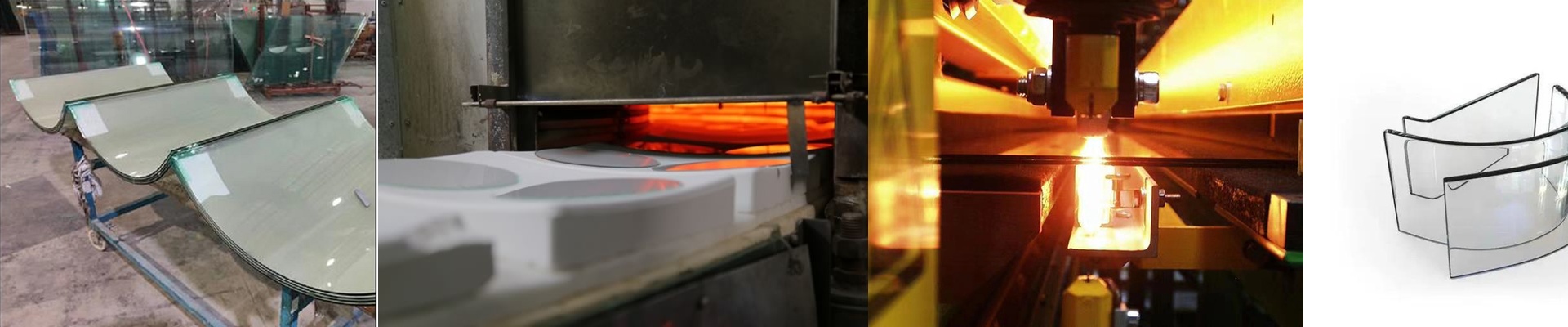

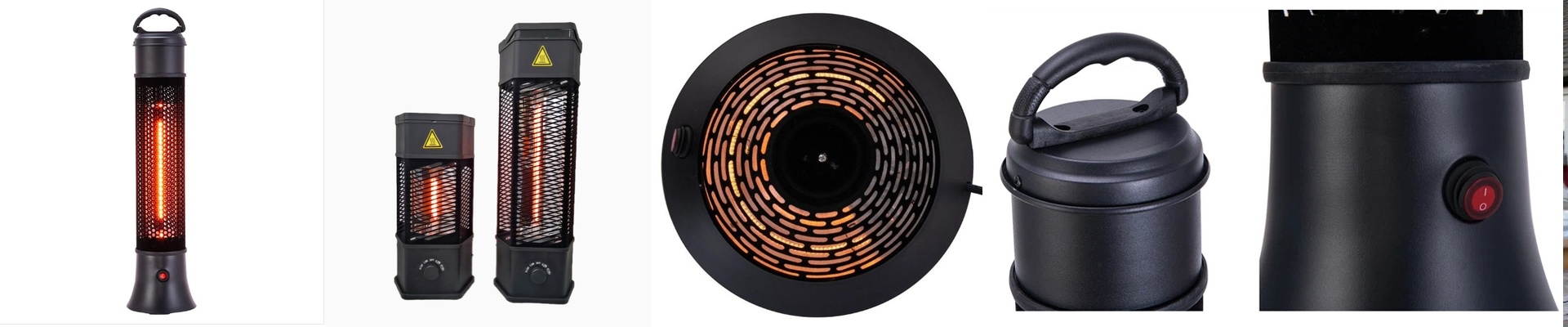
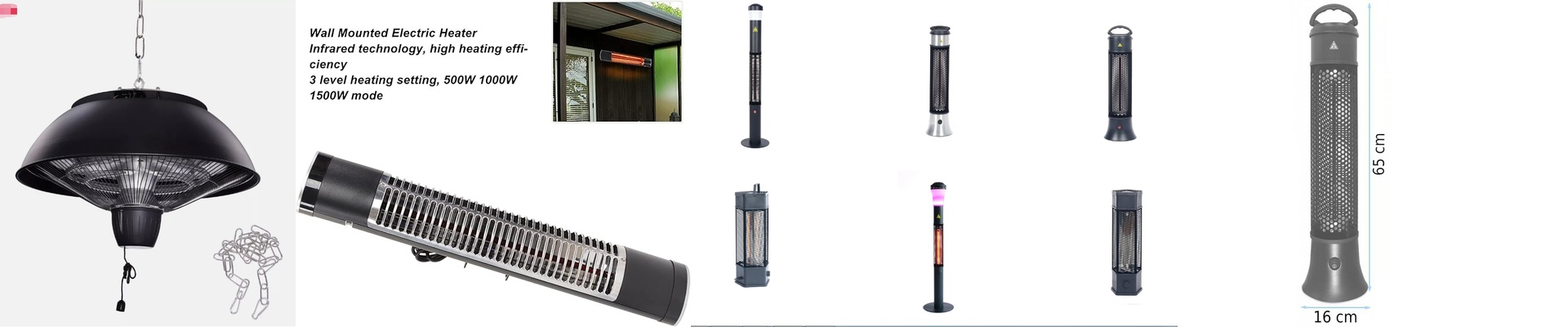
Cutting ultra-thick glass is basically a wrestling match. If you try to score it cold, you’re putting a massive amount of pressure on your cutting wheel. The result? Constant chipping and a mountain of dead tools. It’s frustrating and expensive. That’s why we use high-penetration infrared (IR) lamps. We change the state of the glass before the blade even makes contact. Here’s how it actually works. Most heaters just warm up the surface, which doesn’t do much for thick slabs. But shortwave IR is different. It sinks deep into the glass instead of just bouncing off. It targets the molecular bonds right where you’re about to cut, easing the internal tension and softening things up. It creates a “thermal path.” Suddenly, the cutting wheel isn’t fighting the glass—it’s gliding through it. And your tools will thank you. When the glass is pre-heated, you aren’t forcing a fracture through a cold, brittle block. The score is cleaner. There’s less resistance. We’ve seen tungsten carbide wheels last 30% to 50% longer just by getting the IR heating right. That’s a lot less time spent swapping out parts. But you can’t just crank the heat to max. If you overdo it, you’ll hit a point of thermal shock. That’s when the glass decides to crack in directions you definitely didn’t plan for. It’s all about the balance between how far away the lamp is and how long it stays put. If your conveyor or slide moves too slowly, you’ll warp the glass. To keep things from going sideways, we recommend a PID controller. It keeps the temperature in that sweet spot so you get the benefit without the risk.