
Stop the Chipping: Why a Little Heat Goes a Long Way
Ever notice how glass just loves to flake or chip right at the edge the second you cut it? It’s frustrating. That happens because cutting glass at room temperature creates a ton of internal tension. When the blade hits, all that stress has nowhere to go, so it just snaps in random directions. That’s how you end up with those annoying corner breakouts. The trick to fixing this is infrared (IR) preheating.
Making the Glass “Give”
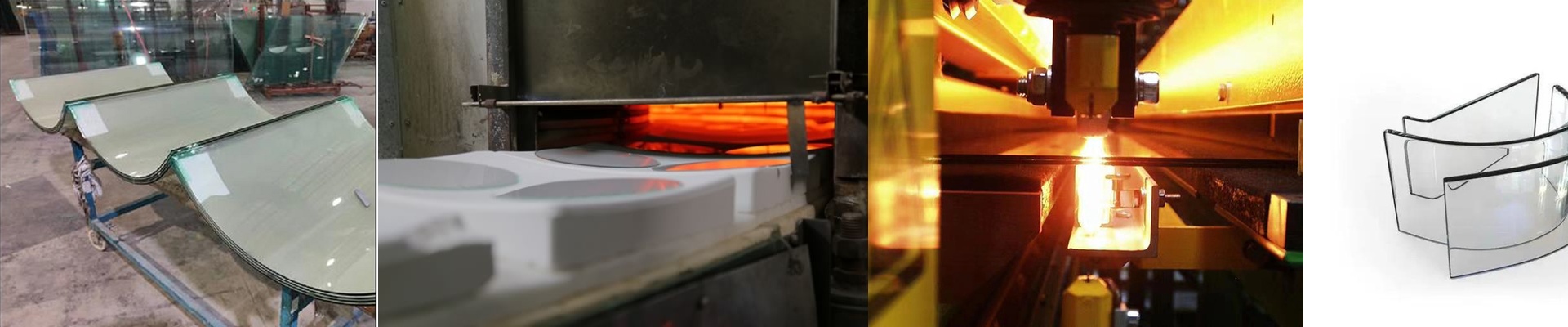
Here is how it works: we use IR lamps to warm up the glass right before the blade touches it. Think of it as softening the blow. By bumping up the temperature, the glass becomes a bit less brittle. Instead of shattering sporadically, the crack follows a nice, clean, linear path. It’s the difference between snapping a frozen twig and bending a fresh one. The glass actually “gives” a little, which means way fewer jagged edges and a lot less scrap in the bin.
Setting Up Your Heating Array
We usually go with short-wave IR heaters. Why? Because they hit the glass fast. You don’t have time to wait around for the material to warm up. But you have to get the timing right. If your line is screaming along too fast, the glass won’t get warm enough to matter. Too slow? You’re risking thermal shock. And a heads-up: these lamps put out a lot of energy. While that’s great for the glass, it can turn your cutting head into an oven. Make sure your cooling system can handle the extra heat, otherwise, you might find your machine rails warping—and that’s a headache you definitely don’t want.
The Reality Check
Now, let’s be real. Preheating isn’t some magic wand that fixes everything. If your blades are dull, you’re still going to have problems. You still need sharp tooling. The IR system just gives you a much wider margin for error. Plus, there are a few trade-offs. Your power bill will tick up a bit, and you’ll need to be precise about the distance between the lamp and the glass. If they’re too close, you’ll get hotspots. But honestly? A little extra electricity is a small price to pay for edges that actually look professional.