Getting Preheating Right for Wide-Format Low-E Glass
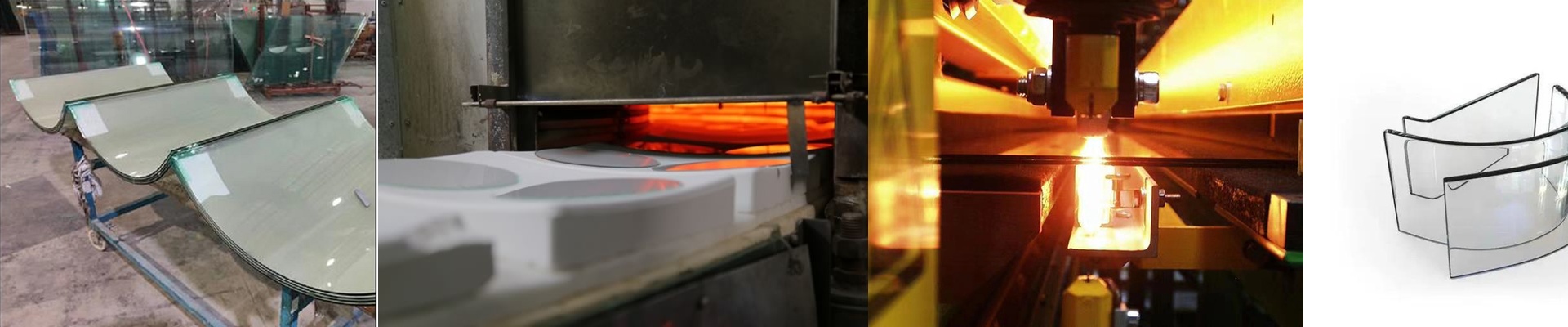
If you’re working with Low-E glass that’s wider than 3 meters, you know the struggle. You need the heat to be perfectly even across the whole sheet. But here’s the problem: standard, off-the-shelf lamps just can’t handle that kind of scale. They leave you with cold spots and weird temperature swings that mess up the whole batch. That’s why we build custom, ultra-long infrared units. We basically get rid of the gaps so the heat stays consistent from edge to edge.
The Headache of 3m+ Units
When you scale a heating element up to 3 meters or more, physics starts fighting you. You run into voltage drops, and the materials start to expand and shift. To fix this, we obsess over the wattage-per-centimeter. We make sure the center of your glass is hitting the exact same temperature as the edges. No guesswork. And because a lamp that long wants to bow or even snap under its own weight, we use reinforced support brackets to keep everything straight. One tip: keep your power supply balanced. If the load is uneven across those long runs, you’ll burn through your filaments way faster than you should.
The Stuff We Use
We stick with high-purity quartz and specialized halogen filaments. Why? Because we need the light spectrum to be stable. With Low-E glass, you can’t just throw heat at it—the coating will just bounce it right back. We tune the wavelength so the glass actually absorbs the heat. As for the wiring, we use industrial-grade connectors. These aren’t the kind of plugs you find at a hardware store. They’re built to survive the brutal heat of a kiln without flickering or failing.
The Real-World Trade-offs
Using one long unit instead of a bunch of small modules is great for your heat map. It’s cleaner. Simpler. But let’s be honest: it makes maintenance a bit nerve-wracking. A 3-meter quartz tube is fragile. One clumsy move during a lamp swap and you’ve got a shattered tube on your hands. To stop that from happening, we suggest a slide-out mounting rack. It makes replacements a lot less stressful. Also, make sure your cooling system is beefy enough to handle the heat where the wiring terminates at the ends. It gets hot—really hot—right there.