Getting Low-E Glass Cutting Right (When You’re Working with Wide Formats)
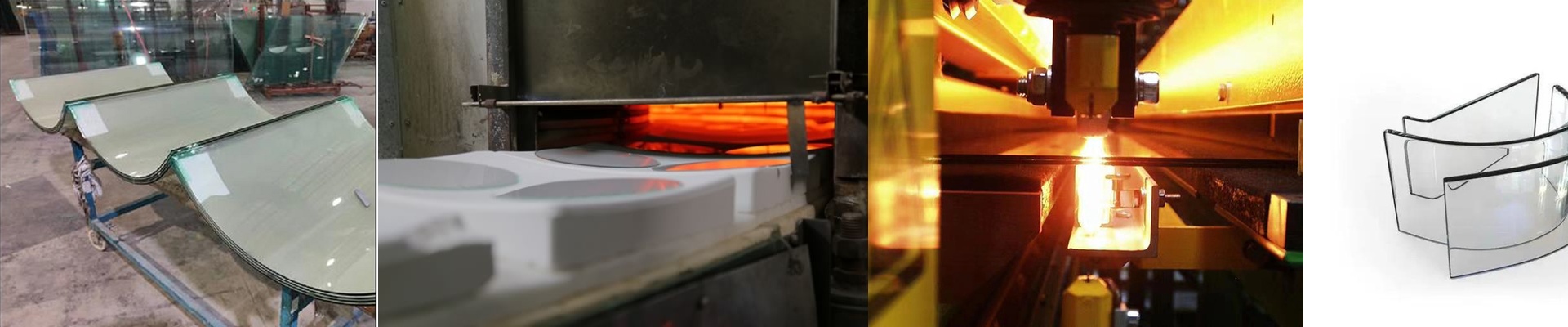
If you’re cutting Low-E glass, you already know the headache of thermal management. It’s a balancing act. But once your production line hits that 3-meter mark, standard infrared lamps just stop working. They can’t keep up. That’s where we come in. We build custom infrared heating tunnels specifically for these wide formats. The goal is simple: get the glass warm enough to break cleanly without accidentally cracking it.
The Struggle with 3+ Meters
Here’s the thing about scaling up to 3 meters or more: physics starts to fight you. You get voltage drops. You get “cold spots.” We don’t just slap a bunch of lamps in a row and hope for the best. That’s how you end up with edges that are overheating while the center of the glass stays cold. If that happens, the internal stress on the Low-E coating is a nightmare. Instead, we obsess over the wattage and voltage. We balance the load so the heat is flat and consistent across the entire width. No surprises.
The Nitty-Gritty on the Build
We use high-purity quartz tubes paired with specific reflector coatings. Why? Because we want that IR energy pushing straight down into the glass, not leaking out into the ceiling of your tunnel. Depending on how fast your line moves, we can tweak the wavelength. It’s all about making sure the heat actually penetrates the glass rather than just sitting on the surface. And we don’t cut corners on the electrics. We use industrial-grade connectors because the last thing you need is a lamp burning out right at the contact point. Just a heads-up: if you’re running a high-wattage setup, make sure your electrical panels can handle the peak current. We also spec out the cooling fans for the housings carefully. If those fans aren’t right, the sockets will melt. Plain and simple.
Making it Work in Your Shop
These units are built to either slide right into your existing line or start a brand new one. But there is a trade-off. When you’re pushing this much power, the system gets sensitive to power flickers. To keep your filaments from popping prematurely, we really recommend using dedicated stabilizers. We build these things to take a beating in a loud, gritty factory environment. But remember—the quartz is still quartz. It’s fragile. Just make sure your operators are gentle when they’re swapping out lamps.