Why Gold-Coated IR Emitters are the Secret to Better Glass Annealing
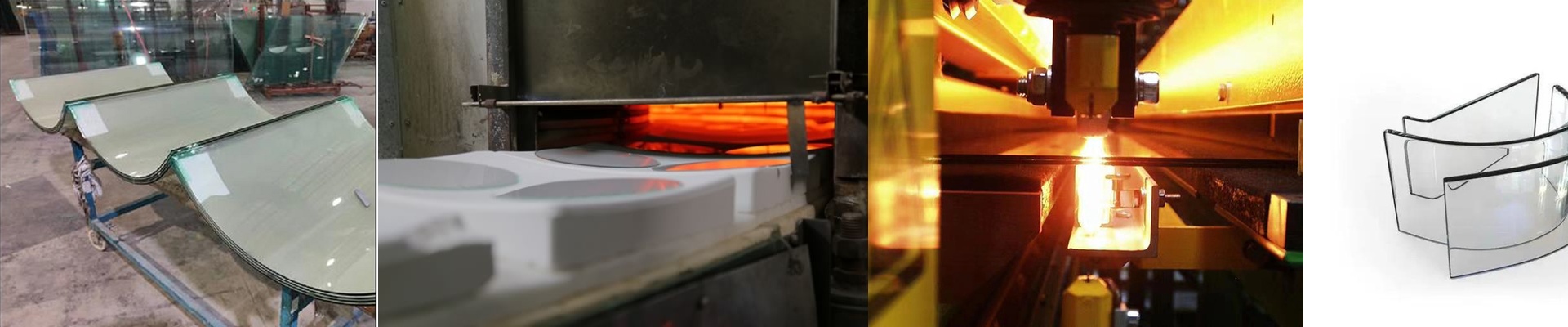
If you’ve ever worked with glass, you know the stress. Not just the mental kind, but the internal tension that makes a piece shatter if the temperature isn’t exactly right. When you’re moving from small batches to a full-on continuous production line, you can’t afford to guess. You need heat that reacts the second you tell it to. That’s where gold-coated shortwave infrared (SWIR) emitters come in. The magic of the gold coating Think of a standard quartz lamp like a lightbulb that throws heat everywhere. It’s wasteful. By adding a thin layer of gold to the back of the tube, we basically turn it into a mirror. Instead of the heat drifting off into the air, it gets pushed forward, right onto the glass. You’re getting almost double the heat density. For you, that means two things: you can either make your oven smaller to save floor space, or you can crank up the line speed and get more product out the door. Zero lag, no mistakes Here is the best part. Unlike those old-school resistive heaters or gas burners that take forever to warm up or cool down, SWIR lamps have almost no thermal inertia. They’re instant. You can flip the power on and off in milliseconds. This is a lifesaver when your glass thickness changes or the conveyor belt hiccups. If your controller sees a temperature spike, the lamp just… stops. No overheating, no ruined batches, and no “overshoot” while you wait for the element to cool. A quick word of caution Now, there is a trade-off. Pushing that much energy into a small space creates a lot of heat in the lamp housings. You can’t skimp on the cooling. If your fans and heat sinks aren’t up to the task, the ends of the lamps will get too hot, you’ll fry the electrodes, and your tubes won’t last nearly as long. It’s a simple fix, but it’s one you can’t ignore. Setting it up for success If you’re running a continuous line, don’t just throw one big heater in there. We usually suggest a zoned array. This lets you play with the temperature gradient. You hit the glass hard and fast to get it up to temp, then gently taper it off for a smooth cool-down. Plus, because the gold coating is so efficient, you’ll notice your power bill isn’t nearly as scary as it would be with standard lamps.